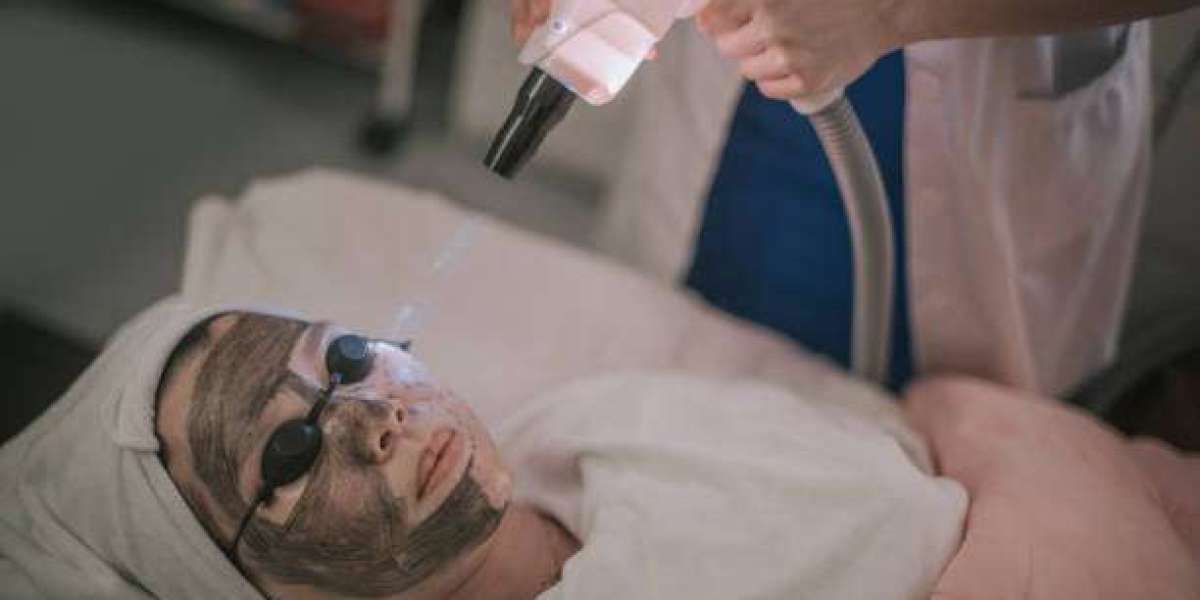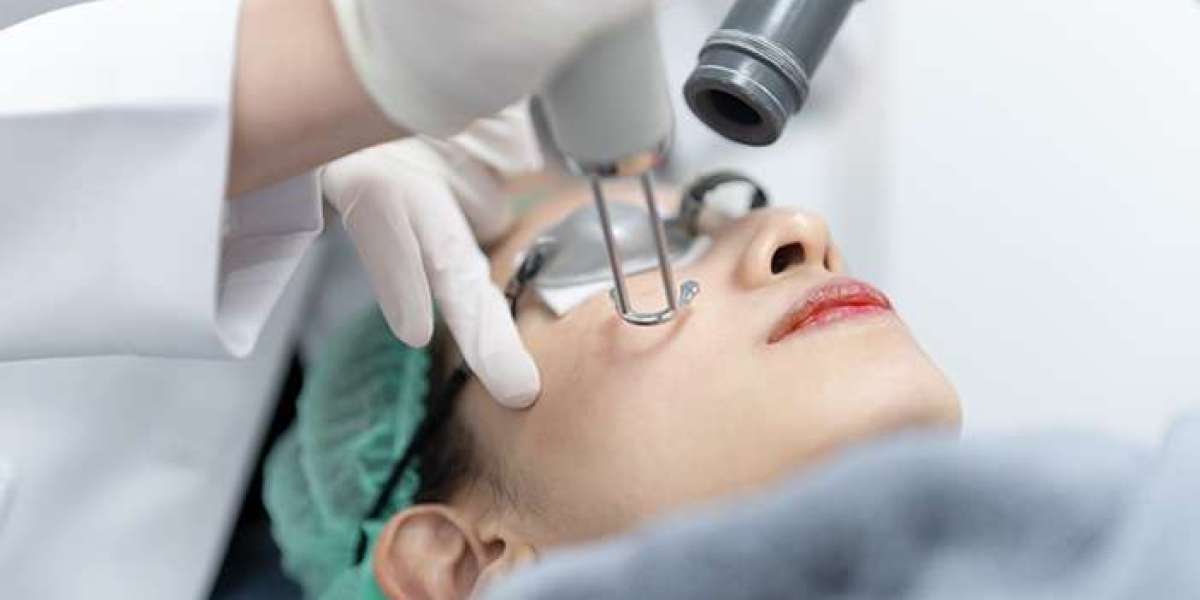

Pakistani skin tones commonly range from light to medium and deeper brown shades, which generally fall within Fitzpatrick skin types III to V. Because these skin types contain more melanin than very fair skin, choosing the right laser technology and treatment settings is particularly important. PICO Laser Treatment In Islamabad has gained attention as an option for addressing pigmentation, acne scars, uneven skin tone, and certain signs of skin ageing. Modern picosecond lasers use extremely short pulses to target pigment while limiting excessive heat exposure to the surrounding skin. Recent research suggests that picosecond lasers can be used safely in skin of color when appropriate technology, settings, and patient selection are used.
What Is PICO Laser Treatment?
PICO laser treatment is a non-invasive cosmetic procedure that uses picosecond pulses of laser energy. Unlike some traditional laser technologies that rely heavily on heat, picosecond technology delivers energy in extremely short bursts. This can create a photoacoustic effect that breaks pigment into smaller particles while reducing unnecessary thermal damage.
Depending on the device and wavelength selected, PICO lasers may be used for concerns such as pigmentation, acne scars, uneven complexion, sun spots, and certain types of unwanted pigmentation. The appropriate wavelength and settings depend on the individual's skin type and the condition being treated.
Why Pakistani Skin Requires Special Consideration
Melanin-rich skin can be more susceptible to post-inflammatory hyperpigmentation (PIH), a condition in which the skin becomes darker following inflammation or injury. This is one reason laser treatment for Pakistani patients should not be approached in exactly the same way as treatment for very fair skin.
The good news is that recent evidence is encouraging. A 2026 systematic review of picosecond laser treatment in skin of color found improvement across several dermatological conditions in Fitzpatrick skin types IV to VI, while reported adverse effects were generally mild and temporary.
However, “PICO laser” is not one identical treatment. Different devices can use different wavelengths, pulse configurations, and treatment protocols. Therefore, suitability should be assessed individually rather than assuming that every PICO laser is appropriate for every Pakistani skin tone.
Can PICO Laser Be Safe for Darker Pakistani Skin?
Yes, PICO laser treatment can be suitable for many people with darker Pakistani skin, but the treatment must be carefully customized.
Research involving skin of color has reported promising safety results, particularly because picosecond pulses can minimize unwanted heat. Longer wavelengths, including 1064 nm in suitable devices, have also been considered useful options for darker skin tones because of their interaction with melanin and reduced risk of unwanted pigmentary changes when appropriately selected.
A 2026 clinical study involving patients with Fitzpatrick skin types III–V also reported significant pigmentation improvement following 755-nm picosecond laser treatment, with minimal post-inflammatory hyperpigmentation. However, the study was small, so larger studies are still needed.
What Skin Concerns Can PICO Laser Address?
For suitable candidates, PICO laser treatment may be considered for several cosmetic skin concerns, including:
- Uneven skin tone
- Certain forms of pigmentation
- Sun-induced dark spots
- Acne-related pigmentation
- Some acne scars
- Skin dullness
- Selected signs of photoaging
The results can vary depending on the underlying condition. For example, melasma can be particularly challenging because it is a chronic and recurrent pigmentary condition. A 2026 meta-analysis found that 755-nm picosecond alexandrite laser treatment may help some patients with melasma, but topical combination therapy performed better in the trials reviewed.
This means PICO laser should not automatically be considered the first or best treatment for every pigmentation problem.
Who May Be a Suitable Candidate?
A person may be considered for PICO laser treatment if they have a specific pigmentation or skin-texture concern that can reasonably respond to the technology.
Before treatment, a qualified skin professional should assess:
- Natural skin tone and Fitzpatrick skin type
- The exact pigmentation or skin condition
- Previous reactions to laser treatments
- Current skincare and medications
- Recent sun exposure or tanning
- Risk of post-inflammatory hyperpigmentation
- The appropriate laser wavelength and energy level
A test spot may also be considered for patients with a higher risk of pigmentation changes.
How to Reduce the Risk of Pigmentation
Proper preparation and aftercare are especially important for Pakistani skin. Patients should follow the treatment provider's instructions regarding sun protection and skincare before and after treatment.
Daily broad-spectrum sunscreen is particularly important because ultraviolet exposure can worsen pigmentation and interfere with results. Patients should also avoid picking, scratching, or unnecessarily irritating treated skin during recovery.
Choosing an experienced practitioner familiar with skin of color is equally important. Even a suitable laser can produce unwanted pigmentation if excessive energy or an unsuitable wavelength is used.
What Results Can You Expect?
Results depend on the condition being treated, the laser technology used, and individual skin characteristics. Some people may notice improvement after an initial session, while others require multiple treatments.
PICO laser is not designed to permanently prevent pigmentation from returning. Conditions such as melasma can recur, particularly with sun exposure and hormonal influences. A long-term skincare and sun-protection routine may therefore be necessary.
Frequently Asked Questions
Is PICO laser safe for Pakistani skin?
PICO laser can be suitable for many Pakistani skin types, including darker skin, when the device, wavelength, and settings are appropriately selected. Individual assessment is important because the risk of pigmentation changes varies between patients.
Can PICO laser cause hyperpigmentation?
Yes. Although picosecond technology may reduce unwanted thermal injury, hyperpigmentation or hypopigmentation can still occur. The risk may increase when inappropriate settings are used or when the skin is prone to post-inflammatory pigmentation.
How many PICO laser sessions are needed?
The number of sessions varies according to the skin concern and its severity. Some concerns may improve with a few sessions, while more persistent pigmentation or scarring may require a longer treatment plan.
Is PICO laser suitable for melasma?
It may be considered in selected cases, but melasma requires careful management because it can recur. Research suggests PICO laser may provide improvement, although other treatments can be more effective for some patients.
What should I do after PICO laser treatment?
Follow the provider's aftercare instructions, protect your skin from sunlight, use recommended skincare products, and avoid unnecessary irritation. Consistent sun protection is particularly important for maintaining pigmentation-treatment results.
Final Thoughts
PICO laser technology can be a suitable option for many Pakistani patients, including those with medium to darker skin tones. Its short pulses and potential for reduced thermal damage make it an interesting option for treating selected pigmentation and skin concerns in skin of color. Nevertheless, the treatment is not automatically suitable for everyone. Correct diagnosis, appropriate wavelength selection, conservative settings, professional assessment, and proper aftercare all contribute to safer outcomes. Anyone considering PICO Laser Treatment In Islamabad should have their skin type and specific concern evaluated before proceeding so that the treatment approach can be customized to their needs.