
Agricultural Water Pump selection requires more than looking at the size of a field or the power rating of a motor. Different crops, irrigation methods, water sources, and field layouts can create very different operating requirements. A small vegetable plot may need a different flow pattern from a large orchard, while sprinkler systems and drip systems also place different demands on pressure and delivery. Agricultural extension guidance recommends considering the water source, required flow rate, suction conditions, and total dynamic head before selecting equipment.
The first step is to understand how water will be used across the farm. Some fields may operate for several hours at a time, while others may be divided into zones that run at different periods. The number of sprinklers, emitters, irrigation lines, or other delivery points can affect the required flow. Knowing the expected operating schedule gives buyers a more useful starting point than simply estimating the size of the farm.
Field size is important, but it does not tell the complete story. Two farms with similar acreage may have different elevation changes, pipe lengths, water sources, and irrigation layouts. A field located close to a pond may have different requirements from one supplied by a deep well. The distance between the water source and the irrigation area can also affect pressure and system resistance.
Flow rate should be considered together with pressure. Irrigation equipment needs enough water volume for the selected application method, while sufficient pressure may be needed for sprinklers, valves, filters, emitters, or other components. Extension resources note that the required delivery pressure can include elevation differences, friction losses in pipes and fittings, and the pressure needed at the irrigation zone itself.
Elevation is another detail that should not be overlooked. Water moving from a lower source to a higher field requires additional pressure. Even a relatively simple irrigation project can become more demanding when the field is located significantly above the water source. Buyers should provide elevation information to the manufacturer so the equipment can be evaluated against the actual installation conditions.
Pipe selection also affects the overall system. Pipe diameter, length, fittings, valves, filters, and other components contribute to resistance. Smaller or longer piping can create greater friction losses under certain operating conditions. The University of Florida irrigation guidance recommends considering pipe size alongside flow requirements and pressure when planning an irrigation system.
Water source conditions deserve equal attention. Farms may obtain water from wells, ponds, rivers, reservoirs, tanks, or other sources. Each source can have different characteristics. Surface water may contain sediment or suspended particles, while well water can involve suction or depth considerations. NDSU Extension recommends taking the source of water and suction conditions into account before selecting irrigation equipment.
Water quality can also influence material and component choices. If the source contains sand, sediment, or other abrasive particles, suitable filtration and intake arrangements may be necessary. Agricultural pumping guidance notes that abrasive material can contribute to wear within pumping equipment, particularly when intake conditions are not properly managed.
Energy use should also be considered during the purchasing process. The operating conditions of a pumping system can affect its energy requirements, and changes in flow, pressure, or lifting conditions can influence performance. A suitable configuration should therefore be evaluated according to its expected operating range rather than a single peak requirement.
For farms with different irrigation zones, buyers may also consider how equipment will respond when only part of the system is operating. One zone may require less water than another, and seasonal changes may alter the number of active irrigation points. A system designed around actual operating conditions can make day to day management easier.
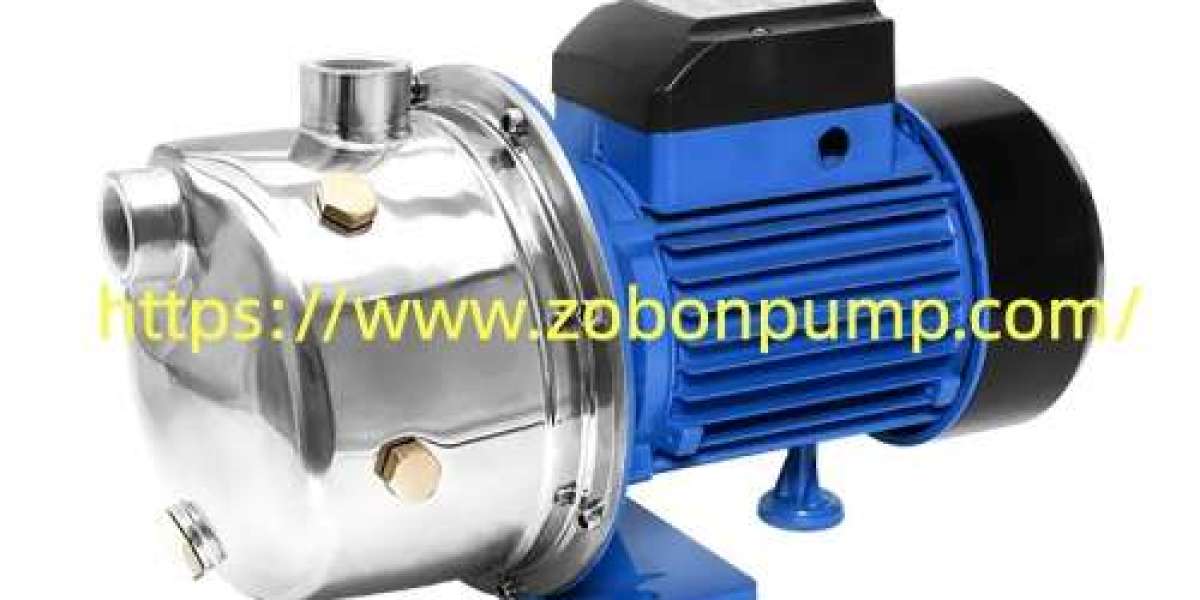
Electric Clean Water Pump applications may be appropriate for certain farms where the water source and liquid condition match the equipment design. Buyers should still confirm flow, pressure, installation environment, water quality, power supply, and expected operating hours before selecting a specific configuration.
This is where communication with the manufacturer becomes useful. Providing detailed information about the water source, field elevation, pipe dimensions, irrigation method, expected flow, required pressure, and operating schedule allows the manufacturer to assess the application more accurately. Pump performance curves can then be reviewed against the expected operating point. Agricultural extension resources also recommend using pump characteristic information when matching equipment with specific flow and pressure requirements.
Zobonpump provides pumping equipment for different water handling applications and can work with buyers according to their specific operating conditions. Instead of selecting equipment from motor power alone, buyers can compare the complete application and consider the relationship between flow, pressure, water source, piping, and irrigation layout.
A thoughtful selection process can make purchasing decisions clearer and help avoid mismatches between equipment and field conditions. Farmers and agricultural equipment buyers can review available pumping solutions and product information at https://www.zobonpump.com/ then provide their application details when discussing a suitable configuration with the manufacturer.