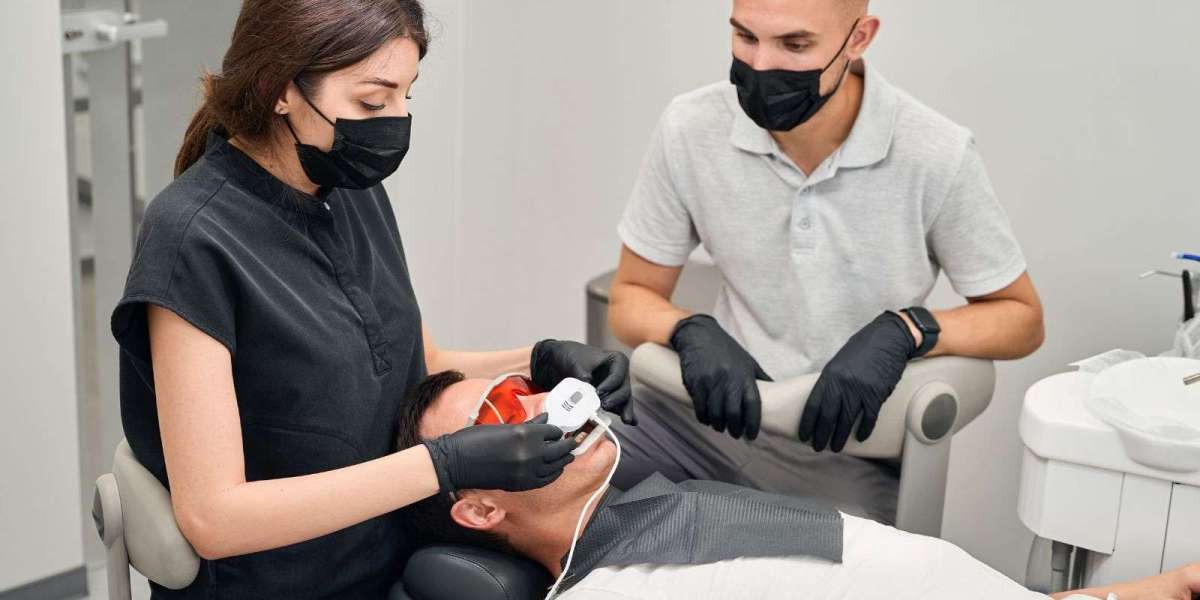

Choosing the right cosmetic treatment is important when you want to brighten your smile safely and effectively. Teeth Whitening can reduce certain types of discoloration and improve the appearance of natural teeth without changing their shape.
However, whitening treatments are not identical. In-office whitening, dentist-supervised home systems, and other products can differ in application, treatment time, convenience, and cost.
Before making a decision, an examination at a professional dental clinic can help determine the cause of your discoloration and identify the most suitable option for your teeth.
Why Does the Right Whitening Treatment Matter?
The effectiveness of whitening depends on the type of stain, natural tooth color, oral health, and treatment method. Choosing a treatment without understanding these factors may lead to disappointing results or unnecessary sensitivity.
A professional assessment allows your dentist to create a treatment approach based on your individual needs rather than using a generic solution.
Identify the Cause of Tooth Discoloration
Tooth discoloration can develop from coffee, tea, soft drinks, tobacco, and strongly colored foods. These factors commonly contribute to surface stains.
Aging can also affect tooth color as enamel becomes thinner and the underlying dentin becomes more visible.
Deeper discoloration caused by medication, trauma, or internal tooth changes may respond differently to conventional whitening.
Consider In-Office Whitening
In-office whitening is performed under professional supervision. The dentist applies the whitening product and controls the procedure according to your treatment plan.
This option can be suitable for patients who prefer a clinical setting and professional monitoring.
The treatment time and results vary depending on the whitening system and individual tooth shade.
Consider Dentist-Supervised Home Whitening
Take-home whitening provides a flexible alternative. Your dentist may provide custom trays and professional whitening products that are used according to specific instructions.
This method allows treatment to take place at home and can provide gradual improvement.
It may be particularly convenient for people with busy schedules who prefer greater control over when they complete their treatment.
Think About Tooth Sensitivity
Sensitivity is an important consideration when choosing a whitening method. Some patients experience temporary sensitivity during or after treatment.
If your teeth are already sensitive, tell your dentist before whitening. Your dental professional can assess the cause of sensitivity and recommend a suitable treatment approach.
Consider Your Desired Results
Think about how much you want to brighten your smile. Some people want a subtle improvement, while others may want a more noticeable change.
A dentist can assess your current shade and explain what level of whitening is realistic. Natural-looking results are generally based on your individual tooth color and overall smile.
Check Your Dental Health First
Whitening is a cosmetic procedure and should not replace necessary dental care. Cavities, gum disease, damaged teeth, or significant enamel concerns may need treatment first.
A dental examination can identify these issues and help determine whether whitening should be delayed until your oral health improves.
Consider Existing Dental Restorations
Crowns, veneers, bridges, and many fillings do not whiten in the same way as natural teeth. If you have visible restorations, whitening may create a difference between the shade of your natural teeth and dental work.
Discuss existing restorations with your dentist before choosing treatment.
Compare Cost and Convenience
Treatment costs vary according to the whitening system, professional fees, number of appointments, and products involved.
In-office whitening may be more convenient for patients who prefer professional treatment, while take-home whitening may provide more flexibility.
Instead of choosing solely according to price, consider safety, professional guidance, expected results, and long-term maintenance.
How to Maintain Whitening Results
Whitening results can gradually fade as new stains develop. Coffee, tea, tobacco, and highly pigmented foods can contribute to recurring discoloration.
Regular brushing, interdental cleaning, professional dental visits, and sensible dietary habits can help maintain a brighter smile.
Final Thoughts
Teeth Whitening can improve the appearance of stained natural teeth, but the best treatment depends on your individual dental condition, lifestyle, sensitivity, and cosmetic goals.
A qualified dentist can compare available options and recommend a whitening plan that provides a suitable balance of effectiveness, convenience, safety, and natural-looking results.