
Losing significant weight through diet and exercise can be challenging for people with severe obesity, particularly when excess weight is affecting overall health and daily life. Laparoscopic treatment in Islamabad for weight loss is a minimally invasive approach used for certain bariatric procedures. It involves making small abdominal incisions rather than one large opening, which can support a smoother recovery for suitable patients.
What Is Laparoscopic Weight Loss Surgery?
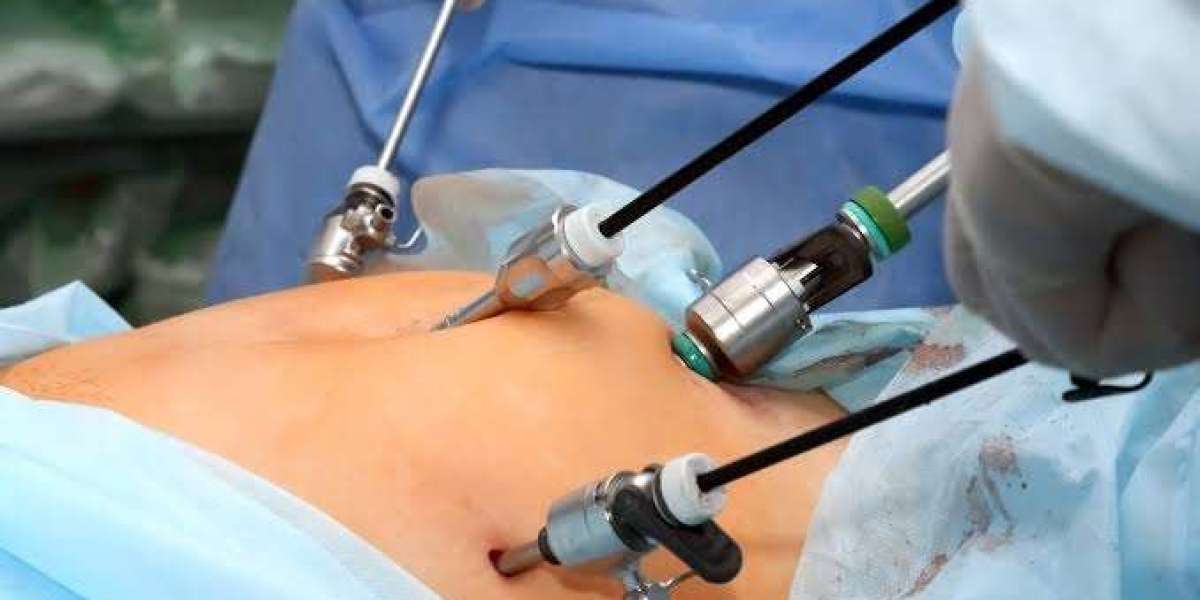
Laparoscopic weight loss surgery is performed using a thin camera called a laparoscope and specialized surgical instruments. The surgeon makes several small incisions in the abdomen and guides the instruments through these openings while viewing the procedure on a monitor.
Unlike traditional open surgery, laparoscopic techniques generally involve smaller incisions. Depending on the patient's condition and the selected procedure, bariatric surgery may reduce stomach capacity, alter digestion, or do both.
Common laparoscopic bariatric procedures include sleeve gastrectomy, gastric bypass, and some other metabolic and weight-loss operations.
How Does Laparoscopic Bariatric Surgery Help With Weight Loss?
The exact mechanism depends on the procedure.
During a laparoscopic sleeve gastrectomy, a large portion of the stomach is removed, leaving a smaller, sleeve-shaped stomach. This reduces the amount of food the stomach can hold and may influence hunger-related hormones.
During laparoscopic gastric bypass, the surgeon creates a smaller stomach pouch and connects it to a section of the small intestine. This changes both food intake and nutrient absorption.
These procedures are not simply cosmetic treatments. They are considered major medical interventions and are generally recommended after careful assessment of obesity severity, health conditions, previous weight-loss efforts, and overall suitability.
Who May Be a Candidate?
Not everyone who wants to lose weight is suitable for bariatric surgery. Candidates are typically assessed according to factors such as body mass index (BMI), obesity-related health conditions, previous attempts at weight management, nutritional status, and general health.
Conditions associated with severe obesity may include type 2 diabetes, high blood pressure, sleep apnea, fatty liver disease, and joint problems.
A bariatric surgeon should evaluate each patient individually rather than relying on weight or BMI alone.
Benefits of Laparoscopic Weight Loss Surgery
One important advantage of laparoscopic surgery is the use of smaller abdominal incisions. For appropriately selected patients, this can mean less wound disruption compared with open surgery.
Other potential advantages include reduced postoperative discomfort, shorter hospital stays in many cases, earlier mobility, and smaller visible scars. However, recovery differs from person to person and depends on the procedure and individual health.
The long-term benefit of bariatric surgery also depends heavily on lifestyle changes after surgery.
What Is Recovery Like?
Recovery after laparoscopic bariatric surgery usually begins with early movement and gradual introduction of fluids and foods according to the surgeon's instructions. Patients are commonly advised to follow a structured dietary progression as the stomach heals.
Physical activity is gradually increased, while strenuous exercise and heavy lifting may need to be avoided initially. Follow-up appointments are important for monitoring weight loss, nutrition, hydration, and overall recovery.
Patients may also need ongoing nutritional supplementation after certain bariatric procedures because changes in digestion can affect nutrient absorption.
Nutrition After Bariatric Surgery
Diet plays a major role in achieving sustainable results. Patients generally transition from liquids to soft foods and eventually to regular, nutrient-dense meals as advised by their bariatric team.
Protein intake, hydration, portion control, and appropriate vitamin and mineral supplementation can become particularly important. Eating too quickly or consuming large portions may cause discomfort because the stomach's capacity has been reduced.
A registered dietitian or bariatric nutrition specialist can help develop an individualized post-surgery eating plan.
Is Laparoscopic Surgery a Permanent Solution?
Laparoscopic bariatric surgery can provide significant and sustained weight loss for suitable patients, but it should not be viewed as a standalone solution. Long-term outcomes depend on dietary habits, physical activity, follow-up care, behavioral changes, and adherence to medical recommendations.
Weight regain can occur, which is why continued monitoring and lifestyle support remain important after surgery.
Risks and Considerations
Like any major operation, laparoscopic bariatric surgery carries potential risks. These may include bleeding, infection, blood clots, anesthesia-related complications, leaks, nutritional deficiencies, and gastrointestinal problems. The specific risks depend on the procedure and the patient's health.
Before surgery, patients should discuss expected benefits, possible complications, alternative treatments, and long-term follow-up requirements with a qualified bariatric surgeon.
Final Thoughts
Laparoscopic surgery for weight loss combines modern minimally invasive surgical techniques with established bariatric procedures to help eligible patients manage severe obesity and related health problems. Understanding the procedure, recovery process, nutritional requirements, benefits, and potential risks is essential before making a decision. A personalized consultation with an experienced bariatric surgeon can help determine whether laparoscopic weight loss surgery is appropriate for your individual needs.