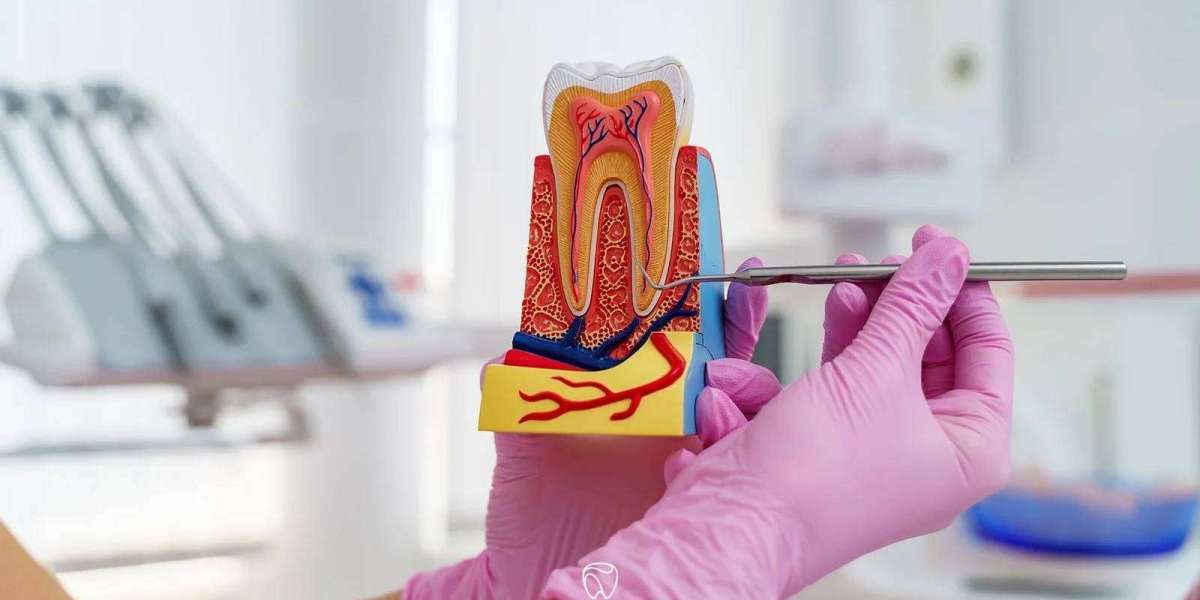

A tooth that becomes painful or unusually sensitive may have an underlying problem that needs professional attention. Root Canal Treatment is generally considered when the pulp inside a tooth becomes severely inflamed or infected and cannot recover on its own.
Deep decay, cracks, trauma, and repeated dental procedures can allow bacteria to reach the inner tissues of a tooth. Without appropriate treatment, infection may spread to the surrounding tissues and create more serious dental complications.
If you have persistent tooth pain, swelling, or prolonged sensitivity, visiting a trusted dental clinic in Dubai can help determine whether root canal therapy is necessary or whether another treatment would be more suitable.
What Is Root Canal Treatment?
Root Canal Treatment is a procedure that removes infected or damaged pulp from inside a tooth. After the pulp is removed, the dentist cleans and disinfects the root canals before filling and sealing them.
The tooth is then restored with a suitable filling or crown. The objective is to control infection while preserving the natural tooth whenever it remains restorable.
When Is Root Canal Treatment Necessary?
Severe or Persistent Tooth Pain
Pain that continues for an extended period or repeatedly returns may indicate inflammation or infection within the tooth.
Discomfort can become more noticeable when biting, chewing, or lying down. Persistent pain should be professionally evaluated rather than treated only with temporary measures.
Prolonged Sensitivity
Sensitivity to hot or cold is common with several dental conditions. However, when the discomfort continues after the food or drink has been removed, it may indicate a problem with the pulp.
A dentist can perform appropriate tests to determine the cause.
Deep Tooth Decay
A cavity that progresses deep into the tooth can eventually reach the pulp. Once bacteria enter this area, the tissue may become irreversibly inflamed or infected.
In such cases, a simple filling may no longer be enough to resolve the problem.
Swelling Around the Tooth
Swelling, tenderness, or redness around a particular tooth can be associated with infection. An abscess may also develop when bacteria spread beyond the root.
Dental infections should be evaluated promptly to prevent them from progressing.
Pain When Biting
Pain when applying pressure to a tooth can occur when infection or inflammation affects the tissues surrounding the root.
This symptom can have several causes, so a professional examination is necessary before deciding on treatment.
Cracked or Injured Teeth
A crack or dental injury can expose the pulp to bacteria. Even if the damage is not immediately obvious, the tooth may develop symptoms later.
Prompt assessment can help determine whether the pulp has been affected and whether the tooth can be preserved.
Can You Need a Root Canal Without Pain?
Yes. Some infected teeth produce few noticeable symptoms, especially during certain stages of infection.
A dental examination and appropriate imaging can sometimes identify an infection before significant pain develops. This is one reason regular dental checkups are important.
How Does a Dentist Confirm the Need?
Your dentist will review your symptoms and examine the tooth. Depending on your condition, diagnostic tests may include temperature testing, bite testing, and dental X-rays.
These assessments help determine the health of the pulp and the condition of the surrounding bone and tissues.
What Happens During Treatment?
Removing the Infected Pulp
After local anesthesia, the dentist creates an opening in the tooth and removes the damaged pulp.
Cleaning the Canals
The internal canals are carefully cleaned and shaped to remove bacteria, debris, and infected tissue.
Sealing the Tooth
The cleaned canals are filled with a specialized material and sealed to help prevent reinfection.
Restoring the Tooth
A permanent filling or crown may be placed depending on the amount of remaining tooth structure and the location of the tooth.
Is Root Canal Treatment Better Than Extraction?
When a tooth can be predictably restored, preserving the natural tooth may be a valuable option. Root canal therapy treats the infection without removing the entire tooth.
However, extraction may be necessary if the tooth has extensive structural damage, a severe fracture, or an unfavorable prognosis. Your dentist can explain the advantages and limitations of each option.
What Happens If Treatment Is Delayed?
An untreated pulp infection can progress into the surrounding tissues and potentially form an abscess. The infection may also cause bone loss around the affected tooth.
Delaying treatment can sometimes make the eventual dental procedure more complicated. Seeking an examination when symptoms first appear can help identify the problem earlier.
What Is Recovery Like?
Mild tenderness can occur after root canal therapy, particularly when biting. Most patients can return to normal activities relatively quickly.
Your dentist may recommend avoiding hard foods until the permanent restoration is completed. Follow-up care is important for protecting the treated tooth.
How Can You Protect Your Teeth?
Regular brushing, cleaning between your teeth, balanced dietary habits, and routine dental examinations can help reduce the risk of decay and other dental problems.
Treating cavities and damaged teeth early may also reduce the likelihood of deeper infection requiring root canal therapy.
Final Thoughts
Root Canal Treatment becomes necessary when the pulp inside a tooth is severely inflamed or infected and cannot recover naturally. Persistent pain, prolonged sensitivity, swelling, deep decay, and discomfort while chewing can all be reasons to seek professional evaluation.
If you notice symptoms that concern you, do not wait for them to disappear on their own. A qualified dentist can diagnose the problem and explain whether root canal therapy, a filling, or another treatment is the right option for your tooth.