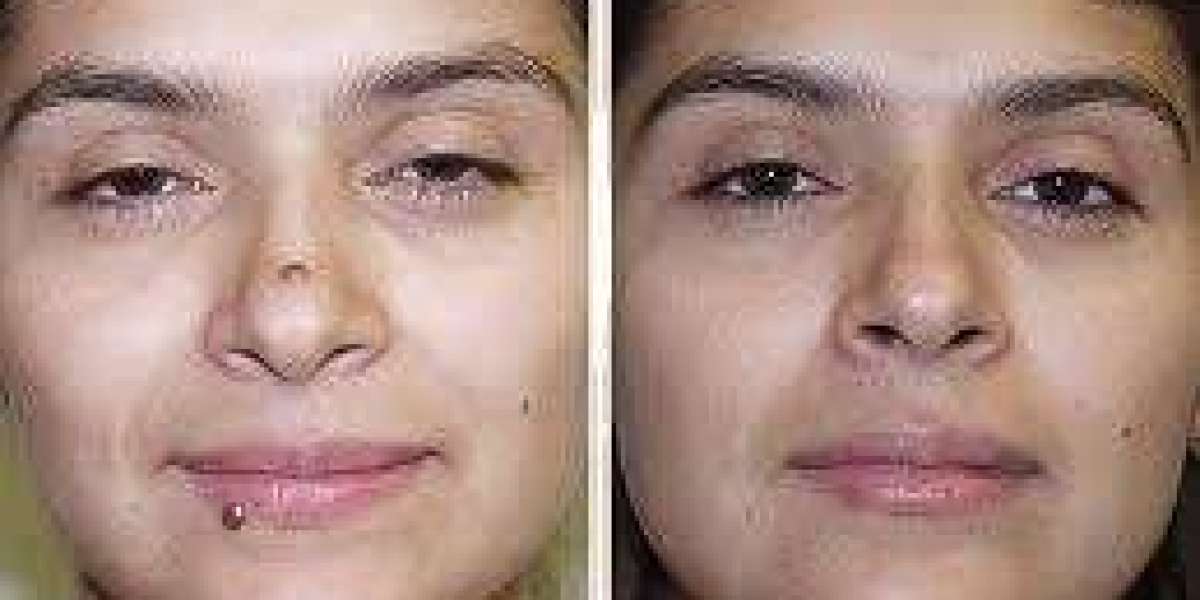

Moles are common skin marks that can develop during childhood, adolescence, or adulthood. They can vary in size, shape, color, and texture and may appear on almost any area of the body. While many moles are harmless, some people prefer to have them removed because they are noticeable, frequently irritated, or affect their confidence.
Understanding each stage of Mole Removal in Dubai can make the treatment journey easier. From the first consultation to post-treatment care, knowing what happens at every step allows you to prepare properly and make informed decisions about your skin.
What Is Mole Removal?
Mole removal is a procedure designed to remove an unwanted mole from the skin. The technique used depends on several factors, including the mole's appearance, size, depth, location, and whether there are any characteristics that require further medical evaluation.
Mole removal may be considered for both cosmetic and practical reasons. However, a professional skin assessment should always come before treatment, particularly if the mole has recently changed.
Step 1: Schedule a Skin Assessment
The first stage of Mole Removal in Dubai is a consultation. During this appointment, the mole and surrounding skin are carefully examined.
Important characteristics may include:
- Size and shape
- Color and pigmentation
- Border and symmetry
- Location on the body
- Whether it has changed over time
- Whether it causes irritation or discomfort
This evaluation helps determine whether removal is appropriate and which technique may be suitable.
If a mole appears unusual or has changed significantly, additional medical evaluation may be recommended before cosmetic removal.
Step 2: Discuss Your Treatment Goals
Everyone has different reasons for wanting a mole removed. Some people may dislike the appearance of a facial mole, while others may have a mole that repeatedly catches on clothing.
During your consultation, explain what concerns you most. You can also discuss your expectations regarding healing and the appearance of the treated area.
Having realistic expectations is important because every person's skin heals differently.
Step 3: Choose the Appropriate Removal Technique
There is no single treatment that is suitable for every mole. Depending on the individual situation, different techniques may be considered.
Surgical Excision
Surgical excision involves cutting away the mole, usually with appropriate local anesthesia. This technique may be recommended for certain moles where complete removal and tissue examination are important.
Shave Removal
A shave technique removes a raised mole from the surface of the skin using a specialized instrument. It may be considered for certain superficial or raised moles.
Other Treatment Technologies
Certain technologies, including laser-based approaches, may be appropriate for selected skin lesions. However, they are not suitable for every mole.
The safest approach is to let a qualified professional determine which technique fits the characteristics of the mole rather than selecting a procedure solely because it sounds faster or more convenient.
Step 4: Prepare for the Procedure
Preparation for mole removal is generally straightforward. Your practitioner may provide specific instructions based on the chosen technique and your individual circumstances.
Make sure to disclose relevant medications, allergies, previous skin procedures, and any history of unusual reactions to treatments.
Avoid unnecessarily scratching, picking, or irritating the mole before your appointment.
If you have concerns about the treatment or recovery process, discuss them during the consultation.
Step 5: Treatment Day
On the day of treatment, the area is generally cleaned and prepared. Local anesthesia may be used when appropriate to make the procedure more comfortable.
The selected removal method is then performed carefully. The duration can vary according to the mole's size, location, depth, and the number of areas being treated.
After the procedure, the treated area may be covered with an appropriate dressing or wound protection.
Does Mole Removal Hurt?
Many procedures use local anesthesia to reduce discomfort during treatment. You may feel pressure or movement, but significant pain is generally minimized during procedures where anesthesia is used.
Afterward, mild tenderness, sensitivity, or irritation can occur while the skin heals.
Your aftercare instructions should be followed carefully to promote comfortable recovery.
Step 6: Follow Proper Aftercare
Aftercare is an important part of Mole Removal in Dubai. Your skin needs time to recover after the mole has been removed.
Depending on the procedure, you may be advised to:
- Keep the area clean
- Protect the treated skin
- Avoid unnecessary touching
- Avoid scratching or picking at healing skin
- Follow dressing instructions
- Use recommended skincare products
- Protect the area from excessive sun exposure
Do not apply unapproved products to the treated area simply because they are marketed for scar or wound care.
Step 7: Allow Your Skin to Heal
Healing time varies from person to person. It can also depend on the removal technique, the size and depth of the mole, and where it was located.
During healing, the treated area may look different from the surrounding skin. Mild redness or sensitivity can occur as part of the normal healing process.
It is important not to judge the final appearance too early. Skin can continue changing as the healing process progresses.
Step 8: Protect the Treated Area From the Sun
Sun protection is especially important after skin procedures. Newly treated skin can be more sensitive to sunlight, and excessive exposure may contribute to pigmentation changes.
Once your healthcare professional confirms that it is appropriate, use suitable sun protection and take practical measures such as avoiding prolonged direct sunlight.
Protective clothing can also help when the treated area is exposed.
Potential Benefits of Mole Removal
People choose Mole Removal in Dubai for different reasons, and potential benefits can include:
A More Even-Looking Appearance
Removing a prominent mole may help create a smoother and more uniform appearance in the treated area.
Reduced Irritation
A mole located where it frequently rubs against clothing or accessories can be bothersome. Removing it may reduce repeated irritation.
Improved Confidence
Some people feel self-conscious about noticeable moles, particularly those located on the face or neck. Removal may help them feel more comfortable about their appearance.
Professional Evaluation
A consultation provides an opportunity to have a concerning or changing mole assessed appropriately rather than treating it without evaluation.
What About Scarring?
Scarring is a possible consideration with mole removal. Any procedure that removes or alters skin can result in a mark during the healing process.
The final appearance depends on factors such as:
- Removal technique
- Mole size
- Treatment depth
- Location
- Individual healing
- Aftercare
- Sun exposure during healing
A professional can discuss expected healing and potential scarring during your consultation.
When Should You Have a Mole Checked?
A mole should be professionally evaluated if you notice significant changes such as:
- Increasing size
- Changing shape
- Irregular borders
- Multiple or unusual colors
- Bleeding
- Persistent crusting
- Ongoing itching
- Significant changes compared with your other moles
These signs do not necessarily indicate a serious condition, but they should not be ignored.
Choosing Mole Removal in Dubai
When researching Mole Removal in Dubai, focus on professional evaluation, appropriate treatment selection, hygiene, safety, and aftercare rather than choosing a procedure based solely on speed.
A reliable treatment journey should begin with an assessment and include a clear explanation of the procedure, potential risks, recovery expectations, and aftercare.
Tajmeels Clinic can be considered when researching available aesthetic and skin treatment services. Before proceeding, make sure you understand the recommended approach and have discussed your individual concerns.
Frequently Asked Questions
How do I know which mole removal method is right for me?
The appropriate method depends on the mole's size, depth, location, appearance, and medical characteristics. A professional assessment is necessary.
Can I remove a mole at home?
Home removal methods are not recommended. Cutting, burning, or applying unapproved chemicals can cause infection, bleeding, scarring, or other complications.
Will the treated area look normal immediately?
Not necessarily. The skin needs time to heal, and redness or sensitivity may occur during recovery.
Can mole removal improve my confidence?
If a visible mole has been affecting how you feel about your appearance, removing it may help you feel more comfortable with your skin.
What should I do if a removed mole grows back?
Any recurrence or new change in the treated area should be professionally assessed.
Conclusion
Mole Removal in Dubai can provide a practical option for people who want to address unwanted, noticeable, or bothersome moles. The process begins with proper assessment and continues through treatment, healing, and careful aftercare.
Rather than rushing into a procedure, take time to understand your options and discuss your expectations with a qualified professional. Appropriate treatment selection, realistic expectations, and good aftercare can all contribute to a smoother treatment experience. Tajmeels Clinic can be considered as part of your research when exploring professional mole removal and aesthetic skin services.