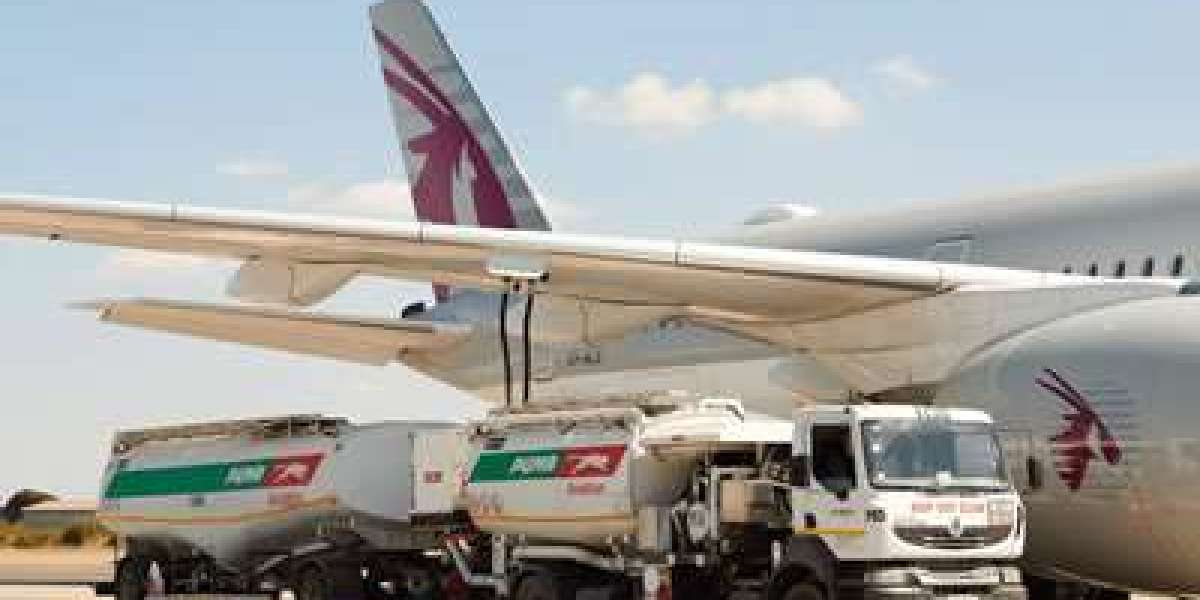

Modern aircraft relies on fuels that can work reliably under extreme conditions. Aircraft operate at high altitudes with extremely low temperatures, therefore aviation gasoline must meet stringent safety, energy content, cleanliness, and performance standards. Aviation fuels, unlike regular gasoline or diesel, are specifically designed and tested for use in aircraft engines.
Understanding aviation turbine fuel, jet fuel grades, and aviation fuel types will assist clarify how aircraft get the energy they need to fly safely and efficiently. The aviation fuel industry is evolving in response to changing technology and environmental goals, transitioning from traditional kerosene-based fuels to more sustainable options.
What is Aviation Turbine Fuel?
Aviation turbine fuel, sometimes known as jet fuel, is a specialized petroleum-based fuel used primarily in aircraft powered by gas turbine engines. These engines power the majority of modern commercial passenger aircraft, freight flights, business jets, and military aircraft.
Aviation turbine fuel is typically based on highly refined kerosene. It is intended to remain stable and function consistently across a wide temperature range and operational conditions.
The fuel must also meet stringent criteria before it may be carried, stored, or delivered to airplanes. Properties such as freezing point, flash point, thermal stability, cleanliness, and energy content are meticulously monitored.
Understanding Jet Fuel Grades
Different aircraft and operating situations necessitate fuels that meet specified standards. This is why jet fuel grades are classified based on established criteria and regulations.
Jet A
Jet A is a kerosene-type aviation fuel that is widely used in commercial aviation, especially in the United States. It has a relatively high flash point and is intended for consistent performance in turbine-powered aircraft.
Jet A-1
Jet A-1 is one of the most used aviation turbine fuels worldwide. It is comparable to Jet A but has a lower freezing point, making it appropriate for international flights where aircraft may meet severely cold weather at high altitude.
Jet A-1 is widely utilized by airlines, airports, cargo operators, and other aviation organizations worldwide.
Jet B
Jet B is a wider-cut aviation fuel composed of lighter hydrocarbons. It freezes at a lower temperature than many kerosene-based fuels, making it useful in severely cold areas.
However, due to its higher volatility, it must be handled with caution and is less widely employed than Jet A or Jet A-1.
Common Aviation Fuel Types
There are various aviation fuel types, each designed for certain aircraft engines and operational requirements.
Turbine Fuel
Most current commercial aircraft use kerosene-based turbine fuels, such as Jet A and Jet A-1. They provide a balance between energy content, safety, cold-weather performance, and storage stability.
Aviation gasoline
Aviation gasoline, or Avgas, is mostly used in piston-engine aircraft. It is distinct from turbine fuel and is designed to satisfy the needs of spark-ignition aviation engines.
Avgas comes in a variety of grades, based on the engine needs of the aircraft and the appropriate aviation rules.
Sustainable Aviation Fuel
Sustainable aviation fuel, or SAF, is gaining popularity as the aviation industry seeks ways to reduce lifecycle greenhouse gas emissions.
SAF can be manufactured using certified renewable and waste-based feedstocks and blended with conventional aviation fuel in accordance with applicable regulations. Depending on the production process and certification, SAF can assist airlines in reducing the carbon footprint associated with aviation fuel use.
Why Are Aviation Fuels So Carefully Controlled?
Aircraft fuel must function consistently since fuel quality has a direct impact on engine performance and flight safety. Even trace amounts of water, dirt, or other pollutants might cause operating issues.
As a result, aviation fuel undergoes stringent quality control across the supply chain. Testing can include properties like:
Density
Freezing Point
Flash point
Thermal Stability
Water content
Contamination levels
Distillation characteristics:
Proper storage and management are equally vital. Fuel storage tanks, pipelines, refueling vehicles, and airport equipment must all be carefully maintained to avoid contamination.
Aviation Fuel and Cold Temperature
One of the most difficult challenges for aviation fuel is the exceptionally low temperatures encountered during high-altitude flying. Fuel must stay appropriate for engine operation even when exposed to extreme cold temperatures.
This is one of the reasons why some types of jet fuel have certain freezing points. Jet A-1, for example, has a lower maximum freezing point than Jet A, which makes it ideal for many international flights.
When dealing with aviation turbine fuel, fuel providers and airport operators must keep temperature, storage conditions, filtration, and water management in mind.
Future of Aviation Fuel
The aviation industry is increasingly concerned with improving fuel efficiency and decreasing environmental impact. Aircraft manufacturers are continuing to create more efficient engines, while airlines are looking into sustainable fuel sources and operational improvements.
SAF is projected to be a key component of this transformation. At the same time, traditional aviation turbine fuel will continue to play an important role due to the existing worldwide aircraft and airport infrastructure.
Future developments could include new fuel technologies, enhanced production processes, and more use of renewable feedstocks.
Conclusion
Aviation fuel is more than just a source of energy for planes. It is a highly regulated product that is intended to ensure consistent performance under rigorous operating situations.
Understanding aviation turbine fuel, Jet Fuel Grades, and Aviation Fuel Types helps explain why different fuels are utilized for different aircraft. Jet A and Jet A-1 are still significant fuels for modern turbine aircraft, whilst Avgas serves piston-engine aircraft, and sustainable aviation fuel is becoming increasingly important for the industry's future.
As aviation expands, fuel quality, efficient handling, and the development of lower-carbon alternatives will be critical to maintaining air transport safety, reliability, and sustainability.