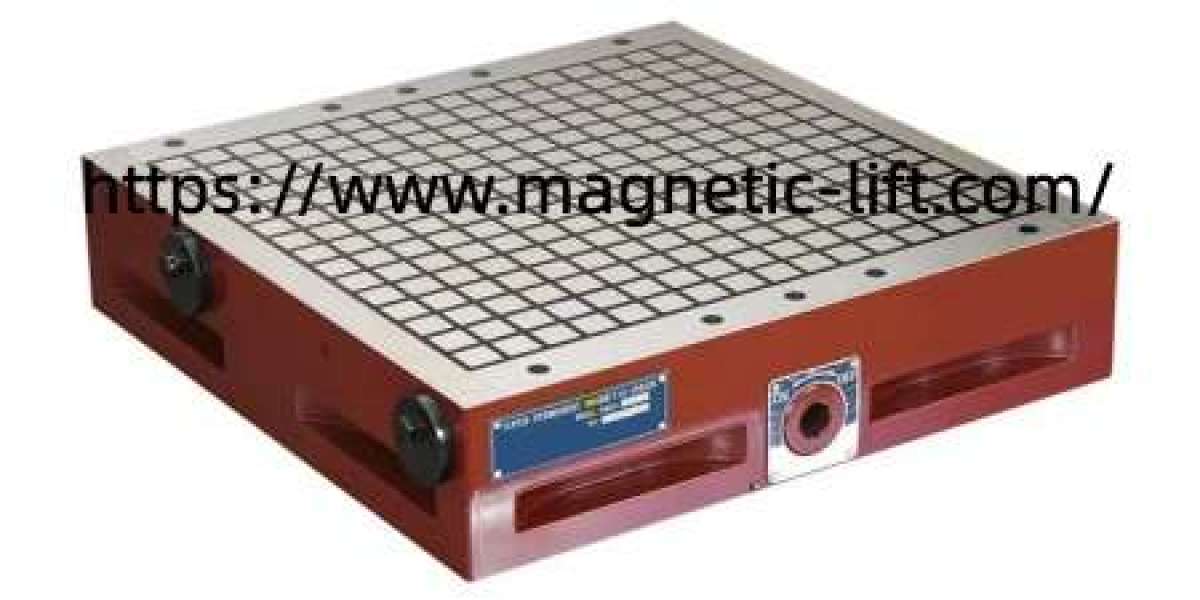

Super Strong Permanent Magnetic Chuck selection should begin with the actual machining application rather than a product name or a single holding figure. Buyers need to consider the workpiece material, dimensions, thickness, surface condition, machining process, machine table size, and required holding characteristics. These factors can influence how magnetic workholding performs in real production environments. Industry guidance also identifies material type, air gaps, thickness, surface condition, and pole arrangement as important selection factors.
The machining process is a useful starting point. Surface grinding, milling, EDM, and other operations can create different forces and positioning requirements. A setup intended for surface grinding may not have the same design priorities as one used for heavier milling work. Buyers should tell the manufacturer exactly how the equipment will be used, including the machine type and processing method.
Workpiece material comes next. Magnetic workholding is generally intended for ferromagnetic materials, but not every steel or iron component responds in exactly the same way. Material composition, hardness, heat treatment, and magnetic permeability can influence the available holding force. Providing the supplier with the actual material specification can therefore make product selection more accurate.
Workpiece thickness is another detail that deserves careful attention. Magnetic flux needs an appropriate path through the material. Very thin components may not absorb the magnetic field in the same way as thicker blocks or plates. Fine pole arrangements can be useful for certain thin workpieces because the magnetic field is concentrated closer to the surface. Buyers should therefore compare the thickness range of their parts with the manufacturers technical data.
Surface condition can have a noticeable effect on workholding. Rust, paint, dirt, burrs, rough machining marks, and uneven surfaces can create air gaps between the workpiece and contact face. These gaps can reduce magnetic holding performance. A clean and reasonably flat contact surface allows closer contact and can provide more favorable operating conditions.
Flatness deserves separate consideration when precision grinding is involved. Research published by the American Society of Mechanical Engineers found that workpiece flatness deviation can influence normal holding force, while surface texture can also affect tangential holding behavior. For machining applications where positioning consistency matters, buyers should consider both the workpiece condition and the condition of the contact surface.
Pole spacing is another specification worth reviewing. Different spacing arrangements can correspond with different workpiece thicknesses and sizes. Wider spacing can be suitable for thicker components, while finer arrangements are commonly considered for thin parts and smaller workpieces. There is no universal spacing choice for every application, so the actual part range should guide the selection.
The size of the contact area also matters. A small component that covers only part of the working surface may behave differently from a large plate covering several magnetic poles. Buyers should consider the smallest and largest workpieces they expect to process. This information can help determine whether a standard configuration is suitable or whether another arrangement deserves consideration.
Machine compatibility should be checked before an order is placed. The dimensions of the unit need to correspond with the machine table, mounting arrangement, available working area, and intended travel. GlobalSpec also identifies chuck geometry and compatibility with existing equipment as important specifications when comparing magnetic workholding products.
Another useful point is the type of operation performed after positioning. Grinding generally focuses on stable surface support and controlled contact, while milling can introduce different cutting forces. For heavier cutting conditions, buyers should discuss the expected forces and workpiece footprint with the manufacturer rather than selecting equipment solely from a catalog capacity.
Daily operation should also be considered. A practical activation mechanism, accessible controls, durable construction, and straightforward cleaning requirements can make a difference in a busy workshop. Operators should inspect the working surface regularly and remove contamination that could create unwanted gaps.
Kaixinmagnetic develops magnetic workholding solutions for industrial machining applications. By reviewing the actual workpiece range and production process, buyers can compare available configurations according to material, thickness, dimensions, pole arrangement, and machine compatibility instead of making a decision based on one specification.
A good purchasing discussion should include the smallest part, largest part, typical material, minimum thickness, surface condition, machining method, machine table dimensions, and expected production frequency. Clear information gives manufacturers a better basis for discussing suitable configurations and helps buyers avoid unnecessary mismatches.
Before purchasing, it is also useful to consider future workpieces. If a workshop regularly changes between thin plates, medium sized blocks, and larger components, the selected configuration should be evaluated against the full range rather than only one commonly used part. This approach can make the equipment more practical for changing production schedules.
For buyers reviewing available magnetic workholding solutions, product specifications and application details can provide a useful starting point. Kaixinmagnetic product options can be viewed at https://www.magnetic-lift.com/product/ Matching the equipment with the actual machining process, material, dimensions, and contact conditions can help create a more appropriate setup for everyday workshop use.