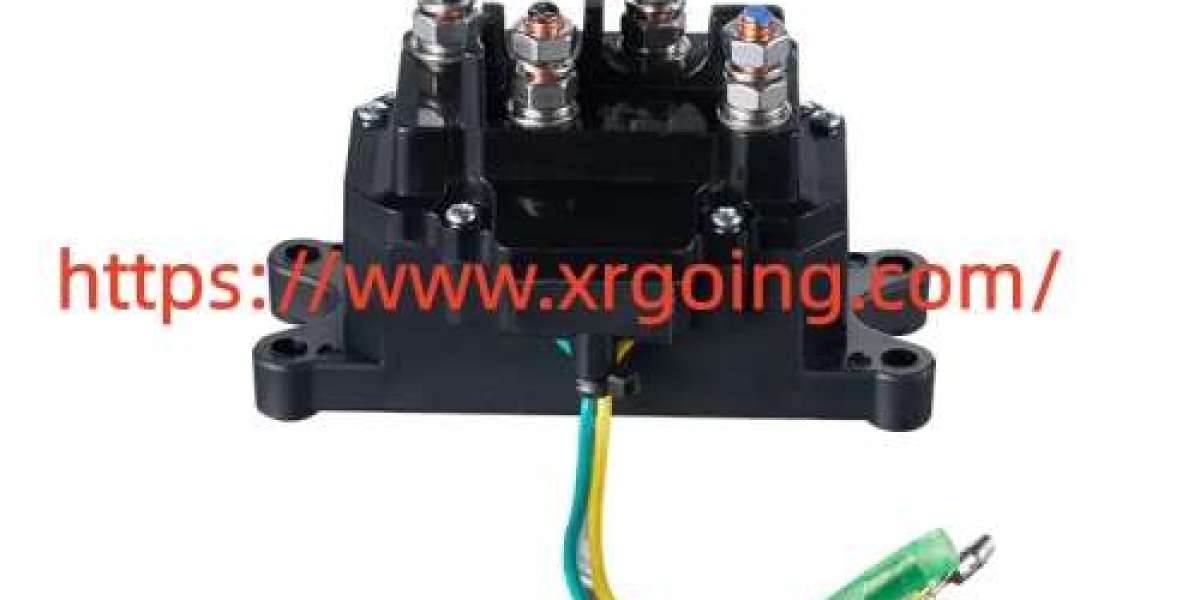

Winch Relay selection deserves careful attention because this small electrical component has an important role in controlling power between the battery and motor. Buyers should not judge a product only by its appearance or a single current figure. Voltage, load requirements, control method, terminal construction, environmental conditions, and expected operating cycle all deserve review before a purchase. A suitable choice should work with the complete electrical system rather than being considered separately.
The first point to check is system voltage. Many vehicle and equipment applications use 12V or 24V DC systems, but the actual requirement depends on the equipment. The control coil and switching circuit need to match the intended electrical configuration. A mismatch can prevent proper engagement or create unnecessary electrical stress. Buyers should confirm the equipment specifications, battery arrangement, and control circuit before selecting a component. This simple check can prevent compatibility problems during installation.
Current capacity is another important consideration. A motor can draw substantially different amounts of current during starting, normal operation, and demanding work. Looking only at a nominal motor rating may therefore provide an incomplete picture. Buyers should review available equipment data and consider both expected working current and short duration demand. The switching component should be selected according to the actual electrical load and its rated operating conditions.
Duty cycle also deserves attention. A recovery vehicle may operate its winching equipment for relatively short periods, while utility or industrial equipment may experience repeated operating cycles. These different conditions place different demands on electrical contacts and internal components. Buyers should check whether the selected model is intended for intermittent or longer operating periods. Matching the component to the application can help manage heat generation and contact wear during service.
Terminal construction should be considered alongside electrical ratings. Large motor currents require suitable connections, properly sized cables, and secure terminals. A component may have an appropriate current specification, but the complete installation still depends on cable size, connection quality, grounding, and other electrical components. Poor connections can contribute to voltage loss and heating, which means procurement should consider the whole circuit rather than one isolated part.
Environmental conditions can also influence purchasing decisions. Equipment used on vehicles, trailers, boats, agricultural machinery, or outdoor equipment may encounter moisture, dust, vibration, and temperature changes. In these situations, buyers should review housing construction and available protection specifications. A sealed design may be appropriate for certain installations, while another application may require a different mounting arrangement. The right decision depends on where the component will be installed and how it will be used.
Control configuration is another detail that should not be overlooked. Different systems can use different wiring arrangements and control methods. Before ordering, buyers should compare terminal layouts, coil requirements, switching configuration, and the existing control circuit. Checking these details in advance can reduce installation adjustments and make replacement work more straightforward.
For manufacturers and distributors, documentation can make product evaluation easier. Technical drawings, electrical specifications, terminal information, application guidance, and installation recommendations give purchasing teams useful information for comparing models. Xiangrui focuses on electrical components designed for practical vehicle and equipment applications, giving customers a product source to consider when reviewing their system requirements.
Price is naturally part of procurement, but it should be considered together with technical suitability, installation requirements, service conditions, and expected usage. Choosing solely by a lower purchase price may create additional work if the component does not match the system. A specification based purchasing process gives buyers a clearer way to compare different options and communicate requirements with suppliers.
Before placing an order, buyers can prepare a simple specification list covering voltage, expected current, operating cycle, terminal arrangement, control method, environmental conditions, mounting requirements, and equipment compatibility. Sharing these details with a manufacturer can make communication more efficient and help identify an appropriate configuration.
For product details, application information, and Xiangrui manufacturing resources, buyers can visit https://www.xrgoing.com/ Reviewing the available information before contacting a supplier can help customers prepare the technical details needed for a more suitable purchasing discussion.