
Haemorrhoids can be an uncomfortable and frustrating condition that affects everyday activities. Sitting for long periods, exercising, travelling, or even using the bathroom can become difficult when symptoms such as itching, swelling, pain, or bleeding appear. Although haemorrhoids are common, persistent symptoms should not simply be ignored.
Fortunately, there are several approaches available for Haemorrhoids treatment in Dubai. Depending on the severity and type of haemorrhoids, treatment may involve lifestyle improvements, medication, minimally invasive procedures, or surgery. The most appropriate option varies from person to person.
Understanding the condition and available treatment choices can help you feel more prepared and confident when seeking professional care.
What Are Haemorrhoids?
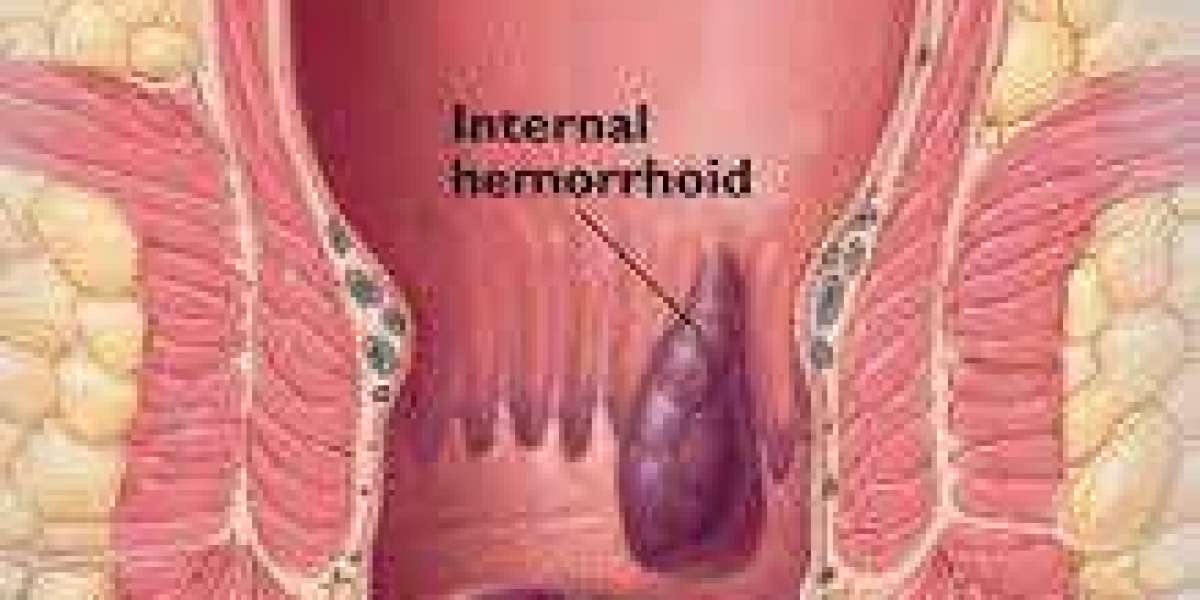
Haemorrhoids are swollen blood vessels and supporting tissues around the lower rectum and anus. They can develop inside the rectum, known as internal haemorrhoids, or underneath the skin surrounding the anus, known as external haemorrhoids.
Internal haemorrhoids may cause bleeding without significant pain, while external haemorrhoids can lead to tenderness, swelling, irritation, and discomfort.
The symptoms and severity can vary considerably between individuals, which is why an appropriate assessment is important.
Common Causes of Haemorrhoids
Several factors can increase pressure on the blood vessels around the rectal area. Common contributing factors include:
- Chronic constipation
- Straining during bowel movements
- Low dietary fibre
- Inadequate fluid intake
- Prolonged sitting
- Spending excessive time on the toilet
- Pregnancy
- Being overweight
- Frequent heavy lifting
- Increasing age
- Persistent diarrhoea
Addressing these contributing factors can be an important part of both treatment and prevention.
Common Symptoms to Recognise
Haemorrhoids can cause different symptoms depending on their location and severity.
Common signs include:
Rectal Bleeding
Bright-red blood may appear during or after a bowel movement, particularly with internal haemorrhoids.
Itching and Irritation
The skin around the anus can become irritated, causing persistent itching or burning sensations.
Pain and Tenderness
External haemorrhoids may become painful, particularly when swollen or irritated.
Swelling or a Lump
Some people may notice a lump around the anal opening. A sudden painful lump can sometimes be associated with a blood clot in an external haemorrhoid.
Persistent or unexplained bleeding should always be medically evaluated because other conditions can cause similar symptoms.
When Should You Consider Haemorrhoids Treatment?
Mild symptoms may sometimes improve with lifestyle changes and conservative care. However, professional treatment may be worth considering when symptoms:
- Continue for an extended period
- Keep returning
- Interfere with daily activities
- Cause significant discomfort
- Produce repeated bleeding
- Do not improve with lifestyle measures
A professional assessment can help determine whether the symptoms are actually caused by haemorrhoids and identify the most suitable treatment approach.
Conservative Treatment Approaches
Not every patient requires a procedure. For mild haemorrhoids, lifestyle management can sometimes provide meaningful relief.
Increasing fibre intake can help soften stools and reduce straining. Fibre can be obtained from vegetables, fruits, whole grains, legumes, and other fibre-rich foods.
Adequate hydration is also important. Regular physical activity may support healthy bowel function, while avoiding unnecessary time on the toilet can reduce pressure on the affected area.
Depending on symptoms, suitable topical treatments may also provide temporary relief from itching and irritation.
Minimally Invasive Treatment Options
When conservative measures are not enough, minimally invasive procedures may be considered for selected patients.
One commonly used option for certain internal haemorrhoids is rubber band ligation. This technique involves placing a small band around the base of the haemorrhoid to reduce its blood supply.
Other minimally invasive approaches may also be available depending on the type, location, and severity of the haemorrhoids.
These treatments are generally selected after an appropriate assessment rather than simply based on patient preference.
Surgical Haemorrhoid Treatment
Surgery may be considered for larger, advanced, recurrent, or particularly troublesome haemorrhoids.
Surgical approaches are designed to remove or reduce problematic haemorrhoidal tissue. The appropriate technique depends on the patient's condition and overall health.
Before choosing surgery, patients should understand the expected recovery period, possible risks, aftercare requirements, and available alternatives.
Benefits of Appropriate Treatment
The potential benefits of suitable haemorrhoid treatment can include:
- Reduced pain and discomfort
- Less bleeding
- Reduced itching and irritation
- Improved bowel-movement comfort
- Greater comfort when sitting
- Improved ability to exercise and perform daily activities
- Better overall quality of life
Results vary depending on the severity of the condition and the treatment selected.
How to Prepare for Treatment
Preparation depends on the type of treatment being considered. During a consultation, it can be helpful to provide information about your symptoms, bowel habits, medications, allergies, previous treatments, and existing medical conditions.
Keeping track of how frequently symptoms occur can also help during the assessment.
If a procedure is recommended, follow all preparation instructions carefully.
Recovery and Aftercare
Recovery varies according to the treatment. Patients receiving conservative care may continue normal activities while making dietary and lifestyle adjustments. Those undergoing procedures or surgery may need a temporary period of reduced activity.
After treatment, maintaining healthy bowel habits is particularly important. Drinking enough fluids, eating appropriate amounts of fibre, and avoiding excessive straining can support recovery.
Patients should follow all treatment-specific aftercare instructions and seek professional advice if unexpected symptoms develop.
Tips for Preventing Recurrence
Even after successful treatment, haemorrhoids can return. Healthy everyday habits may help reduce the risk.
Consider:
- Eating a fibre-rich diet
- Drinking adequate water
- Exercising regularly
- Avoiding unnecessary straining
- Limiting time spent sitting on the toilet
- Responding to the urge to have a bowel movement
- Maintaining a healthy body weight
- Avoiding prolonged periods of inactivity
These habits can support healthier bowel function over the long term.
Frequently Asked Questions
Is Haemorrhoids Treatment in Dubai always surgical?
No. Treatment can range from lifestyle changes and medication to minimally invasive procedures and surgery, depending on the severity of the condition.
Can mild haemorrhoids improve without a procedure?
Yes. Mild symptoms may improve with fibre, hydration, regular physical activity, and appropriate conservative care.
How long does recovery take?
Recovery depends on the treatment. Conservative management generally involves little disruption, while surgical procedures may require a longer recovery period.
Can haemorrhoids come back after treatment?
Yes. Recurrence is possible, especially if constipation, straining, or other contributing factors continue.
Should rectal bleeding be checked?
Yes. Although haemorrhoids can cause rectal bleeding, other conditions can produce similar symptoms. Persistent or unexplained bleeding should be evaluated by a healthcare professional.
Conclusion
Living with persistent haemorrhoid symptoms can affect comfort and confidence, but there are several treatment approaches available. Haemorrhoids Treatment in Dubai can range from simple lifestyle management to minimally invasive procedures and surgical treatment, depending on the patient's individual condition.
The most important step is to obtain an appropriate assessment rather than relying on self-diagnosis or delaying care because of embarrassment. With suitable treatment and healthy bowel habits, many patients can achieve better comfort and return to their normal routines. Tajmeels Clinic can be considered when researching professional haemorrhoids treatment and exploring appropriate care options.