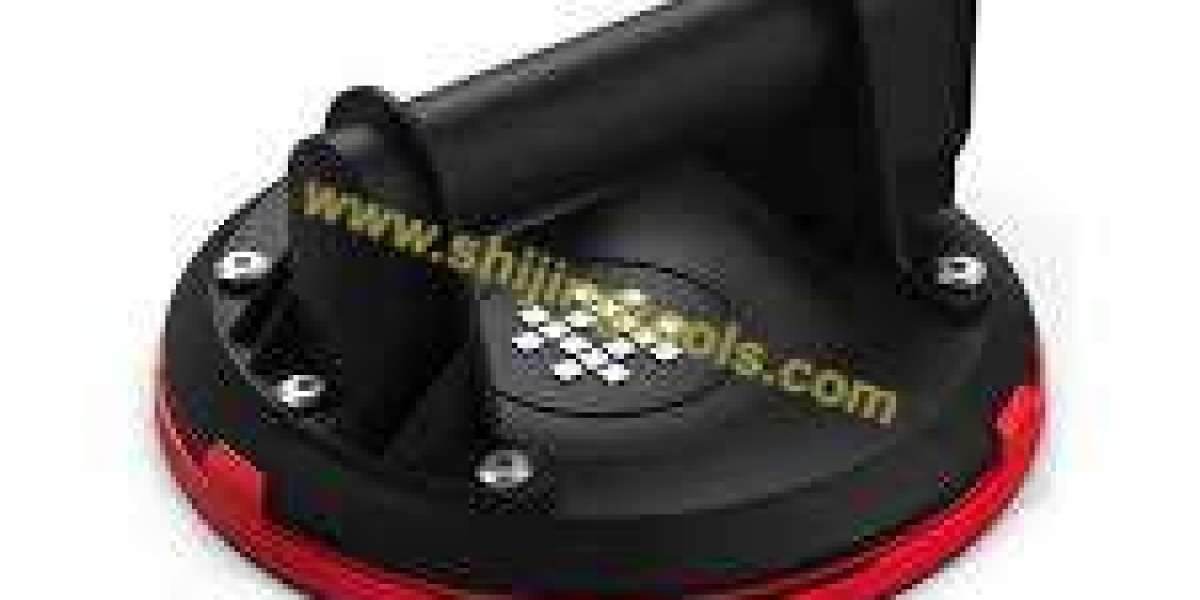

When glass, ceramic tiles, stone panels, metal sheets, or other smooth materials need to be moved, reliable gripping equipment can make the handling process easier to control. A suitable 200mm Vacuum Suction Cups design can create a temporary attachment point while allowing an operator to position a workpiece with steady hand control. For professional users, the structure, sealing surface, handle, release mechanism, and working conditions all deserve attention, so what safety features should be considered before using such equipment?
A dependable suction pad is one of the first components to examine. The rubber surface needs to contact the workpiece evenly so that an effective seal can form. Cuts, cracks, hardened areas, deformation, or trapped particles may interfere with the seal. Regular visual inspection before lifting can help identify visible problems before the tool is placed under load.
Surface preparation is equally important. Smooth, clean, and non-porous materials generally provide suitable conditions for vacuum attachment. Dust, oil, moisture, loose particles, and rough textures may affect the contact between the pad and the workpiece. Cleaning the intended gripping area before operation creates a suitable starting condition for the suction process.
A vacuum indicator can provide useful visual information during handling. When a design includes an indicator, the operator can check whether the required vacuum condition has been reached before beginning the lifting movement. This type of feature can support a clear pre-use inspection process and help the operator notice an unexpected change during handling.
The locking structure deserves attention as well. After the vacuum has been established, the operating lever should remain in its intended position while the material is being moved. A secure mechanism can reduce accidental movement of the control component and help maintain the selected attachment state.
The handle is another important part because it provides the operator with direct control over the workpiece. A suitable grip should allow steady hand placement during lifting, positioning, and adjustment. The handle structure should also correspond with the intended load and direction of movement, particularly when large panels require careful positioning.
Load capacity should never be considered separately from the working environment. The actual handling condition can be affected by surface quality, material type, load direction, temperature, weight distribution, and the number of suction points. Users should follow the manufacturer's stated working conditions rather than assuming that a rated capacity applies equally to every material and situation.
Vertical lifting requires particular attention because gravity acts directly against the attachment point. Horizontal movement can create another set of forces as the workpiece changes position. Operators should understand how the load will behave during the complete movement instead of considering only the initial lifting stage.
The center of gravity also influences stability. A large panel with uneven weight distribution may move or rotate if the suction points are positioned poorly. When several gripping points are needed, their placement should correspond with the dimensions, shape, and weight distribution of the workpiece.
Rubber pad quality has a direct relationship with sealing performance. The material needs enough flexibility to follow the contact surface while retaining suitable physical properties during normal use. Exposure to sharp edges, aggressive chemicals, excessive heat, or unsuitable storage conditions may affect the pad and should therefore be avoided when possible.
Routine inspection does not need to be complicated. Before use, an operator can examine the pad, handle, lever, connection areas, and indicator for visible damage. If the suction pad shows unusual deformation or the mechanism does not operate as expected, the equipment should be evaluated before it is placed under load.
Cleaning is another practical maintenance step. Fine dust, adhesive residue, paint, and other particles can remain on the rubber surface after repeated work. Removing such residue helps maintain a clean contact area and reduces unnecessary interference between the pad and workpiece.
Storage also contributes to equipment condition. Suction cups should not be compressed under heavy objects or placed beside sharp tools that could damage the rubber. A dry, protected storage area can help reduce unnecessary exposure to heat, moisture, pressure, and mechanical impact.
Temperature conditions may influence both the suction component and the material being handled. Rubber can respond differently under unusual temperature conditions, while certain workpieces may also change their surface characteristics. When working in demanding environments, users should check the applicable operating recommendations before starting a lifting task.
Controlled release is another feature worth considering. Once the workpiece has reached a stable support position, the operator should be able to release the vacuum through the intended mechanism. Releasing the attachment before the load is properly supported may cause unexpected movement, so the sequence of placement and release should remain controlled.
Operator technique has a significant influence on safe handling. Users should know how to position the pad, activate the vacuum, check the indicator, hold the handle, move the material, and release the attachment. Consistent operating habits can reduce avoidable mistakes during repeated tasks.
Glass installation is one common application. Large glass panels can be difficult to hold because of their smooth surfaces and dimensions. Proper suction equipment can provide a temporary gripping point that assists with positioning while reducing the need to handle the panel directly at its edges.
Large tile and porcelain slab installation can involve similar challenges. A worker may need to adjust the position of a panel several times before final placement. A suitable gripping device can support controlled movement during this stage, provided that the surface and load conditions are compatible with the equipment.
Stone and metal panels can also require specialized handling. Surface finish varies between materials, so compatibility should be checked before use. Painted, polished, coated, or slightly textured surfaces may behave differently from clean glass, which makes application assessment an important part of equipment selection.
For frequent professional use, inspection can become part of the normal preparation routine. Checking the suction pad, handle, mechanism, indicator, and contact surface before a demanding task allows visible issues to be identified early. The same approach can be applied after intensive handling to monitor equipment condition.
When choosing handling equipment, buyers should consider the complete application instead of focusing on cup diameter alone. Workpiece material, surface finish, load weight, movement direction, environmental conditions, usage frequency, and the required number of gripping points all influence the appropriate selection.
ShiJingTools provides handling equipment intended for material movement and installation applications. Users can review product information and application details when evaluating suitable options. The range of vacuum suction cup handling tools can serve as a reference for glass, tile, panel, and related handling work.
A suitable lifting procedure may also require supporting equipment when the load is large, heavy, or difficult to control. Additional gripping points, protective equipment, mechanical assistance, or a prepared receiving surface may be appropriate depending on the working environment.
The surrounding workspace should also be checked before movement begins. Wet floors, restricted visibility, obstacles, unstable footing, or crowded areas can affect operator control. Clearing the intended route and preparing the destination surface can create a more manageable handling environment.
For users comparing 200mm Vacuum Suction Cups, safety depends on the relationship between product structure and actual application. The same equipment may behave differently when used on different surfaces or under different load conditions.ShiJingTools offers handling solutions at https://www.shijingtools.comfor users who want to review suitable equipment options. Understanding those variables helps users select equipment according to the task rather than relying on size alone.