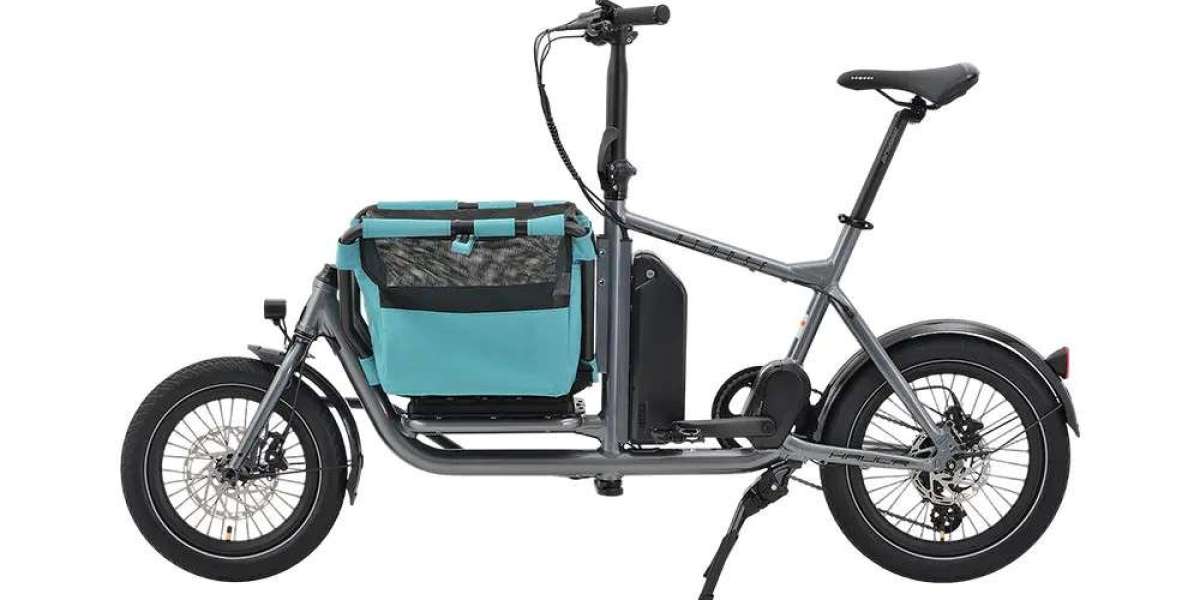

An Urban Cargo Bike can serve as a useful transportation tool for local delivery operations. Restaurants, retailers, repair services, florists, and independent couriers can use cargo bicycles to move goods through urban areas where traffic congestion and limited parking can affect delivery schedules.
The structure of an Urban Cargo Bike allows different cargo arrangements. A front cargo box can provide enclosed storage for parcels and food containers, while a rear platform can carry crates, bags, or removable boxes. Modular designs can allow operators to change the cargo setup according to different delivery tasks.
An Electric Cargo Bike can provide additional support when riders travel with heavy loads. Electric assistance can help maintain a steady riding speed during repeated stops and starts. Battery specifications should be reviewed according to route length, cargo weight, terrain, weather, and daily operating hours.
Cargo security is important for commercial use. Lockable boxes, reinforced lids, internal dividers, straps, and protective covers can help keep goods organized during transportation. For temperature-sensitive products, insulated cargo boxes can provide a dedicated storage environment when combined with an appropriate cooling system.
Braking and handling also require attention. A loaded cargo bicycle behaves differently from a standard bicycle because the additional weight can affect acceleration, cornering, and stopping distance. A stable frame, suitable wheelbase, responsive steering system, and dependable brakes can help riders maintain control during daily operations.
Lighting and visibility are especially relevant for delivery workers who operate during early mornings, evenings, or poor weather. Front lamps, rear lights, reflectors, and visible cargo markings can improve awareness around other road users. Local regulations should be reviewed before commercial deployment.
Maintenance planning can influence operating costs. Common service items include brake pads, tires, chains, drivetrain components, electrical connections, batteries, and cargo hardware. Businesses can benefit from a maintenance schedule based on mileage and operating frequency.
When selecting an Urban Cargo Bike for delivery work, procurement teams should review payload rating, cargo dimensions, motor output, battery capacity, charging method, frame construction, braking system, accessory options, warranty terms, and spare parts availability.
A well-matched cargo bike can support short-distance logistics while offering access to routes that may be difficult for larger vehicles. For urban businesses, the right configuration depends on delivery distance, product type, cargo volume, rider workload, and operating environment.
https://www.atmosecargobike.com/product/urban-companion-cargo-bike-model-q-range/