
In an increasingly unpredictable world, personal and property safety has never been more important. While modern technology offers surveillance systems and alarms, nothing compares to the protective instincts, intelligence, and loyalty of a trained dog. Whether for personal safety, family protection, or guarding valuable assets, trained personal protection dogs and trained security dogs are proving to be invaluable allies for individuals and businesses alike.
The Importance of Professional Training
Dogs are naturally protective, but without proper training, their instincts can be unpredictable or even dangerous. Professional training ensures that these animals respond appropriately to threats, obey commands under high-stress situations, and distinguish between real danger and harmless scenarios.
Trained personal protection dogs are specifically taught to safeguard individuals and their families. They learn to assess situations, recognize potential threats, and act decisively without posing unnecessary risk to others. Similarly, trained security dogs are typically deployed in commercial or institutional settings, protecting properties, facilities, or large groups of people. Their training emphasizes vigilance, territorial defense, and controlled aggression when necessary.
Qualities of a Good Protection Dog
Not every dog can serve as a protection or security dog. Certain breeds, temperaments, and intelligence levels are better suited for these demanding roles. Ideal candidates usually exhibit the following traits:
- Intelligence and Trainability: Protection dogs must quickly understand commands and adapt to dynamic situations. Breeds like German Shepherds, Belgian Malinois, and Dobermans are often preferred for their high intelligence and ability to follow complex instructions.
- Loyalty and Bonding: A protection dog must develop a strong connection with its handler. This bond ensures that the dog can reliably distinguish between friend and foe and respond to threats effectively.
- Calm Under Pressure: While aggression is sometimes necessary, a top protection or security dog maintains composure in tense scenarios, striking only when required.
- Physical Fitness and Stamina: Long hours of vigilance require a dog to be in peak physical condition. Proper training includes endurance building and exposure to various environmental conditions to ensure readiness at all times.
Training Process for Protection and Security Dogs
The journey from an ordinary dog to a trained personal protection dog or trained security dog involves rigorous and structured training. Here are the key stages:
1. Basic Obedience
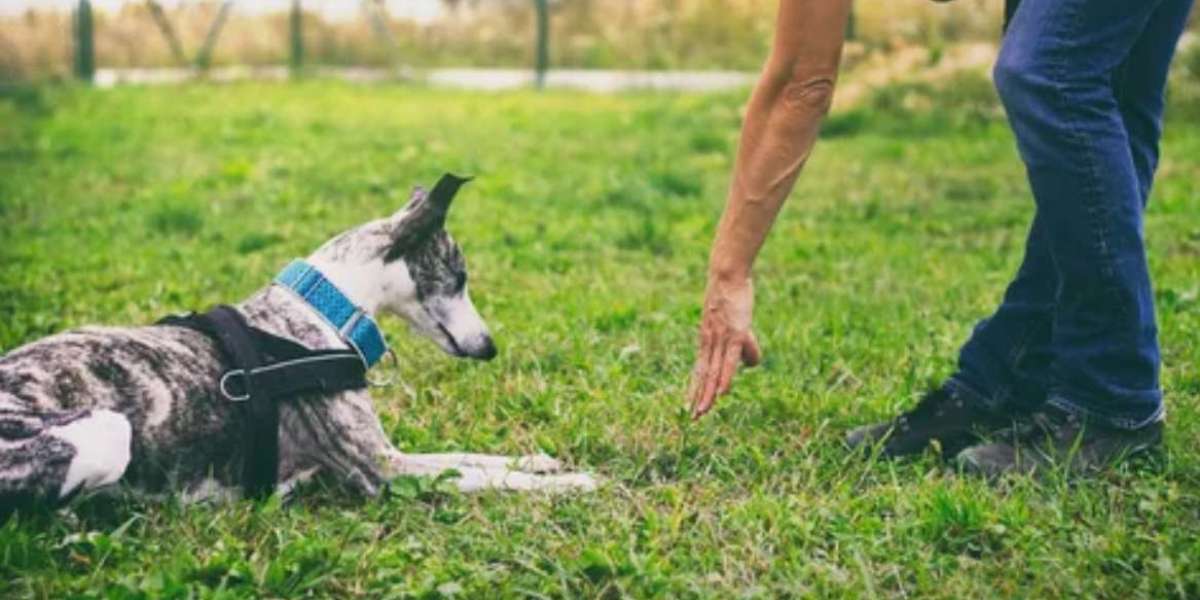
Before any protective skills are introduced, dogs must master basic obedience commands such as sit, stay, come, and heel. These commands form the foundation for more advanced training and ensure the dog is responsive and manageable in all situations.
2. Socialization and Desensitization
Protection dogs must remain calm around strangers, children, and other animals. Socialization ensures they can differentiate between harmless interactions and genuine threats. Desensitization helps them handle loud noises, sudden movements, or stressful environments without panicking.
3. Controlled Aggression Training
At the heart of protection dog training is controlled aggression. Dogs learn to respond to threats in a precise and targeted manner. Trainers teach them when and how to engage a threat and, equally importantly, when to disengage. This ensures the dog protects without causing unnecessary harm.
4. Scenario-Based Training
Advanced training includes simulated real-life scenarios, such as home invasions, attempted thefts, or personal attacks. These controlled exercises help the dog develop instincts, improve reaction times, and refine decision-making skills in high-pressure situations.
5. Handler Integration
A key component of training is ensuring that the dog works seamlessly with its handler. Trained personal protection dogs develop a close bond with their owners, recognizing subtle cues and commands. This integration is crucial for maintaining safety and effective communication.
Applications of Trained Personal Protection Dogs
Trained personal protection dogs serve a variety of roles, ranging from safeguarding individuals to protecting entire households:
- Home Security: Personal protection dogs can act as a deterrent to intruders while providing a rapid response if a threat arises. Their presence alone significantly increases security at home.
- Personal Safety: High-profile individuals or those living in high-risk areas often benefit from protection dogs that accompany them during daily activities, offering peace of mind and immediate defense if necessary.
- Family Protection: These dogs are trained to protect all family members, including children, and to behave appropriately in everyday household settings without being overly aggressive.
Applications of Trained Security Dogs
Trained security dogs are commonly employed in professional and commercial environments:
- Corporate Security: Companies often use trained security dogs to patrol large premises, deter unauthorized access, and alert security personnel to potential threats.
- Event Protection: Security dogs are invaluable at public events, concerts, or stadiums, where they can help control crowds and respond quickly to disturbances.
- Asset Protection: High-value goods, sensitive data centers, or private estates benefit from canine security, as dogs provide both a psychological and physical barrier against theft or vandalism.
Benefits of Owning a Trained Protection or Security Dog
Investing in a trained personal protection dog or trained security dog offers several significant advantages:
- Immediate Response to Threats: Unlike alarms or cameras, a dog can actively respond to danger, providing protection in real-time.
- Deterrent Effect: Potential intruders or attackers are far less likely to target a property or individual guarded by a trained dog.
- Enhanced Safety and Peace of Mind: Knowing that a highly trained, loyal canine is by your side brings reassurance, whether at home, work, or during personal activities.
- Customized Training: Protection and security dogs can be trained according to specific needs, whether for home security, corporate environments, or personal protection.
Choosing the Right Trained Dog
Selecting the right dog requires careful consideration. Potential owners should evaluate:
- Breed suitability and temperament
- Level of training and certification
- Experience of the training provider
- Health and age of the dog
Professional providers often offer ongoing support, ensuring that the dog maintains peak performance and adapts to changing circumstances.
Final Thoughts
The value of trained personal protection dogs and trained security dogs cannot be overstated. Combining instinct, intelligence, and rigorous training, these dogs provide an unmatched layer of protection that technology alone cannot achieve. From personal safety to corporate security, their role is indispensable in today’s world.
For anyone serious about safety, investing in a professionally trained protection or security dog is not just an option—it’s a proactive step toward comprehensive, reliable protection.