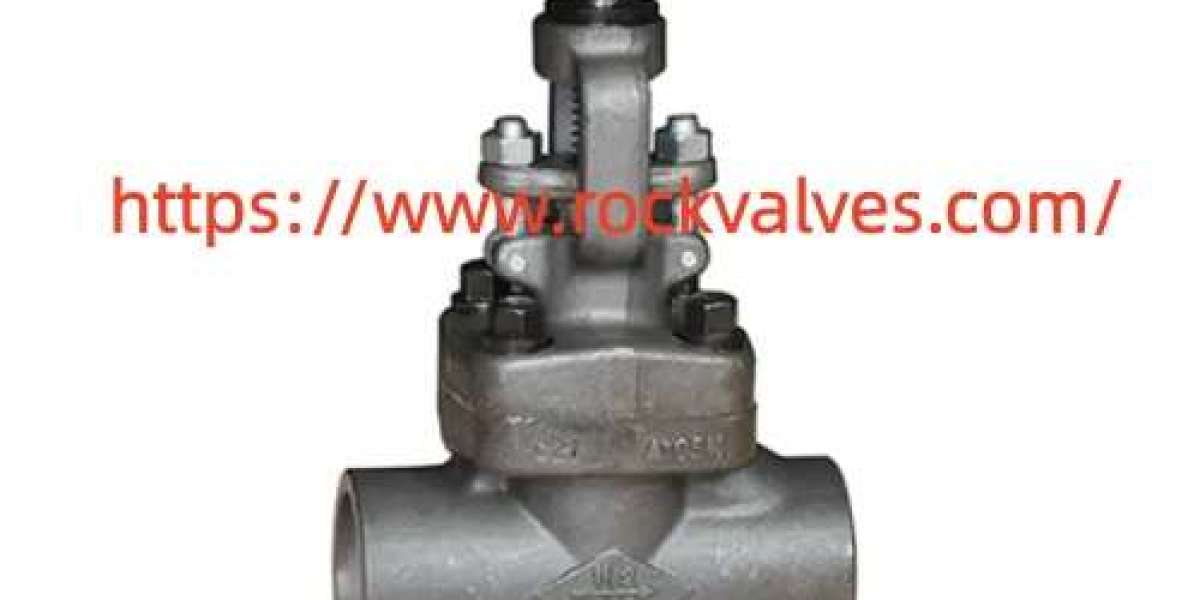

GB Standard Cast Steel Gate Valve selection should begin with the actual conditions of the pipeline rather than the product name alone. Different systems may transport water, steam, oil, gas, or other industrial media, and each application can place different demands on pressure capability, temperature range, sealing, materials, connection dimensions, and operating methods. For buyers, understanding these factors can make product evaluation more practical and help avoid selecting equipment that does not match the intended service.
One important consideration is the role of the equipment within the pipeline. Gate type designs are generally intended for isolation, allowing a line to be opened or shut rather than providing continuous flow adjustment. When the equipment is fully open, the internal passage can provide a relatively direct flow path. When closed, the closure element separates the upstream and downstream sides. This makes the design useful in systems where dependable isolation is an important part of operation.
The transported medium should also be considered before placing an order. Water systems may have different requirements from petroleum, natural gas, steam, or chemical processing lines. Material selection should therefore correspond with the fluid characteristics and operating environment. Buyers can review body material, internal components, sealing surfaces, stem materials, and packing arrangements with their engineering teams before confirming specifications. GB/T 12234, for example, covers technical requirements, materials, testing, inspection, marking, packaging, storage, and transportation for bolted bonnet steel gate equipment used in petroleum and natural gas industries.
Pressure and temperature are equally important. A pipeline operating under moderate conditions may require a different configuration from one exposed to higher pressure or elevated temperature. Buyers should check the required pressure designation, nominal size, operating temperature, and applicable material grade together instead of considering one specification separately. Published information for GB/T 12234 includes pressure designations from PN16 to PN420 and Class 150 to Class 2500 within its stated scope, illustrating why the project conditions should be confirmed before product selection.
Connection design is another practical factor. Flanged ends may be suitable for systems where installation and future maintenance require convenient disassembly, while welded connections can be considered for specific pipeline layouts and project requirements. The required face to face dimensions, flange dimensions, welding details, and related project specifications should be checked carefully so that the selected equipment can integrate with the surrounding piping.
Operating method deserves attention as well. Smaller installations may use manual operation, while larger or less accessible systems can require gear operation or another actuation arrangement. The available installation space, frequency of operation, accessibility, and maintenance plan can all influence this decision. A thoughtful selection process considers not only how the equipment will operate on the day of commissioning, but also how technicians will inspect and maintain it during the service period.
Quality documentation can also help buyers compare manufacturers. Useful documents may include material certificates, dimensional records, pressure test reports, inspection records, drawings, and product specifications. For projects involving multiple suppliers, consistent documentation can make technical review and procurement communication easier. Buyers should also confirm applicable inspection requirements before production so that expectations are clear between the manufacturer, contractor, and end user.
For distributors and engineering contractors, application flexibility can be another purchasing consideration. A supplier with experience across industrial pipeline projects may be able to communicate more effectively about dimensions, materials, connections, pressure requirements, and customization needs. Rockvalves focuses on industrial flow control products and can support buyers who need to match product configurations with specific project conditions.
The right purchasing approach is therefore based on application details rather than relying on a single specification. Reviewing medium, pressure, temperature, size, connection type, operating method, installation environment, documentation, and maintenance requirements gives buyers a clearer basis for comparison. It can also reduce communication gaps when technical teams, purchasing departments, and manufacturers are working on the same project.
For buyers preparing a new pipeline project or replacing existing equipment, product specifications should always be checked against the actual engineering requirements before ordering. You can review the available product range and application information at https://www.rockvalves.com/product/ and use those details as part of your technical evaluation. With careful specification matching, procurement teams can make a more informed decision for different industrial pipeline applications.