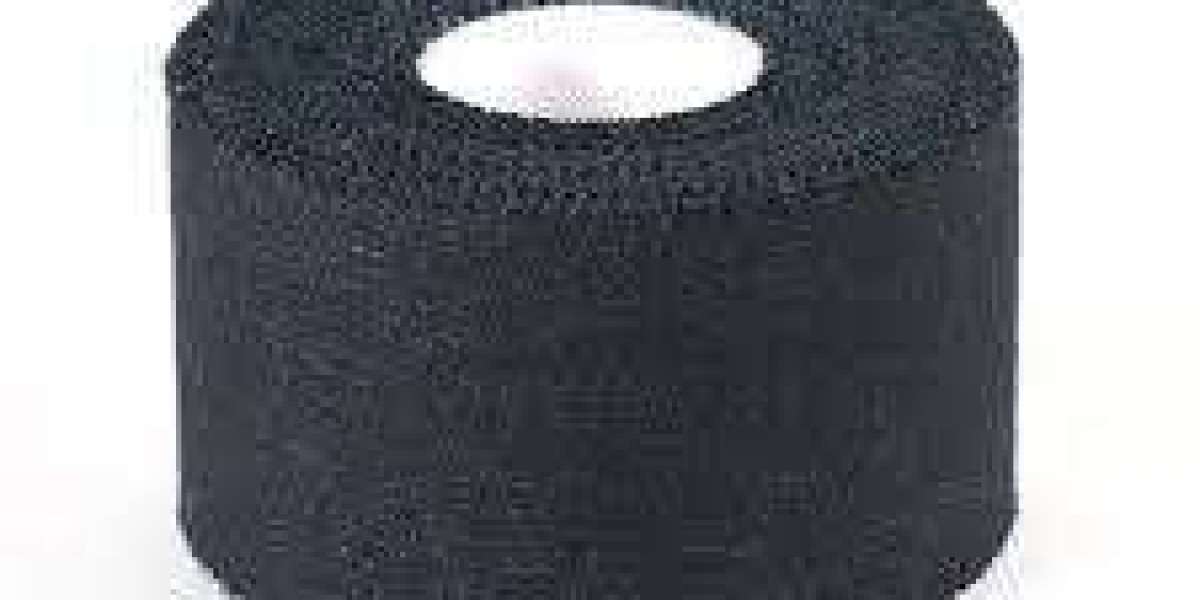

When sports tape is used during training, competition, rehabilitation, or equipment preparation, adhesive strength can influence how the material behaves once it has been applied. A tape that grips the surface appropriately needs to remain positioned without creating an unnecessarily difficult removal experience. This relationship becomes especially relevant when different athletes, sports, climates, and application methods are considered. As a manufacturer serving customized requirements, uhopemedical approaches Custom Sports Tape through factors such as material selection, adhesive characteristics, dimensions, and intended application, but how exactly does adhesive strength influence the behavior of sports tape?
Adhesion is not simply a question of making a tape stick as firmly as possible. The suitable level depends on the surface, fabric structure, movement pattern, duration of use, moisture exposure, and purpose of the tape. A rigid athletic tape intended for joint fixation may require a different adhesive balance from an elastic kinesiology tape designed to move with the skin. Treating every application in the same way can therefore overlook important differences between products.
The base material has a close relationship with the adhesive layer. Cotton, rayon, synthetic fibers, and blended fabrics can present different surface characteristics, flexibility, and moisture behavior. A smooth substrate may interact with adhesive differently from a textured fabric. The thickness of the material can also influence handling because the tape must remain practical to unwind, position, press, tear, and remove.
For rigid athletic tape, structural stability is an important consideration. Rigid tape is designed with little or limited elasticity and is commonly associated with joint fixation, sports support, dressing fixation, and rehabilitation applications. Uhopemedical's rigid sports tape range includes cotton-based constructions and adhesive options such as acrylic glue and hot melt glue, while supported specifications can be customized according to project requirements.
The surrounding environment can also change how adhesive performs. During physical activity, perspiration may accumulate around the application area, while repeated movement can create friction and changes in surface contact. Temperature and humidity may affect handling and storage as well. These factors mean that adhesive selection should be considered alongside the fabric and the intended environment rather than evaluated as an isolated specification.
Application technique also matters. Even an appropriately formulated adhesive cannot compensate for an unsuitable application surface. Dirt, oil, moisture, excessive hair, wrinkles, or uneven contact may interfere with attachment. A clean and dry surface generally provides a more consistent starting condition. For rigid tape, anchoring the initial section carefully and keeping subsequent strips aligned can also influence how the finished wrap behaves.
This is particularly relevant when a sports tape is developed for professional or commercial use. A buyer may not simply be purchasing rolls of adhesive material. The product may need to correspond with a particular sport, training environment, packaging concept, or private-label program. A manufacturer therefore needs to understand the purpose before recommending a construction.
Consider a sports brand preparing tape for football, volleyball, basketball, or general fitness applications. Each activity can involve different movement patterns and contact conditions. A football product may encounter frequent running and changes of direction, while a gym-oriented product may be handled under a different combination of sweat, friction, and equipment contact. The adhesive specification should therefore be discussed alongside the intended application rather than selected only from a general strength label.
Comfort is another part of the equation. A very aggressive adhesive may provide strong attachment, but attachment alone does not define a suitable sports tape. The interaction between adhesive, substrate, skin, removal method, and wearing period can influence the overall user experience. For products intended for repeated training sessions, buyers may pay attention to how easily the tape can be handled and removed as well as how consistently it remains positioned.
Material customization can create additional possibilities. Uhopemedical states that its customization service can address size, material, adhesive strength, and absorbency according to project requirements. Its sports tape range includes cotton sports tape, kinesiology tape, rigid athletic tape, hockey tape, and related products, giving buyers different starting points for discussing a product specification.
Color and presentation can also form part of a commercial project. Some buyers may require a specific appearance for private-label packaging, team use, retail presentation, or product differentiation. Uhopemedical lists sports tape products with custom color and size options, showing how physical specifications can be discussed together with presentation requirements.
Adhesive consistency during manufacturing deserves attention as well. Uneven coating can create differences between sections of a roll, while changes in the relationship between substrate and adhesive may affect unwinding, application, and surface contact. Production controls therefore need to consider coating uniformity, material preparation, storage conditions, packaging, and inspection procedures rather than focusing on a single adhesive measurement.
Sampling can be useful when a buyer is developing a customized sports tape. A sample gives both sides an opportunity to examine the fabric, surface feel, adhesive behavior, dimensions, tearing characteristics, and packaging concept before a larger production arrangement is finalized. This stage can also help identify whether the selected adhesive is appropriate for the actual application conditions.
For international buyers, communication is especially important because terms such as "strong adhesion" can mean different things depending on the product category and intended use. A useful specification should describe the expected application, substrate, dimensions, adhesive type, packaging format, and other relevant characteristics. Clear technical communication gives the manufacturer a practical basis for discussing feasible options.
The relationship between adhesive strength and sports tape is therefore one of balance rather than a simple pursuit of maximum grip. Fabric structure, adhesive formulation, surface condition, movement, moisture, application technique, storage, and intended use all contribute to the final behavior of the product. Buyers exploring rigid athletic tape, kinesiology products, or customized sports tape can review the available options at https://www.uhopemedical.com/, where Wenzhou Zhusi Medical Supplies Co., Ltd. presents its rigid sports tape range and customization capabilities. For businesses evaluating Custom Sports Tape, discussing adhesive requirements alongside the complete product specification can provide a clearer foundation for product development.