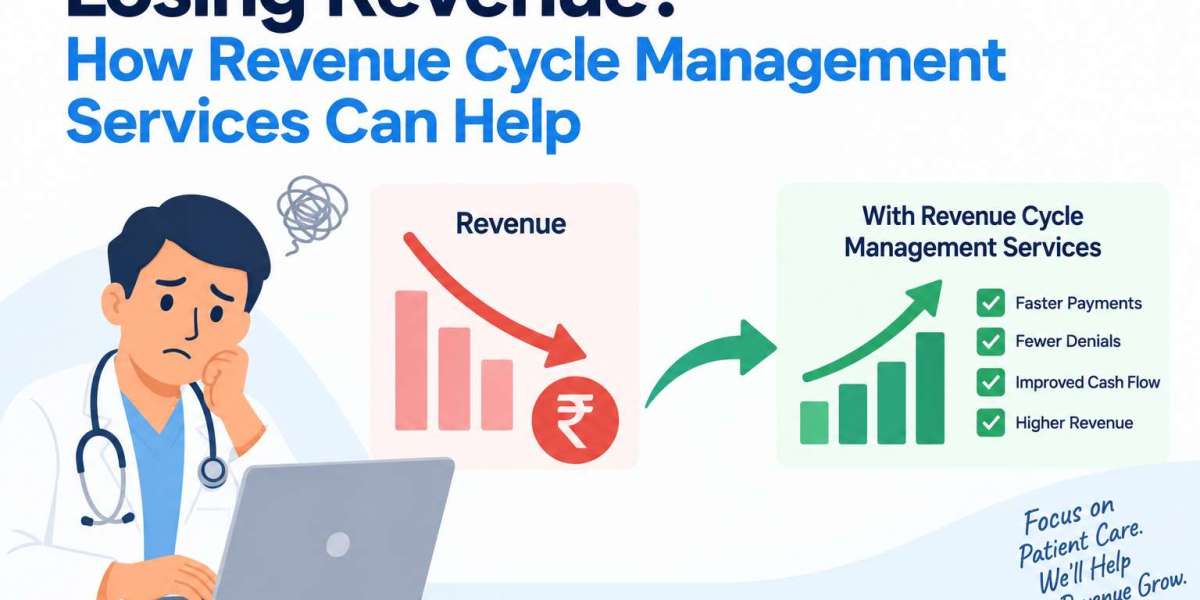

A healthcare practice can have a full schedule and still struggle to collect the money it has earned.
The problem is often not a lack of patients. Revenue can get delayed or lost because of incomplete information, claim errors, denials, slow follow-up, aging accounts, or gaps between different stages of the billing process. When these issues continue month after month, they can put pressure on cash flow and make financial planning harder.
This is where Revenue Cycle Management Services can make a difference. By giving closer attention to the financial work that happens before and after a claim is submitted, healthcare organizations can identify where revenue is getting stuck and take steps to improve the process.
Where Healthcare Revenue Can Get Stuck
Revenue does not move from a patient visit directly into a practice's bank account. Several steps take place in between, and problems at any stage can affect the final payment.
A claim may be delayed because information is missing. An insurance issue may result in a denial. A submitted claim may remain unresolved because nobody has followed up. Even after a payment is received, outstanding balances may still require attention.
When these smaller issues accumulate, the effect can become significant.
1. Unpaid Claims Are Aging
One of the clearest warning signs is a growing amount of older accounts receivable.
Some outstanding balances are expected, but accounts that remain unresolved for extended periods deserve attention. The longer a claim stays open, the more difficult it may become to determine what needs to happen next.
Regular A/R follow-up helps practices keep track of outstanding claims and identify accounts that require action rather than allowing them to sit unresolved.
2. Denials Are Reducing Collections
A denied claim does not always mean the revenue is permanently lost, but it does create another step before payment can be received.
The team may need to determine why the claim was denied, review the available information, make corrections when appropriate, and follow up with the payer. If denials are frequent, staff can spend a considerable amount of time dealing with the same types of problems.
Looking at denial patterns is particularly useful. If similar issues continue to appear, the practice may need to address what is happening earlier in the revenue cycle.
3. Claims Are Not Being Followed Up Consistently
Submitting a claim is only one part of the revenue cycle.
Claims can remain pending, require additional information, or need follow-up before they are resolved. Without clear ownership, some accounts can remain untouched longer than they should.
A dedicated revenue-cycle team can help maintain regular follow-up and keep unresolved claims visible to the practice.
4. Internal Staff Are Overloaded
Billing responsibilities can become difficult to manage when the same employees are also handling front-office work, patient communication, scheduling, or other administrative duties.
When staff are constantly moving between tasks, revenue-cycle follow-up may be delayed simply because there are not enough hours in the day.
Outsourcing selected RCM activities can take some of that workload away from internal employees and give them more time for their primary responsibilities.
5. Management Has Limited Visibility
Practice leaders need more than a monthly collection figure to understand how the revenue cycle is performing.
It can be useful to know how much A/R is outstanding, where denials are occurring, how claims are progressing, and whether collection performance is changing over time.
Without this information, it is difficult to know whether a revenue problem comes from claim submission, follow-up, denials, aging accounts, or another part of the process. Outsourced Month-End Review Services can provide additional financial review and help practices better understand their monthly financial position.
How Revenue Cycle Management Services Can Help
Professional RCM support can bring more consistent attention to the financial activities surrounding patient care.
Depending on the practice's requirements, Revenue Cycle Management Services may include billing, claims, denial management, collections, and A/R follow-up. The purpose is not simply to move more tasks outside the practice. It is to create clearer ownership and more consistent attention around revenue-cycle work.
For example, if a practice has a large number of aging claims, the focus may be on reviewing those accounts and improving follow-up. If denials are the bigger concern, the priority may be understanding recurring denial reasons and improving the related workflow.
The right approach starts with the actual problem.
What Should a Practice Measure?
Before making changes, it helps to establish a few basic performance measures.
Days in A/R
This shows how long money is generally remaining in accounts receivable. A rising figure can indicate that payments are taking longer to collect.
Denial Rate
Tracking denied claims can help the practice understand whether claim problems are becoming more frequent and which issues deserve closer attention.
Clean Claim Rate
A clean claim rate gives the practice an indication of how often claims are submitted without issues that could prevent or delay processing.
Net Collection Rate
This can provide a broader view of how effectively the practice is collecting the revenue it is entitled to receive after adjustments and other factors are considered.
These numbers are more useful when reviewed consistently rather than only when there is a noticeable cash-flow problem.
When Should You Consider Outsourcing?
Not every practice needs to outsource its entire revenue cycle.
However, outside support may be worth considering when aging A/R continues to grow, denials are taking too much staff time, claim follow-up is inconsistent, or the internal team does not have enough capacity to keep up with the workload.
It can also be useful when a practice is growing and wants additional revenue-cycle capacity without immediately building a larger internal department.
The goal should be to solve a specific operational problem and create a process that the practice can monitor.
Choosing the Right RCM Partner
If you decide to outsource, look beyond the price. Consider these factors before choosing an RCM partner:
Service Scope: Check which RCM services are included and whether they match your practice's needs.
Claims & Denials: Ask how the provider manages claims, denials, and unresolved accounts.
A/R Follow-Up: Understand how aging A/R is monitored and followed up.
Reporting: Find out which reports you will receive and how often performance will be reviewed.
Healthcare Experience: Choose a provider familiar with healthcare revenue-cycle operations and your type of practice.
Technology: Make sure the provider can work with your existing systems and processes.
Communication: Confirm who your main point of contact will be and how issues will be handled.
Clear Responsibilities: Define which tasks the outsourced team will manage and which responsibilities will remain with your internal team.
Final Thoughts
Revenue loss often comes from small issues that build up over time, such as unpaid claims, unresolved denials, or aging A/R. Once you identify where the problem is, Revenue Cycle Management Services can help bring more consistency to billing, claims, collections, and follow-up. For broader financial support, healthcare businesses can also consider Outsourced Bookkeeping and Accounting Services to keep their financial records organized and easier to manage.