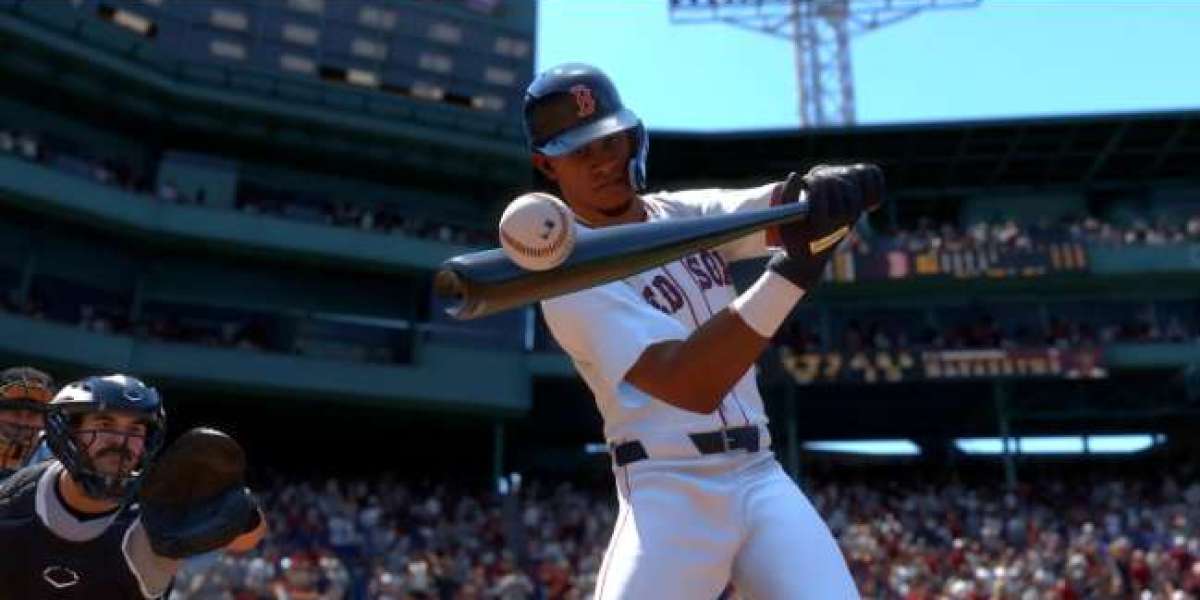

Chasing every premium card in Diamond Dynasty can burn a large share of a roster's resources for a small upgrade over players already performing well. The Legends and Flashbacks Collection asks a more useful question: does a flexible 99 OVR Ben Zobrist justify tying up cards and currency that could strengthen the lineup now? Check your inventory before spending MLB 26 stubs; the answer depends on how many of the 30 required vouchers you already hold.
What Does Zobrist Add Beyond His Rating?
Zobrist's strongest selling point is roster flexibility. A second baseman who can support different defensive arrangements gives you room to adjust around stronger bats, matchup needs, or a player's preferred lineup. That utility can last longer than a narrow boost to one position, especially once many teams already have high-rated hitters.
The hidden return is roster space. If Zobrist lets you cover multiple lineup needs without carrying a specialist for each one, the collection can improve how you build the whole team, not just one spot. Still, a 99 OVR label cannot answer whether his swing, attributes, and defensive options fit your approach. Compare those details with your current starter before committing.
Why the MLBx Program Is the Better First Stop
For a developing roster, the MLBx Program offers more immediate progress than pursuing an expensive missing voucher. Six Veteran Moments award 30 points in total, while missions for hits, home runs, PXP, and total bases can advance during ordinary games. Adrian Gonzalez arrives at 10 points, Ryan Howard at 30, Shane Victorino at 40, and Julio Franco at 60.
That makes the program a practical way to earn useful players while building toward a deeper collection. Stack eligible infielders and outfielders in your lineup, then let regular play advance several missions together. Do the Moments first for fixed progress, and avoid changing your lineup after every individual objective.
Which Route Fits Your Roster?
The overlooked option is patience: earn available program and mode rewards before buying Vintage cards. It lacks the instant appeal of filling a collection today, so players focused on a single headline reward often undervalue it. Its return is strongest early in the content window, when active objectives can still supply cards and experience. Newer players and anyone with a limited budget benefit most because they preserve currency and gain useful roster pieces along the way.
For context, the supplied Vintage collection data lists 27 of 32 cards collected, with estimated completion costs ranging from 13,507 to 183,921 Stubs. Those figures depend on timing and available cards, so they are not a guaranteed price. The comparison below frames the decision by roster state rather than assuming every player faces the same cost.
| Route | Best fit | Main tradeoff |
|---|---|---|
| Buy missing cards | Deep roster and near completion | Fast access with high cost |
| Earn program rewards | Newer teams and limited budgets | Slower progress with added players |
| Delay the collection | Teams with urgent lineup needs | More time before Zobrist |
Buying is the stronger choice when only a few affordable vouchers remain and Zobrist fills a real lineup gap. Earning and waiting win when several costly cards are missing or your roster needs upgrades elsewhere. The collection has long-term value, but not at any price.
Plan the Session, Not Just the Reward
Moonshot content, the September Spotlight Program, and Double XP Weekend give you additional activities during the same release window. Use them to pursue overlapping progress rather than repeating one mode solely for a single card. Keep collection goals separate from urgent lineup fixes, and reassess costs after earning rewards.
Complete the six MLBx Moments before spending currency on collection cards.
Use power hitters to advance home run and total base missions together.
Place eligible infielders and outfielders across the lineup to build PXP naturally.
Check each missing voucher against active rewards before buying it.
For established teams close to the requirement, Zobrist can be a worthwhile endgame addition if his versatility suits your roster. For everyone else, the efficient play is to earn first, compare the remaining cost, and protect resources for needs that affect every game. Treat MLB stubs as one part of that calculation, not the default path to completion.