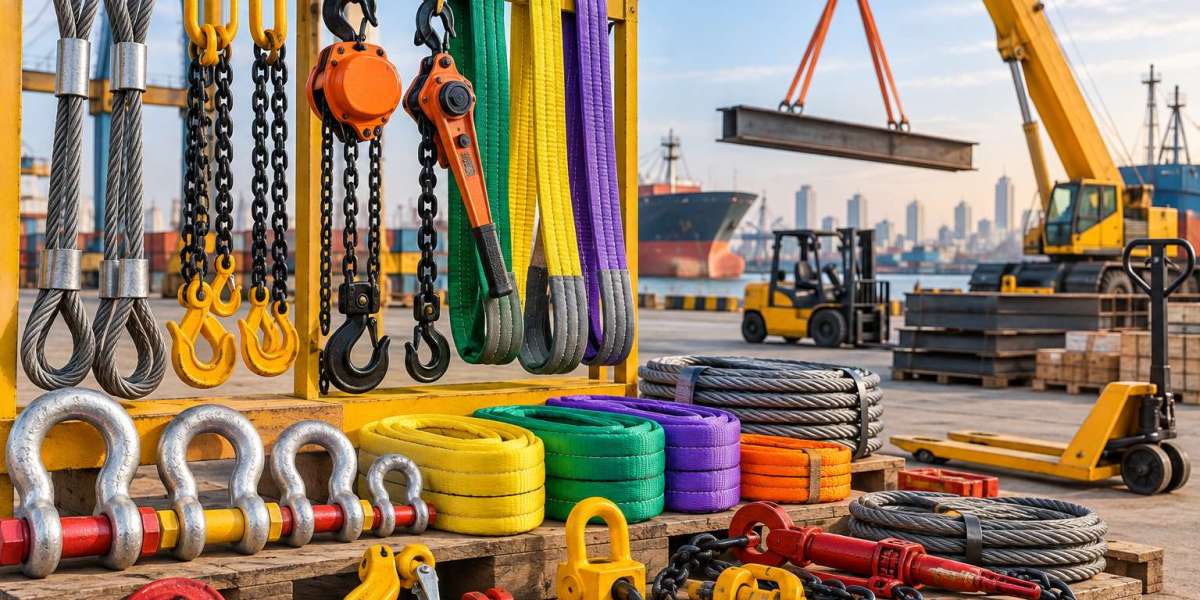

Heavy equipment, pipes, machinery, containers, tools, and other things are all moved during oil and gas activities. Lifting equipment is used in a variety of settings, including drilling sites, processing facilities, offshore platforms, and marine supply operations.
Because these locations may include big loads, hazardous areas, tough working conditions, and stringent safety regulations, selecting appropriate lifting equipment takes careful consideration. Buyers should look beyond the price and consider the equipment's capability, application, environment, certification, maintenance requirements, and supplier support.
If you're looking for a reputable lifting equipment supplier, here are a few things to think about before you buy.
1. Understand The Lifting Application
The first step is to understand exactly what the equipment will be utilized for. Cranes, hoists, winches, wire rope slings, chain slings, shackles, lifting beams, spreader bars, and other lifting equipment may be required during oil and gas activities.
Offshore cranes, for example, can be used to transport equipment between supply vessels and platforms, whilst hoists and winches are employed for more controlled lifting activities in limited spaces.
Before purchasing equipment, explain your specific application to the supplier.
2. Check The Required Load Capacity
Load capacity is one of the most significant considerations when buying lifting equipment. The equipment must be appropriate for the weight of the loads being handled and the manner in which they will be hoisted.
Don't choose equipment just primarily on its appearance or physical size. Check the manufacturer's rated capacity and ensure that the entire lifting system is appropriate for the planned load.
Consider lifting angles, dynamic loading, load distribution, and the combined capacity of connected components.
3. Consider The Working Environment
Oil and gas installations might face difficult operational conditions. Equipment may be subjected to heat, moisture, salinity, dust, chemicals, vibration, or outdoor environments.
Offshore operations can be especially challenging since lifting equipment is exposed to sea environments and vessel movement.
Discuss the working environment with your lifting equipment supplier to ensure that the equipment you choose is suitable for the conditions under which it will function.
4. Pay Attention To Hazardous Areas
Some oil and gas installations have places where combustible gasses or vapors could be present. Equipment used in such situations may be required to meet particular hazardous-area operating standards.
Depending on the application, purchasers may want equipment that has been built or certified for the specific hazardous environment. Pneumatic or suitably rated equipment may be utilized for specific applications.
The hazardous-area classification of the site, as well as any applicable legislation and standards, should be used to identify the exact requirements.
5. Inquire About Certification And Documentation
Certification and documentation are critical requirements for oil and gas lifting equipment. Before making a purchase, get appropriate technical specifications, inspection records, certificates, test documents, and any applicable compliance information.
The required documentation varies according to the equipment, project, location, and applicable requirements.
Good documentation also helps maintenance personnel track equipment and prepare for inspections or audits.
6. Consider Equipment Construction And Materials
The design and materials used in lifting equipment can impact its performance and durability.
For example, equipment utilized in maritime or offshore conditions may require adequate corrosion protection. Components exposed to extreme circumstances should be chosen based on the manufacturer's specifications and the planned working environment.
Inquire with your supplier about the materials, coatings, protective treatments, and design options available for your specific application.
7. Evaluate The Inspection And Maintenance Requirements
Lifting equipment should not be acquired and then ignored. Regular inspections and maintenance are critical components of controlling lifting equipment over its entire service life.
Inspections can reveal issues like wear, deformation, corrosion, broken components, and other situations that could jeopardize safe operation. Oil and gas activities frequently require systematic inspection and certification procedures for lifting equipment.
Before buying, inquire about suggested inspection intervals, maintenance techniques, spare parts, and service support.
8. Consider Manual And Powered Options
Different types of lifting equipment may be more appropriate for certain applications. Manual chain hoists can be beneficial for certain controlled lifting operations, but electric or pneumatic hoists may be more suited for frequent lifting or specific working circumstances.
The decision should be based on load frequency, available power, hazardous-area requirements, lifting height, workspace, and operational demands.
Automation and mechanical handling solutions can also eliminate the requirement for manual handling in some oilfield operations.
9. Check Compatibility With Existing Equipment
When buying replacement or additional equipment, compatibility is critical. Slings, shackles, hooks, hoists, cranes, lifting beams, and other components frequently function together as part of a single lifting system.
Before placing an order, check the dimensions, capacity, connecting points, operating requirements, and manufacturer recommendations.
A knowledgeable lifting equipment supplier can assist with reviewing these requirements and identifying relevant goods.
10. Compare Suppliers Beyond Price
While price is a significant issue when choosing oil and gas lifting equipment, it should not be the only one.
Compare vendors based on their product quality, technical expertise, certification, paperwork, availability, delivery capability, after-sales service, and experience with industrial or oil and gas applications.
A supplier who knows operational requirements can streamline the purchasing process and assist firms in selecting equipment that meets their specific demands.
Why Is Proper Equipment Selection Important?
Lifting equipment is a critical component of oil and gas material handling. Cranes, hoists, winches, slings, shackles, and lifting beams can help transfer heavy goods between onshore and offshore facilities.
Choosing appropriate equipment can help to improve operational efficiency while also making inspection, maintenance, and compliance management easier. It is also critical to ensure that workers are adequately trained and that lifting activities adhere to the appropriate site rules and standards.
Final Thoughts
When selecting lifting equipment for oil and gas applications, consider the intended use, load capacity, working environment, hazardous-area standards, certification, materials, maintenance, and equipment compatibility.
Before placing an order, provide your lifting equipment supplier with detailed information about the application and operating conditions. This enables the supplier to recommend equipment suitable for the specified usage.
By prioritizing quality, technical suitability, documentation, and long-term support over pricing, oil and gas companies may make more informed purchasing decisions and better manage their lifting equipment throughout its working life.