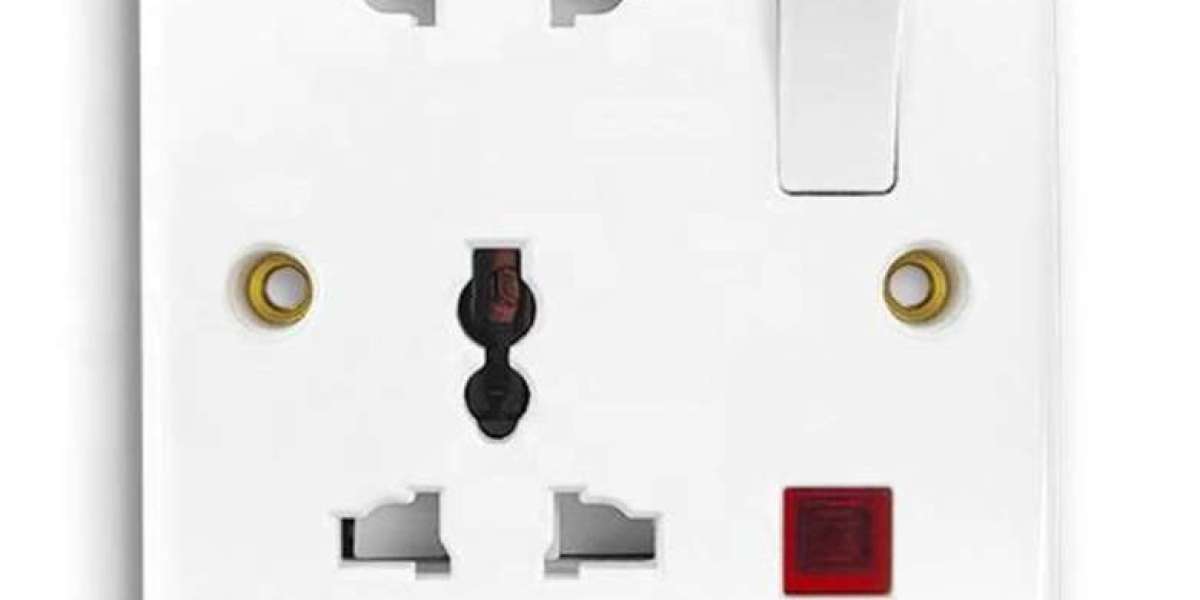

The growing complexity of electrical and electronic equipment is creating new requirements for materials that can combine safety, performance, durability, and manufacturing flexibility. Plastics have become an important part of this transformation because they can be molded into intricate shapes while providing useful electrical insulation and resistance characteristics. From consumer electronics and communication equipment to industrial systems and electrical infrastructure, polymers are increasingly integrated into components that support reliable product performance.
According to a recent report by Wise Guys Report, the plastics in the electrical and electronic market is gaining attention as technological development increases the need for advanced polymer solutions. The growing adoption of compact electronic products is encouraging manufacturers to examine materials that can support miniaturization without compromising structural integrity.
Growing Role of Engineering Plastics
Engineering plastics are particularly valuable when electrical components require a combination of dimensional stability, mechanical strength, thermal resistance, and insulation. Materials such as polycarbonate, polyamide, ABS, polypropylene, and specialized high-performance polymers can be tailored for different applications.
Electrical housings, connectors, switches, cable components, circuit-related parts, and protective enclosures can benefit from polymer materials. Their flexibility also allows manufacturers to develop complex geometries that would be more difficult to produce using traditional materials.
Electronics Miniaturization Creates Opportunities
Modern electronic products continue to emphasize compact designs. Smartphones, wearable devices, computing equipment, communication hardware, and smart appliances require smaller components that fit into increasingly constrained spaces.
Plastics can support this trend through injection molding, precision processing, and lightweight construction. Manufacturers can integrate multiple design features into molded components, reducing assembly complexity in selected applications.
Miniaturization also creates greater attention toward thermal and electrical performance. Polymer developers are therefore working on formulations that can withstand demanding operating environments while maintaining dimensional stability.
Importance of Electrical Safety
Electrical insulation remains one of the most important functions of plastics in the sector. Polymer materials can help isolate conductive components and reduce the possibility of unintended electrical contact.
Cable insulation, connector bodies, electrical housings, terminal components, and protective structures are examples of areas where insulation properties are important. Fire performance and heat resistance can also influence material selection, especially in applications exposed to elevated temperatures or demanding operating conditions.
Sustainability Becomes More Important
Environmental considerations are increasingly influencing material development. Electronics manufacturers are examining recycled plastics, improved recovery methods, and material designs that can support more efficient end-of-life management.
The recycling of plastics from electrical and electronic equipment remains technically challenging because components may contain additives, multiple polymer types, and other materials. Research into separation, treatment, and reuse is therefore becoming increasingly relevant to the industry.
Future Market Development
The continued expansion of electronic equipment, digital infrastructure, smart devices, and electrical systems is expected to create opportunities for specialized plastics. Material suppliers are likely to focus on higher-performance grades, improved processing characteristics, flame-resistant solutions, and more sustainable alternatives.
As product designers demand greater functionality from smaller components, plastics will remain an important material category within the electrical and electronics value chain. The market's future will depend on how effectively manufacturers balance performance, cost, safety, recyclability, and production efficiency.