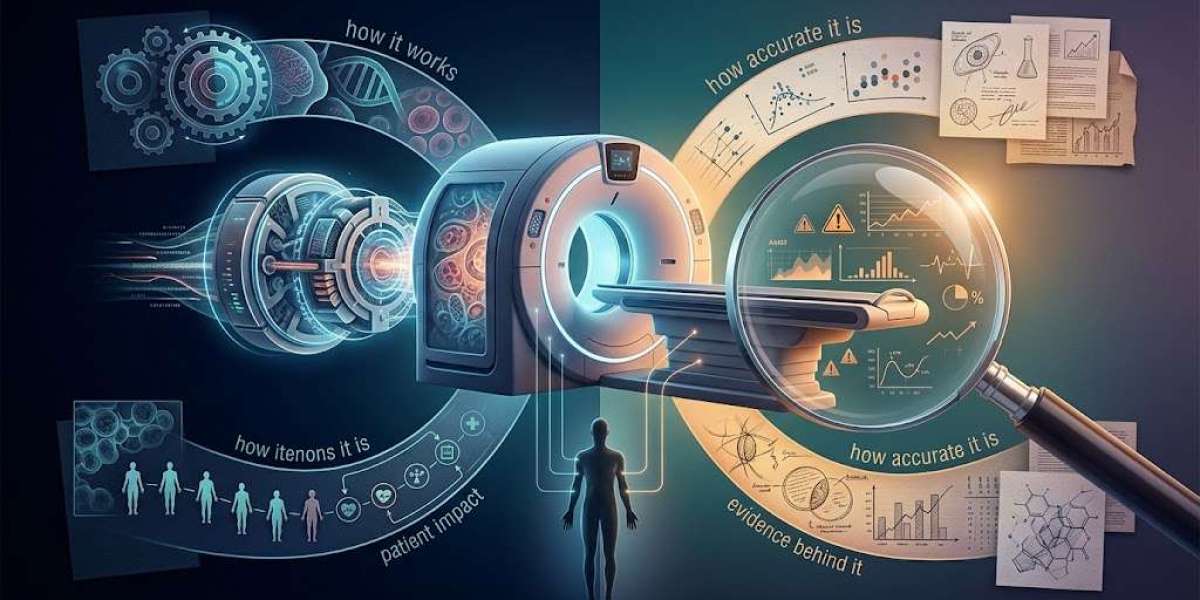

A medical technology can be easy to describe and surprisingly difficult to evaluate. You can explain how a device works, list its features and describe where it is used, yet still leave the most useful question unanswered: how much can we actually trust it, and why does that matter?
That is where a strong assignment moves beyond description. The science needs to connect with evidence, clinical purpose, limitations and the patient experience. For students studying biomedical science, medical technology or healthcare technology, those connections are often where genuine analysis begins.
Understanding the Topic
Medical technology covers a wide range of areas, including diagnostic imaging, laboratory testing, monitoring equipment, implants and digital healthcare systems. Before researching one, establish exactly what it is designed to do and what healthcare problem it is intended to address.
Consider a diagnostic test. You might explain the biological mechanism, describe the equipment and show how a result is produced. But what if the result is wrong? Suddenly, more useful questions appear. How sensitive is the test? What could produce a false result? Does performance change between different patients or settings?
That shift from how something works to what its results actually mean becomes increasingly important at later undergraduate level. Master's work generally demands even more critical attention to evidence, limitations and alternatives, although assessment expectations vary by module.
Common Problems or Concerns
One of the easiest mistakes is assuming that an advanced technology must automatically be clinically effective. Technical sophistication and clinical usefulness are not the same thing.
Students can also use terms such as accuracy, reliability and effectiveness as though they are interchangeable. They are not. Depending on the technology and research question, measures such as sensitivity, specificity, precision or reproducibility may be more relevant.
Context matters as well. Sample quality, patient characteristics, operator technique, calibration and the environment in which a technology is used can all influence its performance.
There is another common assumption worth questioning: newer does not necessarily mean better. An established technology may have limitations while also having a larger evidence base and a well-understood role in practice. The academic task is to examine what the evidence supports, rather than choosing the option that sounds most advanced.
Key Theories or Concepts to Know
A useful way to organise your thinking is through four questions: How does it work? How well does it work? What is it used for? What happens because of its use?
The first concerns the scientific principle, such as a biochemical reaction, imaging process, electrical signal or software-based analysis. Explain enough to demonstrate understanding without allowing technical background to take over the assignment.
The second concerns performance. Depending on the technology, relevant evidence may involve accuracy, sensitivity, specificity, reliability or reproducibility. The terminology should match the question rather than being added simply to make the writing sound academic.
The third brings the technology back to its clinical purpose. A measurement matters because it may support diagnosis, monitoring, treatment or another healthcare decision.
The final question considers consequences. Patient experience, safety, accessibility, training, workflow, cost and data handling may all matter, depending on the technology.
Key Factors to Consider
Evidence should matter more than the number of sources collected. Manufacturer information may explain what a technology is designed to do, but independent research is needed to understand how it performs. Peer-reviewed studies, systematic reviews, professional guidance and relevant health-technology sources can all contribute different forms of evidence.
This is where medical technology assignment help can easily be misunderstood. The useful part of researching a difficult topic is not simply finding more information. It is working out which evidence matters, what its limitations are and how confidently it answers the assessment question.
Imagine a hospital introducing a new monitoring device. It may produce readings quickly and with impressive precision. However, if movement affects the readings, staff need extensive training or access is difficult in certain settings, those details change the wider evaluation. They do not automatically make the technology unsuccessful; they show where its practical strengths and weaknesses lie.
Patient implications should also be considered where relevant. These might involve privacy, discomfort, invasiveness, radiation exposure, accessibility, consent or the consequences of an incorrect result. Regulatory requirements can also vary according to the technology, purpose and jurisdiction.
Practical Guidance
Start with the assessment question before searching for sources. If you have been asked to evaluate a technology, spending most of the word count explaining its history will not necessarily answer the task. If comparison is required, describing two technologies separately is not enough; you need to compare meaningful factors.
A focused research process can help:
Define the technology and the problem it addresses.
Explain the scientific principle at the appropriate depth.
Find evidence about actual performance.
Identify limitations and conditions affecting results.
Consider relevant alternatives.
Explore patient and clinical implications.
Check each section against the assessment question.
When taking notes, record three things beside useful sources: what the source claims, what supports that claim and what limits it. This makes critical writing easier because you are less likely to remember a positive finding while forgetting the conditions attached to it.
Mistakes to Avoid
Avoid turning the assignment into a product description. Listing components and specifications demonstrates research, but not necessarily critical understanding.
Be careful with broad claims based on narrow evidence. If a study examines a particular population or controlled environment, its findings should not automatically be applied everywhere. A limitation does not make evidence useless; it tells you how far the finding can reasonably be taken.
Superficial comparison is another problem. Saying that one technology is “better” means little without explaining better in what respect. Accuracy, accessibility, invasiveness, speed and practical usefulness may point in different directions.
Ethics should not simply appear as a final checklist. If privacy matters because patient data are collected, or safety matters because an incorrect result could affect treatment, connect the issue directly to the technology being discussed.
Bringing the Main Lessons Together
The most useful question to keep asking is: what does this technology allow healthcare professionals to know or do, and how confidently can they rely on it?
That question naturally connects the science with performance, evidence, limitations and real healthcare consequences. It also keeps the assignment focused on understanding rather than simply collecting facts.
Before submitting, look at each paragraph and ask whether it only describes something or explains why that information matters. Technical knowledge is necessary, but it becomes much more valuable when you can question the evidence, recognise uncertainty and explain what the findings mean in practice.
That is what turns a medical technology assignment from a description of a device into a thoughtful piece of academic analysis.