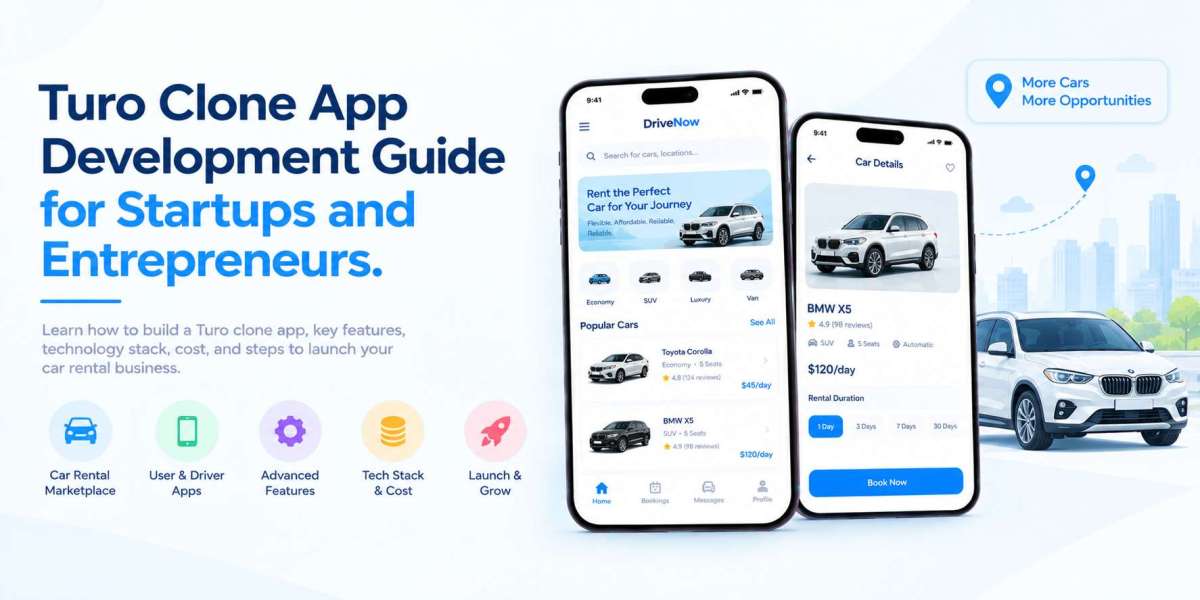

The peer-to-peer car rental market has created new opportunities for entrepreneurs who want to build digital platforms that connect vehicle owners with people looking for convenient transportation. A Turo clone app provides a ready-made concept for launching a car-sharing marketplace where users can list, discover, book, and rent vehicles through a mobile application.
For startups, developing a platform based on this business model can be a practical way to enter the online car rental industry. However, success depends on more than simply replicating an existing app. The platform should offer a smooth user experience, reliable features, strong security, and a business model suited to the target market.
How Does a Turo Clone App Work?
A typical peer-to-peer car rental app connects two primary groups: vehicle owners and renters. Owners can create profiles, upload vehicle details, set rental prices, manage availability, and respond to booking requests. Renters can search for cars, compare listings, select dates, make payments, and communicate with owners.
An administrator manages the marketplace through an admin dashboard, where they can oversee users, vehicles, bookings, payments, disputes, reviews, and platform activity.
Essential Features to Include
A successful car rental marketplace should provide useful features for every participant. Some important functionalities include:
- User registration and profile management
- Vehicle listing and image upload
- Advanced car search and filtering
- Real-time vehicle availability
- Online booking and payment
- GPS and location-based services
- In-app messaging
- Booking and cancellation management
- Ratings and reviews
- Notifications and reminders
- Admin dashboard and reporting
Additional features such as digital identity verification, smart pricing, insurance-related options, and keyless vehicle access can further improve the platform depending on the business requirements.
Choosing the Right Technology
The technology stack plays an important role in car rental app development. Startups should select technologies that support scalability, security, and reliable performance. A combination of modern mobile frameworks, cloud infrastructure, secure databases, payment gateways, mapping services, and notification systems can help create a flexible platform.
The technology requirements may vary depending on whether the business plans to launch on Android, iOS, or both platforms.
Turo Clone App Development Cost
The cost of developing a Turo clone app depends on several factors, including the number of features, design complexity, technology stack, development location, integrations, and customization requirements. A basic MVP can be developed with essential marketplace functionality, while an advanced platform may require additional investment in automation, analytics, security, and third-party integrations.
For startups, beginning with an MVP can help validate the business concept before investing in advanced features.
Building a Sustainable Business Model
A peer-to-peer car rental platform can generate revenue through different approaches, including booking commissions, service fees, subscription plans, featured vehicle listings, and other marketplace-related charges. The right car rental business model should be selected based on the target audience, local market conditions, and operating costs.
Final Thoughts
Launching a Turo clone app can give startups a strong foundation for creating their own car-sharing marketplace. The key is to focus on user convenience, secure transactions, trustworthy vehicle listings, and a scalable technical foundation. SpotnRides helps businesses explore customized solutions for building feature-rich car rental and peer-to-peer mobility platforms tailored to their specific business requirements. With thoughtful planning, the right technology partner, and continuous improvements based on customer feedback, entrepreneurs can build a platform designed around the needs of their target market.