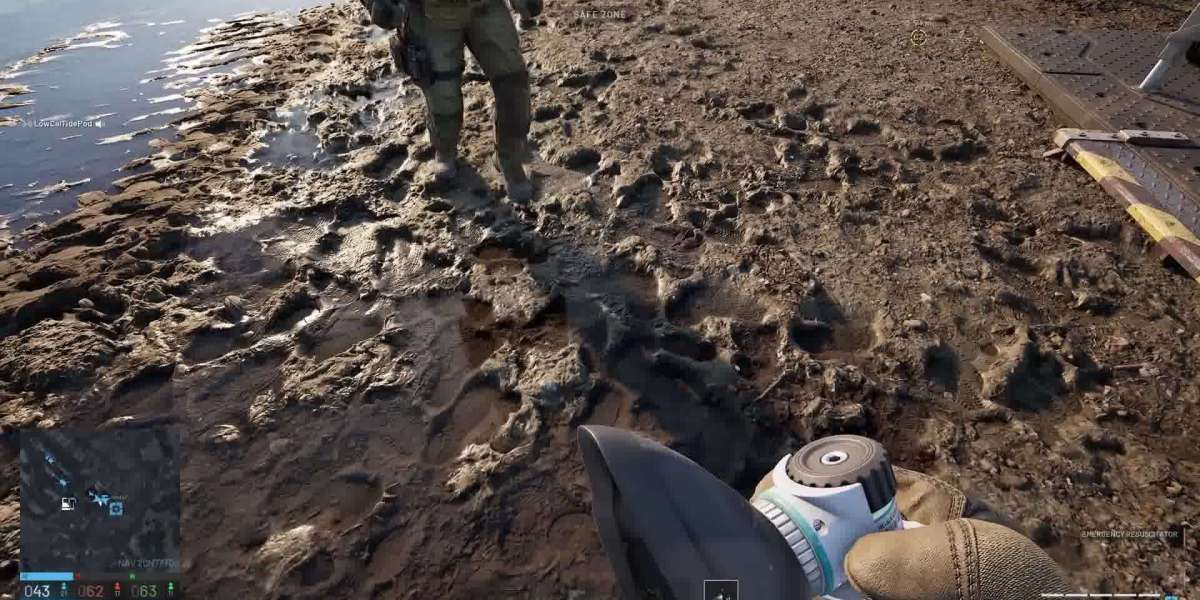

WARDOGS Medic progression is built around making the entire squad more effective, not simply staying behind the frontline and waiting for someone to need healing. Players interested in Wardogs Boosting can use the role to develop strong habits around positioning, awareness, resource control, and timing. A Medic who understands where support is needed before a fight becomes chaotic can have a major influence on the outcome of an engagement.
Medical support becomes especially valuable when battles last longer and several players begin competing for the same objective. Keeping key teammates active can preserve attacking pressure, protect defensive positions, and prevent a small setback from turning into a complete collapse. The challenge is learning how to provide that support without becoming an easy target yourself.
Understand Where Your Value Is Highest
A Medic does not need to help every teammate equally.
The most valuable player to support is often the one whose survival directly affects the current objective. A teammate leading a push, holding an important angle, or protecting a critical route may deserve faster attention than someone who is temporarily separated from the main battle.
Think about the larger situation before moving.
If your squad is trying to capture an objective, staying close to the players creating pressure may be more useful than following someone who has already moved far away. This allows your support actions to contribute directly to the team's current goal.
Read the Frontline Before Moving Forward
Medic players should constantly monitor how the frontline is changing.
When teammates begin advancing, prepare to move with them. When the attack slows down, avoid running into the same danger simply because other players are still fighting. If the enemy starts gaining ground, find a position that allows you to support a retreat.
This creates a flexible support zone rather than a fixed position.
The best Medic location can change several times during a single engagement. Staying aware of those changes helps you reach teammates faster while reducing unnecessary exposure.
Treat Downed Players as Tactical Decisions
Seeing a downed teammate does not automatically mean you should sprint toward them.
First consider why they went down. If enemies are still controlling the surrounding area, an immediate rescue may be extremely dangerous. If friendly players are suppressing the area or the enemy has moved away, the opportunity may be much safer.
Look for cover and identify where you can move after completing the revive.
A successful rescue should ideally return both players to a playable position. Running into open ground, completing a revive, and immediately getting eliminated provides very little long-term value.
Protect the Medic Role Itself
A squad cannot benefit from medical support if the Medic is constantly eliminated.
Avoid positioning yourself so far forward that you become the easiest target. At the same time, staying too far behind can make your support practically useless.
A useful position often sits just behind the most aggressive players, where you can observe the fight while maintaining access to cover.
This position gives you several options. You can move toward an injured teammate, assist with a push, fall back during an enemy counterattack, or rotate toward another part of the objective.
Make Support Resources Count
Medical resources should be treated as a limited tactical advantage.
Small amounts of damage do not always require immediate attention if the squad is currently safe and a larger engagement is about to begin. Likewise, spending everything during the first fight can leave you unprepared when multiple teammates become injured later.
Watch the overall condition of the squad.
If several players are already damaged, prioritize the situations where your support can keep the team operational. Good resource management allows a Medic to contribute throughout an extended battle instead of becoming ineffective after one major exchange.
Stay Mobile Between Engagements
A Medic should not spend an entire match standing beside the same teammate.
Once an area becomes stable, reassess the battlefield. Another part of the objective may now need assistance. A teammate may have moved into a new building, or the enemy may have started attacking from a different direction.
Short rotations can keep your support coverage relevant.
Movement also makes you harder to predict. If opponents know exactly where the Medic is located, they may attempt to eliminate you before attacking the rest of the squad.
Keep Enough Combat Ability to Survive
Support specialization does not remove the need for personal defense.
You will eventually be caught without nearby teammates, encounter an enemy while rotating, or need to protect yourself during a revive. Your weapon and equipment should therefore give you enough combat capability to survive common encounters.
Choose equipment that matches the environments where your squad normally operates.
If most engagements happen around objectives, a setup that works reliably at practical combat distances may be more useful than equipment designed for situations you rarely encounter.
The objective is balance: support the squad without becoming completely dependent on someone else for protection.
Turn Information Into an Advantage
Medic players naturally gather useful information because they are constantly watching friendly positions.
Use that information to anticipate where the next fight will happen.
If several teammates are moving toward the same area, prepare for a larger engagement. If one side of the squad suddenly becomes quiet, check whether the frontline has moved or whether an enemy rotation is taking place.
You can also recognize when your squad is becoming too spread out.
Instead of trying to follow every player, identify the group that is most important to the current objective and establish your support position around them.
Know When Support Should Become Defense
There are moments when continuing to advance is less valuable than preserving the position your squad already controls.
If teammates have secured an important area, the Medic can help stabilize it by staying within support range and preparing for the expected counterattack.
This changes your role from offensive support to defensive support without requiring a complete change in equipment.
The same principle applies during a retreat. If the squad is losing ground, your priority may become keeping enough players active to reach a safer position rather than attempting to restore the original frontline immediately.
Use Progression Milestones to Guide Your Matches
Players who want to buy Wardogs Boosting should know what kind of Medic progression they are trying to achieve.
A milestone might involve reaching a certain level, obtaining a useful piece of equipment, improving support efficiency, or simply becoming more reliable during large objective fights.
This gives your matches a measurable purpose.
Instead of judging a session only by eliminations, consider how often you remained alive during important engagements, how effectively you supported key teammates, and whether your decisions helped the squad maintain control.
Those measurements are much more relevant to the Medic role.
Learn From Failed Support Attempts
Not every failed revive or rotation means you made the wrong decision.
Sometimes the attempt was correct but the timing was poor. Other times you may discover that you approached from an exposed direction or committed before enemy pressure had weakened.
Use these failures to refine your future decisions.
If a particular objective repeatedly makes reviving dangerous, look for another angle. If you are frequently eliminated while moving between teammates, reconsider the routes you use. If your resources disappear too quickly, change when and where you spend them.
Small adjustments can gradually make your entire support routine more efficient.
Build a Support Cycle That Lasts
A strong Medic progression loop can be based on four simple ideas: identify the important part of the battlefield, establish a safe support position, assist teammates when the opportunity is favorable, and relocate when the frontline changes.
This keeps the role active without encouraging unnecessary risks.
For players considering Wardogs Boosting service service, that consistency is particularly valuable. Medic progression does not require constant high-kill performances. It rewards players who stay alive, make useful support decisions, preserve resources, and remain connected to the squad throughout important stages of a match.
The Medic role can quietly determine how long a squad remains effective in WARDOGS. Once you learn to anticipate danger, prioritize the right teammates, manage support resources, and adapt your position as the battle develops, every match can become a more reliable opportunity for progression.