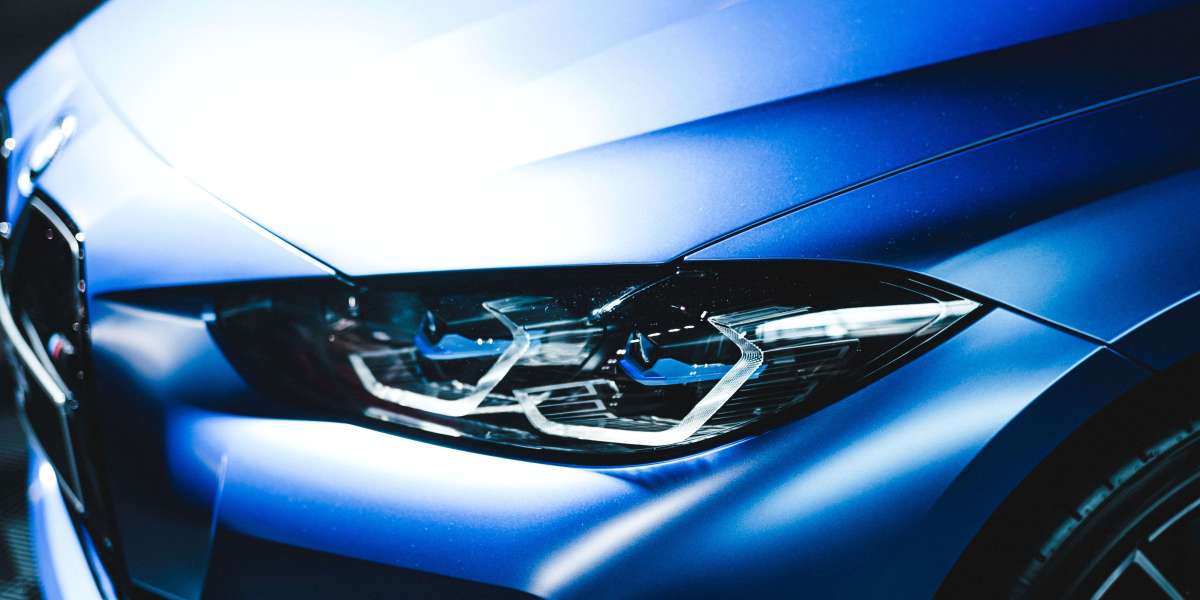

Vehicle owners who want both the depth of a metallic paint finish and genuine physical protection are increasingly turning to ppf protection film formulated with metallic flake pigments and a hydrophobic topcoat, a combination that delivers sparkle, color, and easy maintenance in a single application. Understanding how metallic flake is embedded in the film, what the hydrophobic layer actually does, and where the technology has limits helps buyers choose a finish that looks exceptional on day one and continues to perform years later.
How Metallic Flake Is Built Into the Film
Metallic color PPF starts with the same thermoplastic polyurethane base used in clear protective film, but microscopic metallic or pearlescent particles are dispersed within the color layer so that light is reflected back from different depths and angles. This is what creates the shimmering, dimensional quality associated with factory metallic paint, where the surface seems to shift in tone as sunlight moves across a curved panel. The flake size and density determine the character of the finish, with finer particles producing a smooth, liquid metal look and larger particles creating a more pronounced sparkle that stands out in direct sun. Because the pigment sits beneath a clear protective topcoat rather than on the surface, it stays protected from washing and abrasion, which is a major reason metallic PPF holds its appearance longer than many surface-applied alternatives.
The Role of the Hydrophobic Topcoat
The hydrophobic topcoat is a thin surface layer engineered to repel water, causing rain and wash water to bead and roll off rather than spreading across the panel. This matters for more than appearance. Water that sheds quickly carries dust, road film, and light contamination away with it, which means the film stays cleaner between washes and takes less effort to restore when it does get dirty. On metallic finishes in particular, a clean, well-sheeting surface keeps the flake effect crisp, because a layer of grime dulls the reflections that make the finish attractive. The same topcoat typically contributes to stain resistance, helping the film shrug off bug residue and bird droppings that might otherwise etch into an unprotected surface if left in place.
Self-Healing Performance on Flaked Finishes
Most premium metallic PPF retains the self-healing characteristic found in clear film, meaning light swirl marks and fine surface scratches can recover when warmed by sunlight or warm water. Because metallic finishes scatter light heavily, they are naturally better at hiding minor imperfections than a plain dark gloss would be, and the healing topcoat reduces the visibility of those marks even further. It is worth understanding the boundary of this ability: healing addresses disturbance of the surface layer only, and a scratch deep enough to cut through the topcoat will not recover on its own. Owners should treat self-healing as protection against everyday wear rather than a guarantee against significant impact damage.
Installation Challenges Specific to Metallic Film
Applying metallic PPF demands more care than clear film because the flake has a directional quality that can look uneven if panels are cut and stretched inconsistently. Installers typically plan each panel so the film is oriented the same way across the vehicle, keeping the metallic effect uniform from bonnet to doors to rear quarters. Over-stretching the film around tight curves can also distort the flake pattern and create visible color variation, so an installer experienced with colored film will use heat and tension carefully and may wrap edges rather than leaving seams in prominent locations. Choosing a specialist with documented colored PPF experience matters more here than with clear film, since any inconsistency is far easier to see in a flaked finish.
Maintenance to Keep the Finish Performing
Metallic PPF with a hydrophobic topcoat is straightforward to maintain provided the right habits are followed. Regular gentle washing with a pH-neutral shampoo and a soft microfibre mitt preserves both the topcoat and the flake appearance, while harsh solvents, abrasive polishes, and high-pressure jets aimed directly at film edges should be avoided. Sealants designed to complement PPF can refresh the hydrophobic effect over time, but owners should check compatibility with the film manufacturer before applying anything, since some products can interfere with the topcoat or leave residue that dulls the metallic sparkle.
Frequently Asked Questions
Does the metallic flake affect how well the film protects the paint?
No, the protective performance comes from the thermoplastic polyurethane structure, and the flake pigment is built into the color layer without reducing impact or abrasion resistance.
How long does the hydrophobic topcoat keep working?
Performance gradually fades with washing and sun exposure, but regular maintenance and compatible sealants can extend the water-repelling effect considerably.
Can scratches be repaired on metallic colored PPF?
Light surface scratches and swirl marks can often recover through the self-healing topcoat when heated, while deeper scratches that cut through the topcoat typically require professional repair or panel replacement.
Is metallic PPF harder to install than clear film?
It generally requires more skill because flake orientation and color consistency must be managed across panels, so an installer with specific colored film experience is the safer choice.
Will metallic PPF fade in strong sunlight?
Quality films use UV-stabilised pigments and topcoats to resist fading, though ask about UV testing and warranty terms for the specific color you are considering.