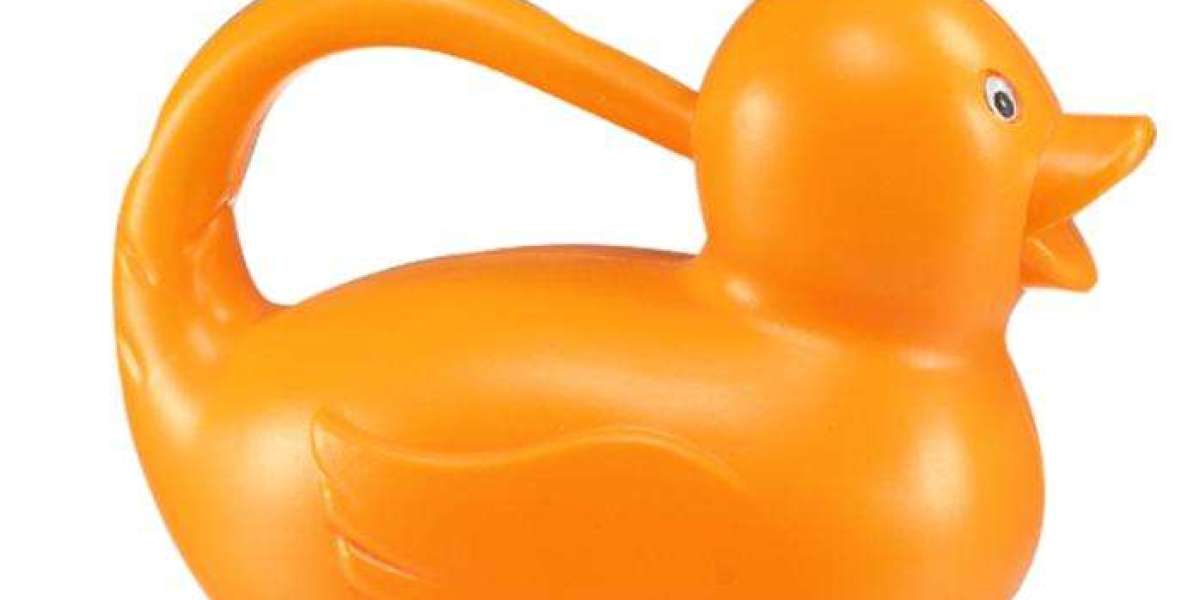

A Plastic Watering Can is a simple tool, but its shape and capacity influence how it works in everyday settings. A small can may suit windowsill plants or beginner gardening activities, while a larger one can reduce the number of refills needed for outdoor beds. Choosing a suitable size means balancing water capacity with the weight a user can comfortably carry.
Capacity is only one part of the design. The handle needs to provide enough room for a stable grip, and the balance between the body and the water-filled can affects how easily it can be lifted and tilted. For children, a lighter body and manageable capacity can make watering easier to control. For indoor use, a compact outline can help the can fit on a shelf or in a storage cabinet between uses.
Spout geometry influences where the water goes. A narrow spout can help direct water toward individual pots or plants, while a wider opening may be more suitable for general watering. The angle and length of the spout affect reach, particularly when plants are grouped closely together. A well-matched design can reduce accidental splashing around containers and help users direct water toward the growing medium.
Material also contributes to handling. Polyethylene (PE) is used in many lightweight watering cans, including some designed for children. Plastic construction avoids the rust concerns associated with certain metal products and allows manufacturers to create a range of colors and shapes. Actual durability, however, depends on the material grade, wall thickness, molding quality, and how the can is stored and used.
For retailers and product planners, a range of sizes can address different needs without relying on one design for every customer. Small capacities may suit indoor gardening and children's activities, while medium and larger options can accommodate more frequent watering. Comparing product dimensions and empty weight alongside capacity gives a clearer picture of handling and storage requirements.
A Plastic Watering Can also benefits from straightforward care. Rinsing the interior after use helps remove residue, while allowing the can to drain and dry can reduce stagnant water during storage. Keeping it away from conditions outside its intended temperature and exposure limits may also help preserve its appearance over time.
Ultimately, the most suitable Plastic Watering Can depends on who will use it, where watering takes place, and how much water needs to be carried at once. Capacity, grip, spout design, and material work together to determine whether the can feels practical in daily use.