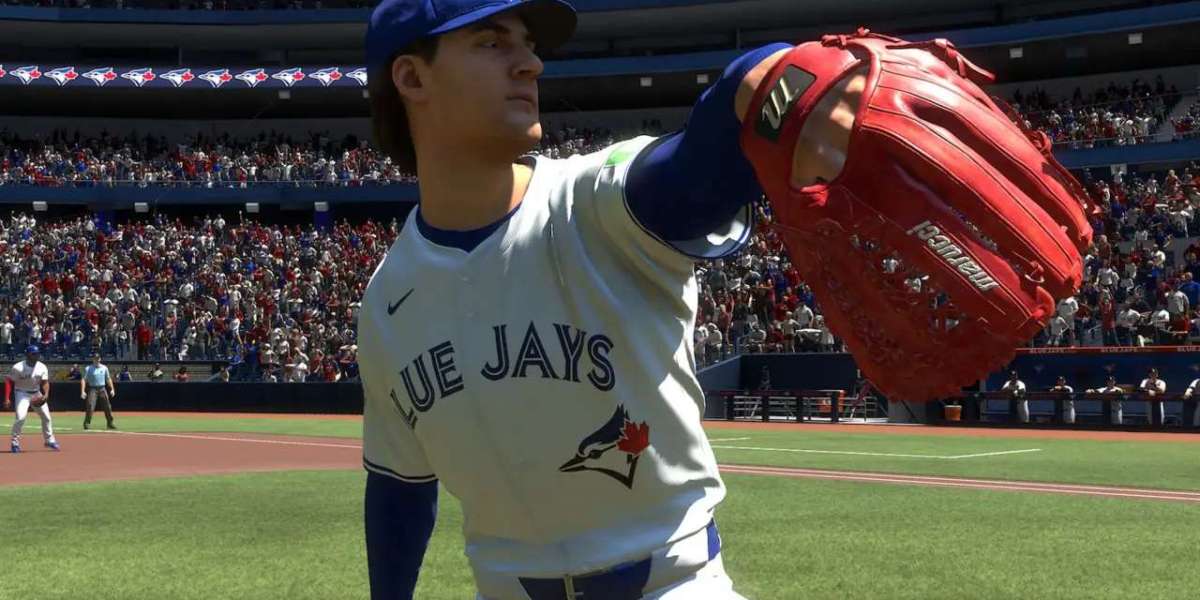

Spending heavily on Murakami while leaving weak hitters ahead of him can turn elite power into a string of solo home runs. Before committing MLB 26 stubs to this lineup slot, check whether your roster consistently puts runners aboard. His 99 OVR profile becomes more valuable when it solves a run-production problem, especially against right-handed pitching.
Build Your Approach Around the Contact Gap
Murakami's 125 Power against right-handers and 120 against left-handers suggest damage against either side. The sharper difference sits in Contact: 116 versus right-handers, compared with 102 versus left-handers. That 14-point gap deserves attention when deciding whether he should start against a difficult left-handed pitcher, particularly on a difficulty where your timing already feels stretched.
Against right-handers, pick a hittable area before the pitch instead of covering every corner. First-Pitch Hitter and Dead Red make an early fastball worth considering, but neither justifies chasing above the zone. If an opponent opens two plate appearances with breaking balls away, adjust your expectation before the third rather than automatically sitting on another fastball.
Give His Power Runners to Work With
The fourth lineup spot is a useful starting point when your first three hitters reach base reliably. Batting Murakami third can also work if your second hitter supplies frequent scoring opportunities. Judge the arrangement by actual plate appearances with runners aboard; a familiar batting-order convention matters less than whether your strongest contact hitters create those situations.
His 56 Speed and 3 Stealing make forced steals a poor foundation for this setup. With Murakami on first, let the following hitter earn the advance unless the defense presents a clear opening. Place a credible hitter behind him so an opponent who works around his power must still face a meaningful scoring threat.
Choose a Position Through Defensive Tradeoffs
First base is the natural place to begin evaluating Murakami, with third base available when roster construction requires it. His 75 Fielding, 84 forward reaction, 79 left reaction, and 60 right reaction describe an uneven defensive profile. At third, pay particular attention to sharply hit grounders that demand lateral movement rather than judging him only by routine throws.
Compare complete infield arrangements before moving him. If your current third baseman handles difficult grounders consistently, replacing that defender may cost more than Murakami's bat adds. If first base already belongs to another essential hitter, consider designated hitter where available. In a one-run game, a stronger defensive replacement becomes useful after Murakami's final likely plate appearance.
Test the Fit Before Spending More
Use lower-pressure games to evaluate his swing before committing additional resources to complementary cards. Track late swings against inside fastballs, chased breaking balls, and productive contact against left-handers. A short home-run streak can hide repeated timing problems; review the pitch locations behind your outs before deciding that another expensive lineup addition will fix them.
For reward progress, prioritize available objectives that overlap with games you already intend to play, then reassess your weakest lineup position before spending the proceeds. Murakami suits rosters needing left-handed run production more than those already crowded at first base. If you choose to buy MLB The Show 26 Stubs, set a spending limit around the remaining roster gaps and confirm his fit through actual plate appearances first.



Popular Posts




