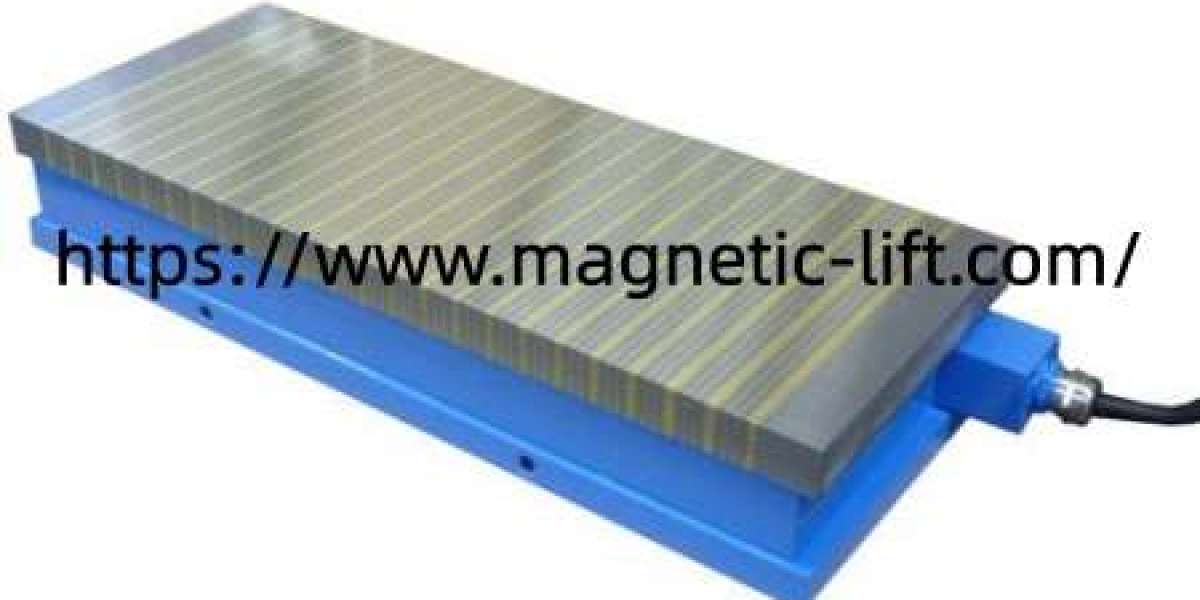

Electro Permanent Magnetic Chuck technology is attracting attention in metalworking because manufacturers continually evaluate different ways to secure ferromagnetic workpieces during machining. In CNC milling, mold production, and heavy component processing, workholding decisions influence setup planning, tool access, and production organization. Choosing an appropriate system requires an understanding of the workpiece material, machining conditions, magnetic contact, and machine compatibility. For manufacturers and purchasing teams, examining these factors helps determine whether magnetic workholding is suitable for a particular production environment.
One reason manufacturers consider this technology is its operating principle. An electro permanent magnetic system uses an electrical pulse to switch its magnetic state, while permanent magnets provide the holding force after activation. Depending on the design, continuous electrical power is not required to maintain the activated magnetic state. This operating approach can be useful in production environments where businesses want to reduce the need for continuous energization of the holding system. However, buyers should review the specific control design and operating instructions before deciding whether it meets their requirements.
Workpiece accessibility is another important consideration. Conventional mechanical clamps can occupy space around the component, potentially affecting tool paths or requiring additional setup adjustments. A properly selected magnetic workholding arrangement can hold suitable steel components across an available contact area, leaving more of the upper surface accessible for machining. This may be useful when processing plates, blocks, and certain mold components. The actual benefit depends on the workpiece geometry, magnetic pole layout, machining strategy, and the amount of contact available between the component and the holding surface.
Manufacturers should also consider the effect of workpiece material and surface condition. Magnetic holding systems are generally intended for ferromagnetic materials, such as many carbon steel grades. Aluminum, copper, and some stainless steel grades may not be compatible with conventional magnetic workholding. Even when a material is suitable, surface irregularities, scale, coatings, debris, or gaps can reduce effective magnetic contact. Buyers should provide accurate material specifications and surface details when consulting a supplier. These details help determine whether the proposed equipment is appropriate for the intended process.
Machining conditions require careful evaluation as well. Cutting forces, vibration, workpiece dimensions, and the direction of applied loads all influence the stability of a setup. A magnetic system should be selected according to its specified holding characteristics and the actual operating conditions, rather than by appearance or nominal size alone. Manufacturers should discuss the machining process, expected loads, component shape, and required positioning accuracy with the equipment supplier. Testing under an appropriate procedure may also be necessary before the system is introduced into regular production.
The arrangement of magnetic poles can affect how the system interacts with a particular component. Different designs may suit different workpiece sizes, thicknesses, and machining applications. Buyers should check the available pole spacing, working surface dimensions, control functions, and installation requirements. They should also confirm that the proposed equipment is compatible with the machine table and the intended production process. For businesses handling a range of components, understanding the limits of each configuration helps operators determine when a particular setup is appropriate and when another fixture may be needed.
Safety remains central to any workholding decision. Before machining begins, operators should follow the manufacturer's procedures for activation, workpiece placement, status verification, and release. The component must be correctly positioned, and the contact surfaces should be free from material that could interfere with holding. Operators should assess whether the setup can withstand the anticipated machining forces and vibration. Routine inspections, appropriate training, and documented operating procedures can help reduce avoidable risks. Magnetic workholding should not be assumed suitable for every component or cutting condition without a proper assessment.
Maintenance and technical support are also worth discussing during the purchasing process. Buyers should ask about surface cleaning, inspection intervals, electrical control components, operating documentation, and recommended service procedures. The supplier should clarify the conditions in which the equipment is designed to operate and explain any limitations relevant to the intended application. For manufacturers managing multiple machines, clear documentation can help maintenance teams coordinate inspections and provide operators with consistent guidance.
Cost evaluation should consider the full installation rather than the equipment price alone. Relevant factors may include machine compatibility, control integration, setup requirements, operator training, maintenance, and the types of components processed. A clear quotation should identify the model, technical specifications, accessories, delivery arrangements, and warranty conditions. Sharing production details with a manufacturer helps make these discussions more specific and reduces the likelihood of comparing configurations that serve different purposes.
For metalworking businesses considering a change to their workholding process, Kaixin provides magnetic equipment options for industrial applications involving compatible materials. Buyers can review available products at https://www.magnetic-lift.com/product/ and discuss their machining requirements, workpiece dimensions, and machine setup with the supplier. By matching technical specifications with actual production conditions, manufacturers can assess whether a magnetic solution fits their workflow, equipment arrangement, and operational needs.