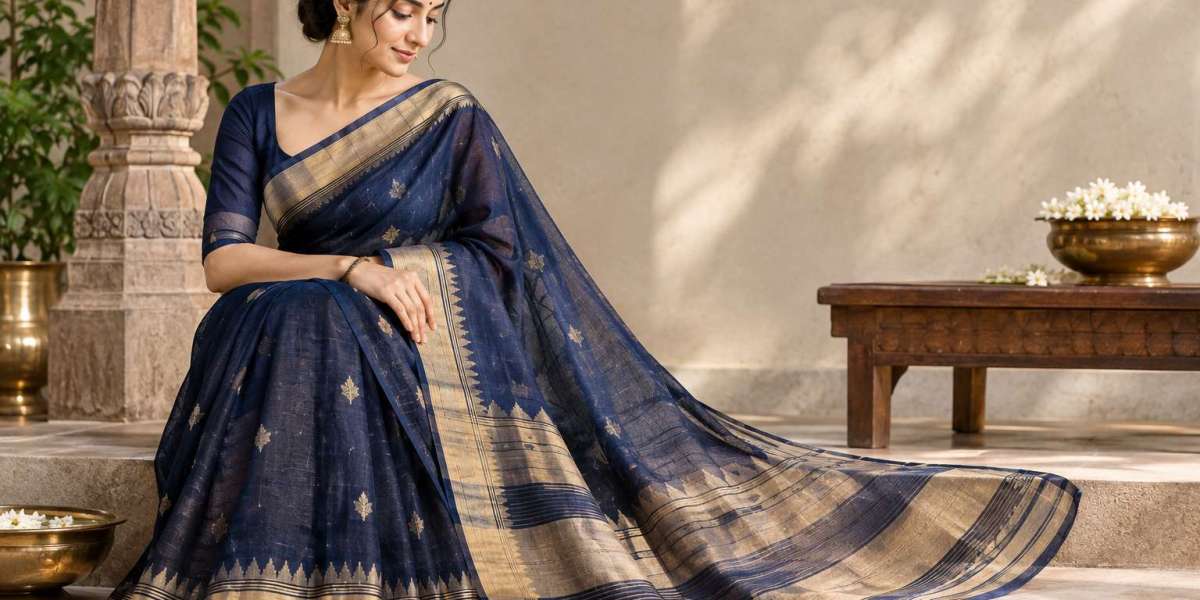

A Maheshwari saree is more than traditional clothing; it can be a versatile part of your wardrobe for years. Known for its elegant borders, distinctive motifs, lightweight feel, and heritage-inspired designs, this saree can work beautifully for festivals, weddings, family gatherings, and modern ethnic looks. Instead of wearing it only in the traditional drape, you can explore creative ways to style it for different occasions.
Learning how to reuse a Maheshwari saree helps you get more value from a piece you already own while reducing the need to purchase new outfits for every event. With a different blouse, updated draping technique, or carefully chosen accessories, the same saree can create several distinct looks.
This guide shares practical saree restyling ideas, outfit combinations, and creative fashion tips to help you make your Maheshwari saree work for more occasions without compromising its traditional appeal.
Why Reuse a Maheshwari Saree?
Maheshwari sarees originate from Maheshwar, Madhya Pradesh, and are appreciated for their traditional weaving, graceful borders, geometric patterns, and decorative pallus. Their designs can complement both classic and contemporary styling, making them suitable for different wardrobe combinations.
Reusing a saree offers several advantages:
· Better wardrobe value: You can create multiple outfits without buying a completely new ensemble.
· More styling flexibility: Different blouses, jewellery, and drapes can change the overall appearance.
· Personal expression: You can combine traditional textiles with modern fashion choices.
· Less clothing waste: Rewearing existing garments helps reduce unnecessary purchases.
· Long-term versatility: A well-maintained saree can remain useful across seasons and occasions.
The key is to choose styling changes that suit the saree's colour, fabric, border, and overall design.
1. Create a New Look With a Different Blouse
Changing the blouse is one of the easiest ways to reuse a Maheshwari saree. Since the blouse influences the overall appearance of a saree, even a simple change can make a familiar outfit feel different.
Pair It With a Solid-Coloured Blouse
Choose a blouse in a shade that appears in the saree's border, pallu, or woven motifs. For example, a saree with a contrasting border can look striking with a blouse that picks up that colour.
For a balanced appearance, avoid adding too many competing patterns when the saree already has detailed weaving.
Try a Contemporary Blouse Design
Depending on the saree's style, consider a high-neck blouse, a boat-neck design, three-quarter sleeves, or a simple structured silhouette. These options can give a traditional saree a more contemporary feel.
For weddings and formal events, a blouse with subtle embroidery may add richness. For daytime gatherings, a plain cotton or silk-blend blouse can create a more understated look.
Use a Contrasting Blouse
A contrasting blouse is useful when you want the same saree to look noticeably different. Select a complementary colour rather than choosing a shade at random.
For example, a deep-coloured blouse can add definition to a lighter saree, while a muted blouse can soften the appearance of a saree with a bold border.
2. Restyle the Saree for Casual and Daytime Outfits
A Maheshwari saree does not need to be reserved for weddings and formal celebrations. With lighter accessories and comfortable styling, you can adapt it for family lunches, cultural gatherings, and daytime events.
Choose Minimal Jewellery
Replace heavy necklaces and elaborate earrings with small earrings, a delicate chain, or simple bangles. This creates a relaxed appearance while allowing the saree's weave and border to remain the main focus.
Keep the Blouse Simple
A plain blouse with a comfortable fit works well for casual occasions. Choose a breathable fabric and a neckline that suits your preferred style.
Use Comfortable Footwear
Low heels, traditional flats, or other comfortable footwear can complete the outfit. The aim is to make the saree easy to wear without losing its elegance.
These small changes can make an older or frequently worn saree feel appropriate for less formal occasions.
3. Style a Maheshwari Saree for Weddings and Parties
A single Maheshwari saree can also work for different celebrations when you update the accessories and overall styling.
Add Statement Jewellery
For a wedding or evening celebration, consider statement earrings, a traditional necklace, or a carefully selected set of bangles. Choose accessories that complement the saree rather than competing with its motifs and border.
If the saree already features a prominent pallu, keep the remaining accessories relatively simple.
Experiment With the Pallu
The way you arrange the pallu can change the outfit's appearance. A neatly pleated pallu creates a structured look, while a carefully arranged open pallu can highlight the saree's woven design.
Use pins only where the fabric can safely support them. Avoid pinning through delicate or weakened sections.
Choose Occasion-Appropriate Footwear
Dressier sandals or heels may suit formal events, while traditional flats can work well for long celebrations. Comfort matters, particularly when you expect to stand or walk for extended periods.
With these changes, you can create a different look for an engagement, festive dinner, wedding reception, or family celebration without purchasing another saree.
4. Transform the Saree Into a Lehenga-Style Outfit
A lehenga-style drape is an option for someone who wants a different silhouette while continuing to wear the saree as a saree.
How to Create the Look
Start by wearing a suitable petticoat or underskirt that provides comfortable support. Arrange the saree into evenly spaced pleats around the waist, distributing the fabric to create a fuller skirt-like appearance. Secure the drape carefully and arrange the remaining fabric as a pallu.
The exact method depends on the saree's length, width, fabric, and border placement. Practise the drape before an important event to check that it stays secure and allows comfortable movement.
When Does This Style Work Best?
A lehenga-style drape can suit festive gatherings, sangeet events, and family celebrations. It can be especially effective when the saree has an attractive border or pallu that you want to highlight.
Avoid tying the fabric too tightly or using fasteners that could damage delicate threads.
5. Use the Saree Fabric for New Clothing Designs
If you own a saree that you no longer wear in its original form, you may consider repurposing some of its fabric. This option requires more planning than simple restyling because cutting a saree permanently changes the garment.
Make a Kurta or Tunic
Suitable sections of an old saree may be used to create a festive kurta or tunic. The border can sometimes be incorporated along the sleeves, neckline, or hem to preserve a recognisable element of the original design.
Before cutting, inspect the fabric for thinning, fading, and weak areas.
Create a Long Skirt
A tailor may be able to transform usable saree fabric into a skirt. This can be a practical choice if you prefer separates over traditional draping.
Plan the design around the available fabric and the placement of the border. Not every saree will provide enough suitable material for a particular skirt pattern.
Stitch a Dupatta or Jacket
A portion of the saree may also work as a dupatta, a lightweight jacket, or a decorative overlay, depending on the fabric's condition and available length.
For valuable heirloom sarees, consider non-destructive styling before cutting the fabric. If the saree has sentimental or historical value, preserving it in its original form may be preferable.
6. Turn the Saree Into Accessories and Home Accents
Creative fashion does not always require transforming a saree into another garment. Smaller fabric sections may have a useful second life when the saree is no longer suitable for regular wear.
Possible projects include:
· Potli bags: Use suitable fabric to create a traditional drawstring bag for festive occasions.
· Clutch covers: Incorporate an attractive woven section into a small evening accessory.
· Decorative cushion covers: Reuse sturdy fabric for a coordinated home accent.
· Gift wrapping: Use an appropriate fabric piece to wrap a special gift.
· Fabric accessories: Create a matching hair accessory or other small item with help from a tailor.
Before repurposing, make sure the material is clean and strong enough for its new purpose. Avoid cutting fragile or valuable sections without considering their sentimental and textile value.
7. Choose Accessories That Change the Overall Look
Accessories can help you reuse a Maheshwari saree without changing the garment itself.
Jewellery
Traditional jewellery creates a classic appearance, while minimal pieces provide a more contemporary finish. Choose based on the occasion and the saree's existing details.
Belts
A suitable fabric or decorative belt can create a more structured silhouette for some modern saree looks. Use one only if it does not place excessive pressure on the fabric or distort the pleats.
Bags and Footwear
A traditional potli bag can complement a festive outfit, while a simple clutch may suit an evening event. Coordinate your footwear and bag with the saree's colour palette rather than trying to match every item exactly.
Hair and Makeup
A bun, braid, or loose hairstyle can influence whether the outfit feels traditional or contemporary. Similarly, subtle daytime makeup and a more defined evening look can help distinguish two outfits made from the same saree.
8. Maintain the Saree Between Different Uses
Restyling works best when the saree remains in good condition. After wearing it, inspect the fabric for loose threads, stains, and areas affected by pins or accessories.
Follow the saree's care instructions when cleaning it. Allow the fabric to dry completely before storing it, and use a clean, suitable storage bag in a dry wardrobe.
Avoid placing heavy objects on top of the folded saree, and keep it away from sharp jewellery, rough surfaces, and direct sunlight. If the fabric is delicate or the care requirements are unclear, seek professional advice before washing or ironing it.
Good maintenance protects the saree's appearance and makes future styling easier.
Frequently Asked Questions
How can I reuse a Maheshwari saree without stitching it?
Change the blouse, jewellery, pallu arrangement, footwear, and bag. You can also experiment with a lehenga-style drape without cutting the original fabric.
Can an old Maheshwari saree be converted into a kurta?
Yes, if enough suitable fabric remains and its condition supports tailoring. A professional tailor can assess the material and plan a design that makes good use of the existing border and motifs.
Which blouse is best for restyling a Maheshwari saree?
A solid-coloured blouse is a versatile option. Contrasting colours and contemporary necklines can create a new look, while a traditional blouse can preserve the saree's classic appearance.
Is reusing a saree suitable for modern fashion?
Absolutely. Pairing traditional weaving with contemporary blouses, minimal jewellery, updated draping, or carefully designed separates can create a modern outfit while retaining the saree's heritage.
Conclusion
Learning how to reuse a Maheshwari saree gives you more styling options from a garment you already own. A different blouse, fresh accessories, an alternative drape, or a carefully planned fabric transformation can create outfits for casual gatherings, weddings, festivals, and contemporary occasions.
Start with changes that do not permanently alter the saree, particularly if it is an heirloom or has delicate woven details. With thoughtful saree restyling, creative fashion choices, and proper maintenance, a Maheshwari saree can remain a versatile and meaningful part of your wardrobe for years.