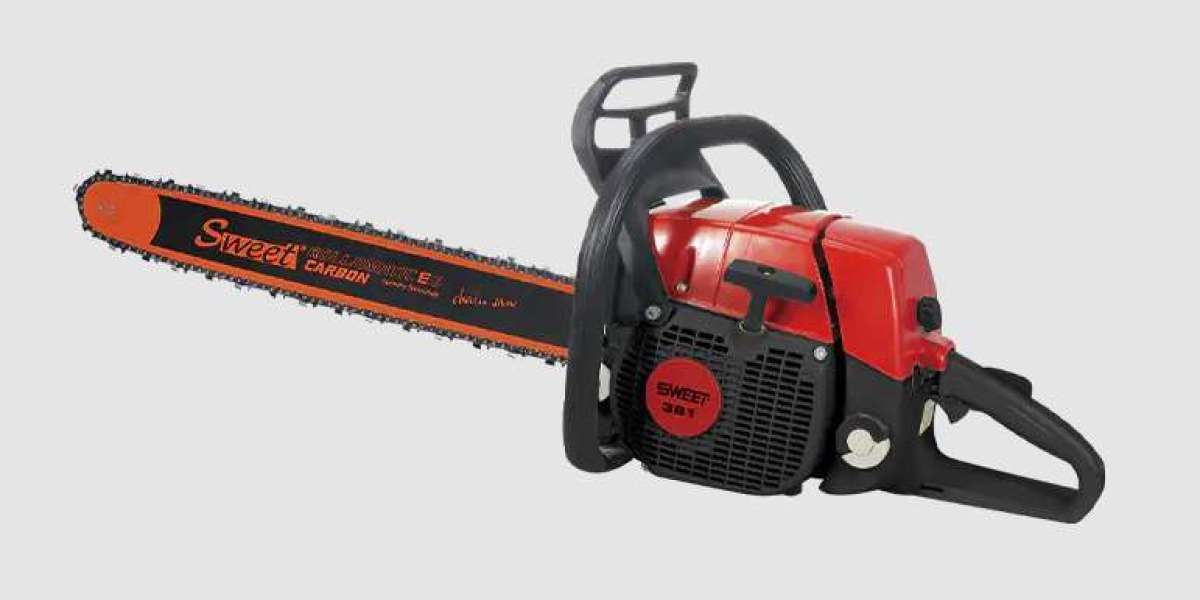

For outdoor power equipment retailers, inventory decisions affect cash flow, warehouse space, and customer satisfaction. Gasoline chain saws may attract several customer groups, including homeowners, farmers, landscaping contractors, and forestry operators. Each group has different expectations regarding power, weight, cutting capacity, and purchase price. A gasoline chain saw supplier can support the buying process by providing clear product information, dependable order communication, and suitable options for different market segments.
Study Local Customer Demand
Retailers should begin by reviewing sales records, customer inquiries, and seasonal purchasing patterns. Areas with substantial woodland may generate demand for equipment used in firewood preparation and timber work. Agricultural regions may require chain saws for farm maintenance, while suburban markets may favor models for occasional yard tasks. Understanding these differences helps businesses avoid stocking products that do not match local needs.
Organize Products by Application
A clear product structure makes purchasing and sales management easier. Retailers can group chain saws according to intended workload, engine configuration, guide bar length, and user type. Product descriptions should explain the practical differences between models without relying on vague promotional language. This information also helps sales staff guide customers toward equipment suited to their requirements.
Calculate Stock Requirements
Bulk orders can improve purchasing efficiency, but excessive inventory ties up working capital. Buyers should consider expected monthly sales, supplier lead times, seasonal changes, and the space required for safe storage. A reorder point can be established for each model based on typical demand and the time needed to receive new stock. Regular stock reviews help identify slow-moving products before they create larger inventory problems.
Compare Total Purchasing Costs
The quoted unit price is only one part of the cost of importing gasoline chain saws. Freight, customs duties, packaging, storage, inspection, and after-sales support may also affect the final cost. Buyers should request quotations with clearly defined terms and confirm which expenses are included. Comparing orders on a consistent basis provides a more useful picture of purchasing value.
Verify Product Consistency
Retailers need accurate specifications and consistent product information across repeated orders. Buyers should ask how the supplier manages component changes, production inspections, and product documentation. If a sample is approved before a bulk order, the agreed specifications should be recorded for later reference. This process helps purchasing teams identify differences that may affect product presentation or customer expectations.
Maintain Service Readiness
After-sales support can influence repeat business. Retailers should understand warranty procedures, spare parts availability, and the process for reporting product issues. Providing customers with suitable maintenance instructions also helps them understand routine care requirements. Businesses selling gasoline-powered equipment should make sure relevant safety information is accessible before use.
Build Long-Term Supply Relationships
Regular communication about forecasts, product changes, and delivery schedules helps both parties coordinate purchasing activities. Buyers can discuss upcoming seasonal demand, possible model adjustments, and packaging requirements well before placing repeat orders.
Choosing a gasoline chain saw supplier is an important part of managing an outdoor equipment business. By combining market research, stock planning, cost evaluation, product verification, and after-sales preparation, distributors can develop a product portfolio that serves different customers while keeping purchasing decisions commercially manageable.
https://www.gardentoolsfactory.net/product/chain-saw/