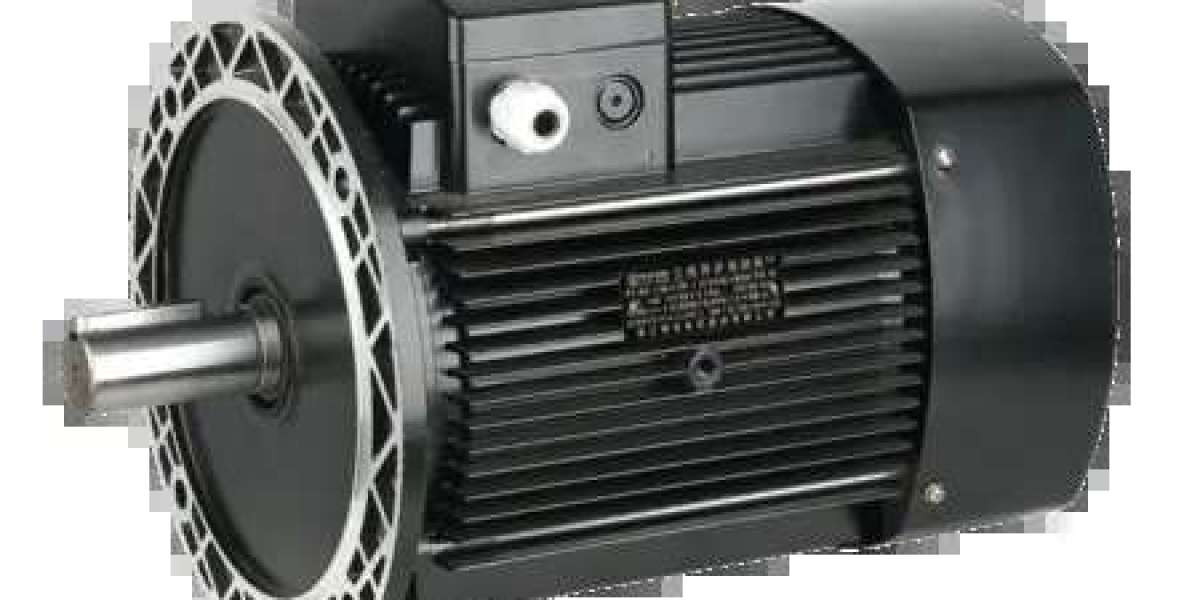

A motor replacement can change how an entire machine operates, even when the new unit has the same rated power. A 3 Phase Asynchronous Motor converts electrical energy into mechanical rotation, but its actual operating speed also influences the equipment connected to its shaft. This is particularly important in ventilation systems, water circulation, and other applications where output changes with rotational speed.
Induction motors operate below synchronous speed because a difference between the rotating magnetic field and the rotor is needed to produce torque. On a 50 Hz supply, a four-pole motor has a synchronous speed of 1,500 rpm. Its full-load speed may be slightly lower, depending on the motor's design, power rating, and load. Two motors with the same pole count can therefore operate at different speeds under comparable conditions.
That difference matters most when the driven equipment is sensitive to speed. For centrifugal fans and pumps, power demand can rise approximately with the cube of rotational speed under comparable operating conditions. A small increase in speed may consequently produce a noticeably larger increase in shaft power. If a replacement motor turns a fan faster than the previous unit, the additional airflow may not be useful when the ventilation system already meets its required output.
Other applications respond differently. Conveyors and some positive-displacement pumps operate closer to constant-torque conditions, where power demand generally changes more directly with speed. Gear reducers, belt drives, and variable frequency drives can also affect the relationship between motor speed and machine output. Before selecting a 3 Phase Asynchronous Motor, it is worth considering the complete drive system rather than treating the motor as an isolated component.
When energy consumption rises unexpectedly after replacement, checking the actual operating point is a practical starting place. Record input power, current, shaft speed where measurable, and the equipment's output under comparable conditions. For fan systems, engineers may adjust the impeller diameter or transmission ratio. A variable frequency drive can provide another way to match speed to demand, provided it is suitable for the motor and application.
A useful motor datasheet should include rated power, voltage, frequency, full-load current, rated speed, and efficiency figures. These details help equipment designers verify that a 3 Phase Asynchronous Motor will operate appropriately within the intended system. Comparing efficiency ratings remains important, but the driven machine's speed requirements deserve equal attention. A motor can reduce its own electrical losses while still increasing total system consumption if the connected equipment runs faster than necessary.