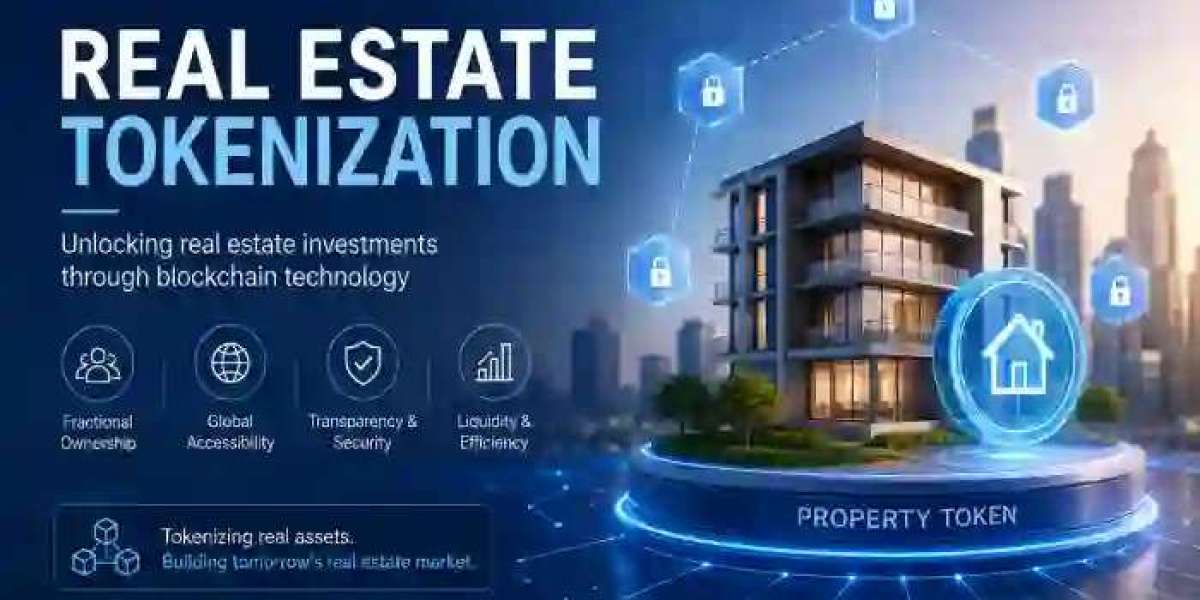

Real estate investment funds have traditionally provided investors with access to property portfolios through fund units, shares, or other structured investment vehicles. While these models allow investors to participate in professionally managed real estate investments, they can involve minimum investment requirements, lengthy subscription procedures, limited transfer options, and restricted access to specific property categories. For fund managers, creating investment products that accommodate different investor preferences while maintaining operational efficiency can be challenging.
Tokenized real estate funds offer a potential way to introduce more flexible portfolio participation models by representing legally defined fund interests as digital tokens on a blockchain. This approach can support digital subscription processes, transparent ownership records, programmable transfer restrictions, and more granular investment structures, subject to applicable regulations and the fund's governing documents.
Rather than relying exclusively on conventional fund administration systems, managers can explore tokenization to organize participation across selected properties, diversified portfolios, income-focused strategies, or development projects. The objective is to make investment structures more adaptable while preserving appropriate investor protections, regulatory compliance, and professional asset management.
What Are Tokenized Real Estate Funds?
Tokenized real estate funds are investment funds in which legally defined interests are represented by digital tokens recorded on a blockchain. These funds may invest in commercial buildings, residential rental properties, industrial facilities, logistics centers, or other eligible real estate assets.
Depending on the legal structure, a token may represent a share, unit, or other interest in a fund or investment vehicle. It does not automatically represent direct ownership of the properties held by the fund.
For example, a real estate fund may hold a portfolio of office buildings and residential rental properties. Instead of managing investor participation solely through traditional recordkeeping processes, the fund could use a tokenization platform to issue digital representations of eligible fund interests and maintain transaction records.
This infrastructure may support more streamlined subscription, ownership tracking, and permitted transfer processes. However, investor rights, redemption terms, minimum investments, and transfer eligibility remain determined by the fund's legal documents and applicable regulations.
How Tokenization Creates More Flexible Participation Models
Real Estate Tokenization can help fund managers design investment structures around different portfolio objectives, investor requirements, and administrative processes.
1. More Granular Investment Participation
Traditional real estate funds may impose minimum investment amounts that limit access for some eligible investors. Tokenization can support the division of fund interests into smaller denominations, where permitted by the fund structure and applicable law.
For example, a fund holding several income-generating commercial properties could issue tokenized interests in denominations that allow eligible investors to participate at different investment levels.
Smaller denominations do not automatically make an investment affordable or suitable for everyone. Fund managers must still consider fees, investor eligibility, minimum subscription requirements, and the economic viability of the offering.
2. Portfolio-Specific Investment Strategies
Investors may have different preferences regarding property types, geographic exposure, investment horizons, and income objectives.
Tokenized fund structures can support distinct investment vehicles or share classes designed around specific strategies. A manager might offer one fund focused on stabilized rental properties and another focused on commercial redevelopment projects.
This approach allows investors to select among clearly defined investment mandates rather than requiring every participant to follow the same strategy.
However, separate investment products require appropriate legal documentation, financial reporting, risk disclosures, and governance arrangements.
3. More Efficient Subscription and Ownership Administration
Traditional fund administration may involve multiple steps for collecting investor information, processing subscriptions, reconciling ownership records, and communicating transaction updates.
A tokenization platform can bring certain processes into a coordinated digital environment. Depending on its design, it may support investor onboarding, identity verification, subscription records, token issuance, and ownership tracking.
Smart contracts can automate selected administrative rules, reducing repetitive manual work. Nevertheless, identity verification, compliance reviews, payment processing, and formal fund-register requirements may still require additional systems and human oversight.
4. Conditional Transfer Opportunities
Real estate fund interests can be difficult to transfer because of contractual restrictions, investor qualification requirements, and limited secondary-market infrastructure.
Tokenization can support controlled digital transfers between eligible investors when permitted by the governing documents and applicable regulations.
For example, a platform could restrict transfers to verified wallets and record approved transactions on a blockchain.
This may simplify certain transfer procedures, but it does not guarantee that buyers will be available or that an investor can exit whenever desired. Secondary-market liquidity depends on market demand, regulatory permissions, and the fund's specific terms.
5. Different Participation Rights Within a Fund
Some funds may use multiple share classes or investment categories to accommodate different investor requirements. These structures might differ in fee arrangements, distribution priorities, voting rights, or other contractual features.
Tokenization can provide digital infrastructure for administering such arrangements, provided the rights are clearly documented and legally enforceable.
For instance, a fund might offer a class focused on income distributions and another with a different fee structure or investment horizon. Each class would need transparent terms so investors understand how their interests differ.
Tokenization facilitates administration; it does not independently create or guarantee these rights.
Tokenized Real Estate Fund Models for Different Investor Needs
Fund managers can explore several participation models depending on their investment strategy and target investor base.
| Participation model | How it works | Potential application |
|---|---|---|
| Diversified portfolio fund | Investors hold interests in a fund covering multiple properties. | Investors seeking exposure to a broader property portfolio. |
| Property-sector fund | Capital is allocated to a defined property category. | Commercial, residential, industrial, or logistics real estate. |
| Income-oriented fund | The strategy focuses on properties intended to generate rental income. | Investors prioritizing potential recurring distributions. |
| Development-focused fund | Capital supports construction, redevelopment, or repositioning projects. | Investors comfortable with project-related risks and longer timelines. |
| Multiple share classes | Different classes have distinct contractual rights or fee structures. | Funds serving investors with different investment preferences. |
| Feeder or special-purpose vehicle structure | An intermediary vehicle provides access to a larger fund or selected assets. | Structuring participation for particular investor groups or jurisdictions. |
These models are not interchangeable. Each requires careful consideration of legal structure, taxation, investor eligibility, governance, and operating costs.
The Role of Smart Contracts in Flexible Fund Management
Smart contracts can help tokenized real estate funds automate selected administrative processes while maintaining consistent rules across investor accounts.
Automated Distribution Calculations
When a fund approves a distribution, smart contracts may calculate allocations according to eligible holdings and the relevant share-class rules.
The process can reduce certain manual calculations, but the amount available for distribution must first be determined using accurate accounting records and the fund's governing documents.
Rental revenue may need to cover property management, maintenance, taxes, debt servicing, and reserves before any investor distribution is made.
Investor Eligibility Controls
Tokenized funds may be restricted to qualified, accredited, professional, or otherwise eligible investors, depending on the jurisdiction and offering.
Smart contracts can enforce selected transfer restrictions, such as limiting transactions to approved wallets. These controls should be integrated with appropriate identity verification and compliance procedures.
Transparent Ownership Records
Blockchain infrastructure can provide a traceable record of token issuance and permitted transfers. When properly integrated with the fund administrator's systems, it can help reconcile investor holdings and transaction activity.
The legal fund register and official records must remain consistent with the tokenization system. The blockchain record alone may not determine legal ownership where governing law or fund documentation requires additional procedures.
How Tokenized Funds Can Improve Portfolio Access Without Removing Investment Risks
A key advantage of tokenization is the potential to make participation and administration more adaptable. However, greater flexibility should not be confused with lower investment risk.
Real estate funds remain exposed to property valuations, interest rates, tenant vacancies, operating costs, refinancing conditions, and broader economic cycles. Development-focused funds may face additional construction and permitting risks.
Tokenization can help managers present investment terms and portfolio information through digital systems, but it cannot guarantee property performance or investor returns.
Fund managers should therefore combine digital infrastructure with:
Clear investment mandates and asset-allocation policies.
Reliable property valuations and financial reporting.
Transparent fees, expenses, and distribution policies.
Appropriate investor eligibility and transfer controls.
Documented redemption and exit procedures.
Independent reviews, cybersecurity safeguards, and operational oversight.
These measures help ensure that flexible participation models remain aligned with investor protection and sound fund governance.
Challenges in Implementing Tokenized Real Estate Funds
Before adopting tokenization, fund managers should evaluate the practical limitations and costs associated with the model.
Regulatory compliance: Tokenized fund interests may qualify as securities or regulated investment products. Offering, marketing, transfer, custody, and reporting obligations vary across jurisdictions.
Liquidity limitations: Digital representation does not create a liquid market. Secondary transfers may be restricted, and fund interests may remain difficult to sell.
Redemption constraints: Closed-ended funds may not offer routine redemptions, while open-ended funds may impose notice periods, gates, suspension rights, or other restrictions. Tokenization does not override these provisions.
Technology integration: Blockchain systems must work with fund administrators, accounting platforms, payment providers, custody arrangements, and existing investor records.
Cybersecurity: Smart-contract vulnerabilities, compromised wallets, and access-control failures can expose funds and investors to operational risks.
Cost and complexity: Legal structuring, platform development, audits, compliance, and ongoing administration can outweigh the benefits for smaller funds.
Investor understanding: Investors must understand the underlying properties, fund strategy, fees, rights, restrictions, and risks rather than focusing only on the digital format of the investment.
A feasibility assessment should compare these costs and constraints with the expected operational and commercial benefits.
Example: Creating Flexible Participation in a Multi-Asset Real Estate Fund
Consider a hypothetical fund that invests in commercial office buildings, residential rental properties, and logistics facilities. Its investor base includes individuals seeking exposure to rental income and institutional participants interested in larger portfolio allocations.
The fund manager could evaluate a tokenization platform that supports digital subscriptions and records legally defined fund interests. It might also establish separate share classes or distinct investment vehicles for different strategies, provided the arrangements comply with applicable requirements.
Eligible investors could subscribe through the approved onboarding process, while the platform maintains token records consistent with the fund's official register. Smart contracts could support permitted transfers and calculate allocations after distributions have been formally approved.
The fund would still operate under its investment mandate, valuation procedures, redemption policies, and governance framework.
This model could improve certain administrative processes and expand the range of participation structures available to investors. However, it would not guarantee lower minimum investments, immediate liquidity, or better investment performance. Those outcomes depend on the fund design, market conditions, and applicable rules.
Developing a Tokenized Real Estate Fund Platform
A tokenized fund platform should support the full investment lifecycle rather than focus exclusively on token issuance.
Important capabilities may include:
Investor onboarding: Identity verification, eligibility checks, subscription workflows, and compliance documentation.
Token issuance: Digital representations of legally defined fund interests and share classes.
Portfolio administration: Records for underlying properties, valuations, income, expenses, and fund allocations.
Distribution management: Tools for calculating approved distributions and maintaining payment records.
Transfer controls: Eligibility-based restrictions and transaction monitoring.
Investor reporting: Statements, performance updates, financial disclosures, and transaction histories.
Security and integration: Smart-contract testing, wallet controls, accounting integrations, and reconciliation with official fund records.
Businesses researching development providers may consider Inoru, a tokenization development company, when evaluating the technical requirements for real estate and broader RWA tokenization platforms. A suitable provider should be assessed based on its relevant capabilities, security practices, integration needs, and ability to support the proposed investment structure.
Legal advisers, fund administrators, tax professionals, and appropriately authorized financial service providers may also be needed to establish and operate the fund.
The Future of Flexible Participation in Real Estate Funds
Tokenized real estate funds may evolve as digital securities infrastructure, regulatory frameworks, custody services, and institutional adoption mature.
Fund managers may explore more specialized investment vehicles, digital subscription processes, controlled transfer mechanisms, and integrated reporting systems. These capabilities could help them serve investors with different portfolio preferences while maintaining consistent administration.
There may also be opportunities to combine property investments with broader real-world asset strategies. However, diversification across asset classes introduces additional legal, operational, and valuation considerations.
Long-term adoption will depend on whether tokenization offers measurable improvements in administration, investor participation, and operating efficiency. Clear legal rights, reliable asset data, and transparent governance will remain more important than the technology alone.
Conclusion
Tokenized real estate funds can create more flexible portfolio participation models by representing legally defined fund interests through digital tokens and supporting selected processes with blockchain infrastructure. Depending on the structure, fund managers may be able to offer more granular investment denominations, specialized portfolio strategies, distinct share classes, and controlled digital transfers.
The strongest implementations combine these technical capabilities with sound investment management, appropriate legal documentation, investor protections, and transparent financial reporting.
For real estate fund managers, tokenization should be viewed as a way to improve how investment participation is structured and administered—not as an automatic solution to liquidity constraints or property-market risks. When aligned with a clear commercial objective, it can become a useful component of a broader strategy for developing more adaptable real estate investment products.