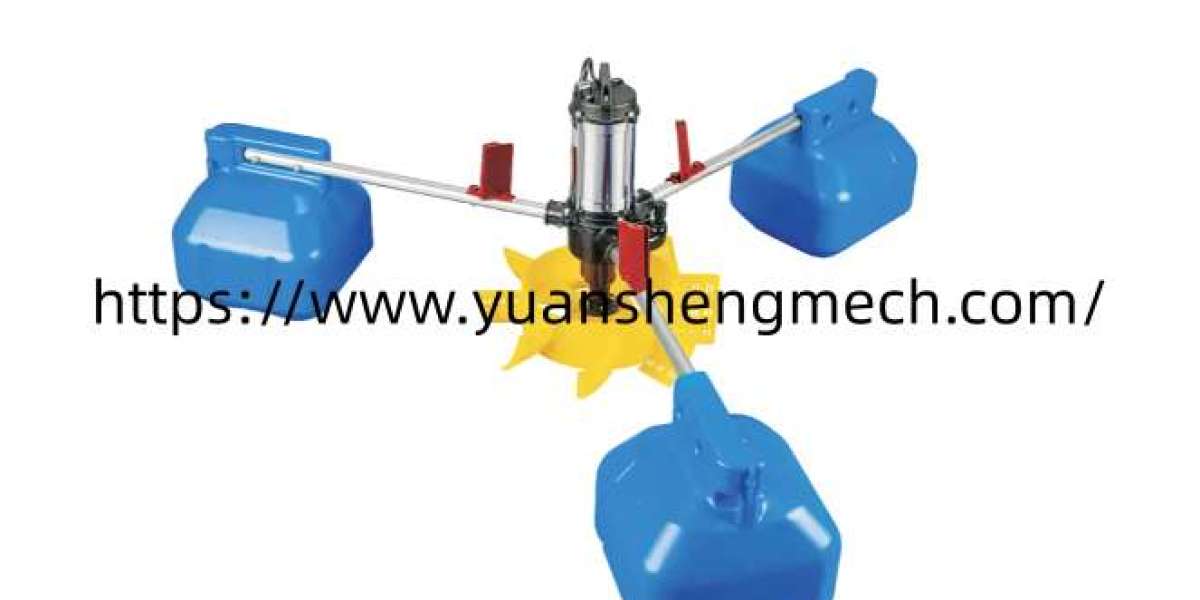

Wastewater systems often handle liquids that contain suspended particles, organic matter, and other substances that make pumping more demanding than moving clean water. When evaluating a Sewage Water Pump, facility managers should consider the characteristics of the wastewater, the layout of the drainage system, and the conditions in which the equipment will operate. Material compatibility, solids-handling capability, access for servicing, and installation arrangements all affect how well a pump fits a particular wastewater application.
Material selection is especially important because wastewater composition varies between sites. Domestic sewage, food-processing wastewater, aquaculture discharge, and industrial effluent can contain different combinations of solids and dissolved substances. These differences may influence the suitability of pump housings, impellers, seals, and other wetted components. Buyers should understand the liquid being handled and discuss potential corrosive or abrasive conditions with a qualified supplier. Choosing materials for the actual environment helps reduce avoidable wear and supports more appropriate equipment selection.
A sound purchasing decision begins with examining the complete wastewater process. Buyers should identify where the liquid originates, how it reaches the pump, and where it needs to be discharged. The system may include collection pits, pipes, valves, treatment equipment, and discharge outlets, each of which can affect the pump's operating conditions. It is also important to understand whether the wastewater contains fibrous material, sediment, or other solids that may create blockage risks. This information gives suppliers a clearer basis for recommending a suitable design.
Pump technology plays a central role in managing wastewater reliably. Depending on the design, a sewage pump may use an impeller and flow passages intended to move liquid containing solids. The suitability of the arrangement depends on the nature of the wastewater and the requirements of the system. Buyers should ask how the pump is intended to handle the solids present in their application and whether any upstream screening or collection measures are advisable. Selecting equipment without considering the composition of the liquid can lead to interruptions and unnecessary maintenance.
Installation conditions deserve equal attention. Some wastewater pumps operate in collection pits or wet wells, while others form part of a larger treatment or drainage installation. The available space, access for lifting equipment, pipe arrangement, and position of electrical connections all influence installation planning. A layout that allows technicians to remove the pump safely can make future servicing more straightforward. Before installation, facility managers should also confirm that the proposed arrangement meets relevant electrical, environmental, and workplace safety requirements.
Ease of maintenance affects the daily experience of operators. Wastewater equipment may require inspection for accumulated debris, seal wear, unusual vibration, or changes in operating behavior. A practical installation should provide appropriate access to components that need regular attention without exposing workers to unnecessary hazards. Clear operating instructions and an established maintenance schedule help teams understand what to check and when to request professional service. Recording recurring blockages or changes in pumping performance can also help identify problems in the wider wastewater system.
Design features influence both functionality and the way equipment fits into a facility. A robust housing helps protect internal components, while suitable sealing arrangements reduce the risk of liquid entering areas that must remain protected. The layout of lifting points, cable routing, and service connections can affect handling and inspection. In confined pump chambers, a compact arrangement may simplify installation, but it should never compromise safe access or maintenance requirements. Buyers should assess the physical design in relation to the available space and the working practices of their maintenance team.
Wastewater management also depends on how the pump interacts with the rest of the treatment process. Blocked inlet screens, poorly arranged pipework, unsuitable valves, or an overloaded collection system can affect performance even when the pump itself is appropriate. Regular checks of the entire installation help operators distinguish between equipment problems and issues elsewhere in the system. For facilities handling changing wastewater loads, coordinating pump maintenance with cleaning and treatment schedules can reduce disruption and help maintain a more predictable workflow.
Taizhou Yuansheng Aquacul Ture Machinery Co., Ltd. operates in the machinery and water-management equipment sector. Businesses evaluating pumping equipment for wastewater applications can prepare information about liquid composition, solids, installation conditions, and discharge requirements before discussing suitable options with a supplier. Considering these practical details helps make equipment selection more relevant to the operating environment. To learn more about the company and its available products, visit https://www.yuanshengmech.com/.