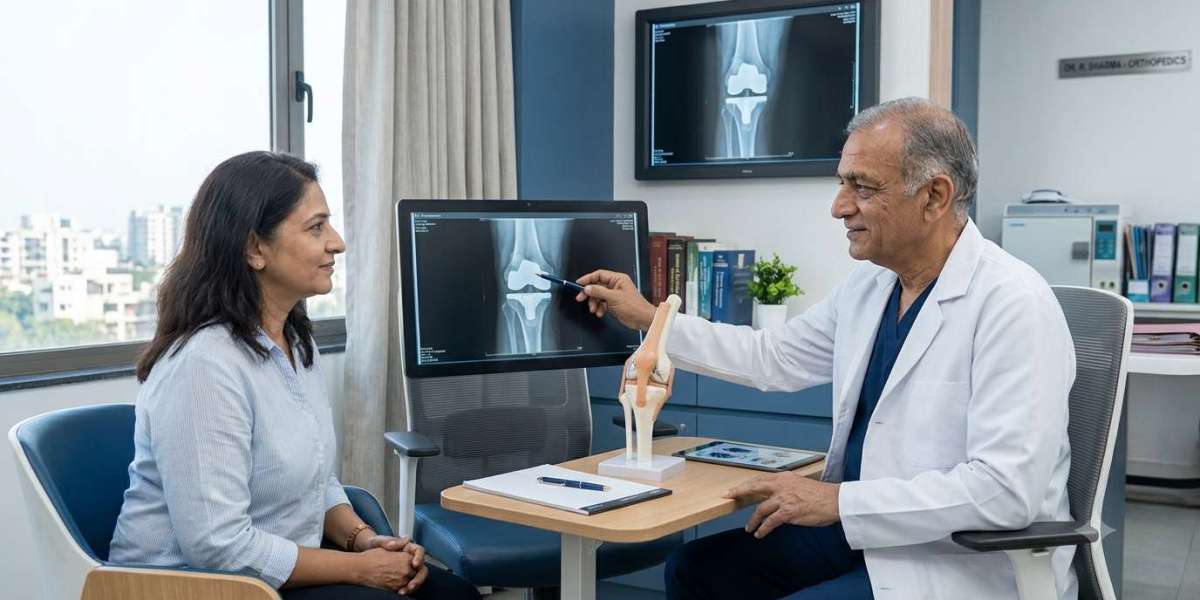

Knee pain can gradually limit a person's independence, affecting walking, climbing stairs, exercising, and completing routine household activities. When conservative treatments no longer provide sufficient relief, an orthopedic specialist may evaluate whether knee replacement surgery is an appropriate option.
Choosing the right surgeon is an important step in this process. Patients should understand the diagnosis, available treatments, potential benefits, possible complications, and rehabilitation requirements before making a decision. For individuals researching a Knee Replacement Surgeon in Ahmedabad, evaluating the surgeon's experience and approach to patient care can help make the treatment journey more informed.
Why Knee Problems Need Specialist Attention
The knee is a complex joint that supports body weight and allows movements such as bending, straightening, and walking. Cartilage, ligaments, tendons, muscles, and bones work together to maintain stability and movement.
Conditions such as osteoarthritis can gradually damage the cartilage that protects the joint surfaces. Previous injuries and certain inflammatory conditions can also contribute to knee pain and reduced function.
Symptoms may include stiffness, swelling, discomfort during movement, and difficulty performing everyday tasks. An orthopedic specialist can assess these symptoms and determine whether they are related to arthritis, an injury, or another medical condition.
When Should You Consult a Knee Replacement Specialist?
Not every person experiencing knee pain needs surgery. In many cases, physiotherapy, medication, lifestyle adjustments, and other nonsurgical approaches may help manage symptoms.
A specialist may discuss knee replacement when joint damage is advanced, pain significantly affects daily life, and appropriate nonsurgical treatments have not provided sufficient improvement.
The decision should consider more than imaging results alone. Pain severity, functional limitations, overall health, personal expectations, and the patient's ability to participate in rehabilitation all matter.
An orthopedic consultation helps clarify the diagnosis and determine which treatment options are suitable.
Important Factors When Choosing a Surgeon
Experience and Relevant Specialization
Look for an orthopedic surgeon with appropriate qualifications and experience in joint replacement procedures. Ask about their clinical focus, the types of knee conditions they treat, and their experience managing cases similar to yours.
Patients should feel comfortable asking questions and discussing concerns without pressure.
Clear Communication
A good consultation should explain the condition in understandable language. The surgeon should discuss why a particular treatment is recommended, what alternatives exist, and what outcomes can realistically be expected.
Clear communication also helps patients understand the limitations of surgery and the importance of rehabilitation.
Individualized Treatment Planning
Every patient has different medical needs, activity levels, and recovery goals. A suitable treatment plan should account for these differences rather than assuming that the same approach works for everyone.
The surgeon should review medical history, medications, examination findings, and relevant imaging before recommending treatment.
Postoperative Guidance
Recovery planning is an essential part of knee replacement care. Ask how follow-up appointments, physiotherapy, pain management, and rehabilitation instructions will be coordinated.
Understanding the recovery process in advance can help patients prepare their homes, arrange assistance, and plan time away from work.
Understanding the Knee Replacement Procedure
Knee replacement surgery involves replacing damaged joint surfaces with artificial components. Depending on the extent and location of the damage, a surgeon may consider a total knee replacement or, in selected cases, a partial knee replacement.
The appropriate procedure depends on the condition of the joint, the patient's anatomy, overall health, and the surgeon's assessment.
Before surgery, patients may undergo medical evaluations to assess their readiness for the procedure. The surgical team explains preparation instructions, anesthesia considerations, and postoperative care.
As with any major operation, knee replacement has potential risks, which may include infection, blood clots, stiffness, or complications related to anesthesia. Patients should discuss their individual risks with the treating team.
The Role of Rehabilitation
After surgery, rehabilitation helps patients gradually regain movement and strength. The program may include walking with appropriate support, knee mobility exercises, strengthening activities, and guidance on everyday movements.
Progress varies depending on the patient's health, physical condition, and response to treatment. Following medical instructions and attending scheduled follow-up appointments can help the care team monitor recovery.
Patients should report unexpected symptoms or concerns promptly rather than changing their rehabilitation routine independently.
Why Consider Align Asia for Orthopedic Care?
Align Asia provides specialized orthopedic care across joint replacement, arthroscopy, shoulder conditions, and sports injuries. Its team includes Dr. Dhaval Patel, who focuses on joint replacement and sports injuries, alongside specialists with expertise in arthroscopy and shoulder-related conditions.
This multidisciplinary experience supports evaluation and management across a range of orthopedic concerns. Patients can discuss their symptoms, understand available treatment options, and receive guidance based on their individual needs.
Making an Informed Decision
Selecting a knee replacement surgeon should involve careful research, open communication, and a clear understanding of treatment expectations. Patients should compare relevant qualifications, ask about the proposed procedure, and understand the rehabilitation process before proceeding.
If persistent knee pain is affecting everyday activities, visit Align Asia to learn more about its orthopedic services and discuss whether knee replacement or another treatment approach may be appropriate for your condition.