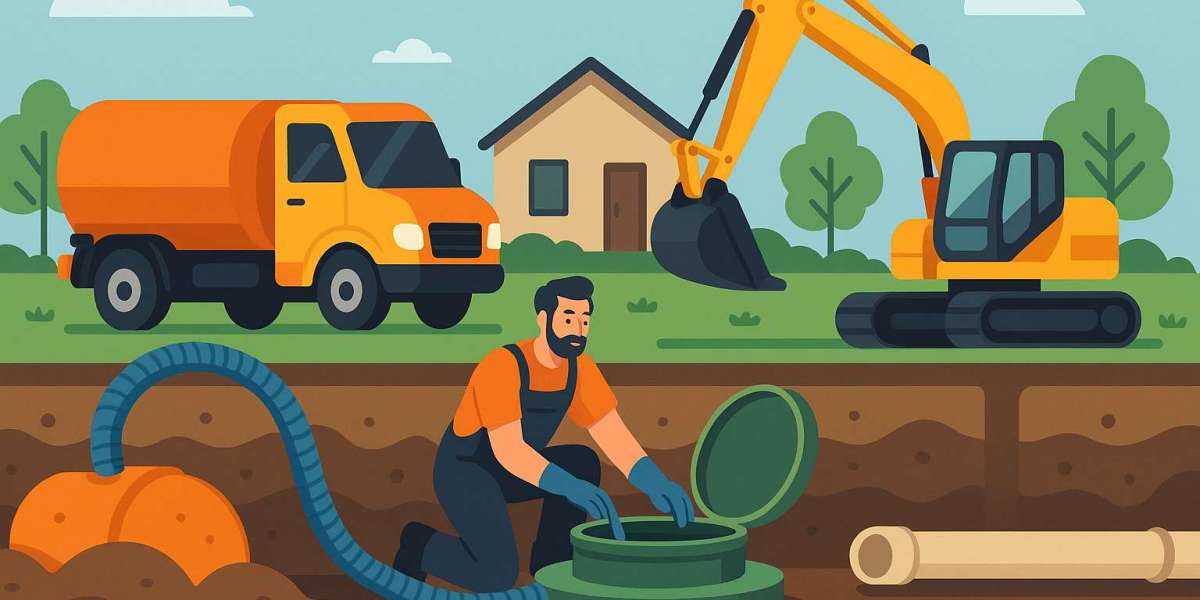

A drain field, also known as a leach field, is a critical component of any septic system. It allows treated wastewater to be dispersed safely into the soil, where it undergoes natural filtration. However, over time, even a well-maintained system may require a drain field replacement due to age, damage, or environmental changes.
Several signs can indicate a failing drain field. These include persistent wet spots in the yard, sewage odors, or backed-up plumbing. These issues often result from soil compaction, bio-mat buildup that blocks absorption, or damage caused by tree roots or heavy machinery. Prompt attention is necessary to prevent contamination of groundwater or surrounding property.
When a drain field is beyond repair, a complete drain field replacement is necessary. This process involves removing the old field, selecting a suitable location on the property for the new one, and ensuring proper soil conditions. Professionals will test percolation rates and inspect for nearby water sources or utility lines before installation.
Replacing a drain field is a complex task that must meet strict environmental and zoning regulations. Working with an experienced septic contractor ensures the new system functions efficiently and complies with all local guidelines. They’ll also advise on proper usage practices to extend the lifespan of the new field.
Ultimately, while a drain field replacement is a significant investment, it restores the full functionality of your septic system and protects both your home and the environment. Regular maintenance and early detection of problems can help delay the need for replacement and keep your system working smoothly.