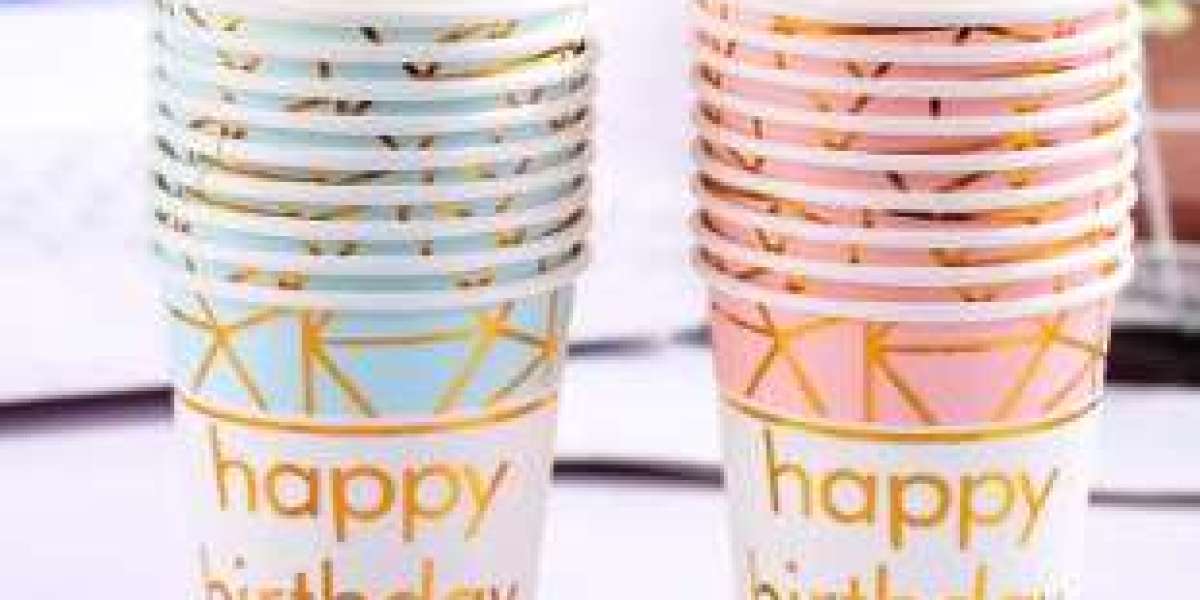

Introduction to Printing Quality Issues
The appearance of a Disposable Paper Cup is critical for both aesthetic appeal and brand recognition. Many businesses use customized printing on paper cups to promote their brand, display logos, or provide product information. However, print durability can be compromised during handling, storage, or use, leading to peeling, fading, or discoloration. Understanding the factors that contribute to these issues is essential for manufacturers, designers, and users seeking to maintain high-quality presentation and consistent branding.
Factors Contributing to Print Peeling
Peeling occurs when the printed layer does not adequately adhere to the paper cup surface. This can result from improper surface treatment, incompatible inks, or poor printing techniques. Inadequate curing or drying of inks during production may also reduce adhesion. Excessive handling, friction during stacking or transport, and exposure to moisture can exacerbate the problem. Cups with a poorly bonded print layer may lose design elements or exhibit unsightly flaking, negatively affecting their appearance.
Causes of Color Fading
Color fading is typically caused by environmental exposure and material interactions. Ultraviolet (UV) light, heat, and moisture can break down pigment molecules, leading to diminished vibrancy. Acidic beverages or high-temperature liquids may also interact with printed coatings, accelerating discoloration. In addition, lower-quality inks or insufficient protective coatings fail to resist chemical and physical stress, making the cup’s visual appeal degrade faster over time.
Impact on Branding and Consumer Perception
Fading or peeling prints directly affect consumer perception and brand image. A disposable cup that looks worn, damaged, or faded can convey a sense of poor quality or lack of professionalism. For businesses, maintaining sharp, vibrant prints is crucial to enhancing the perceived value of products and reinforcing brand recognition. Consistent and durable printing contributes to customer satisfaction and marketing effectiveness, especially in high-traffic service environments.
Materials and Coatings to Improve Print Longevity
Manufacturers can improve print durability by selecting compatible ink types and applying surface treatments. Coatings such as aqueous varnishes, UV coatings, or thin plastic laminates can enhance adhesion and protect against moisture and friction. High-quality paperboard with uniform surface texture ensures better ink absorption and bonding. Properly cured inks and protective finishes help maintain vibrant colors and prevent flaking during storage, transport, and use.
Printing Techniques and Process Control
Advanced printing techniques such as flexography, offset, or digital printing allow for precise control over ink deposition and curing. Consistent process control ensures uniform color coverage and strong adhesion across batches. Additionally, machine calibration, drying temperature, and ink formulation are critical factors that influence long-term durability. Regular quality inspections and testing can identify potential adhesion or fading issues before the product reaches the consumer.
Conclusion on Print Durability
In conclusion, the tendency of a Disposable Paper Cup to peel or fade is influenced by ink quality, surface preparation, environmental conditions, and printing processes. Poor adhesion, exposure to moisture or heat, and insufficient protective coatings are common causes of visual degradation. By selecting high-quality inks, applying suitable coatings, and maintaining strict process control, manufacturers can significantly reduce peeling and fading. Ensuring durable, vibrant prints enhances branding, consumer satisfaction, and the overall perceived quality of disposable cups, making print durability a key consideration in design and production.