
Introduction to Sustainability
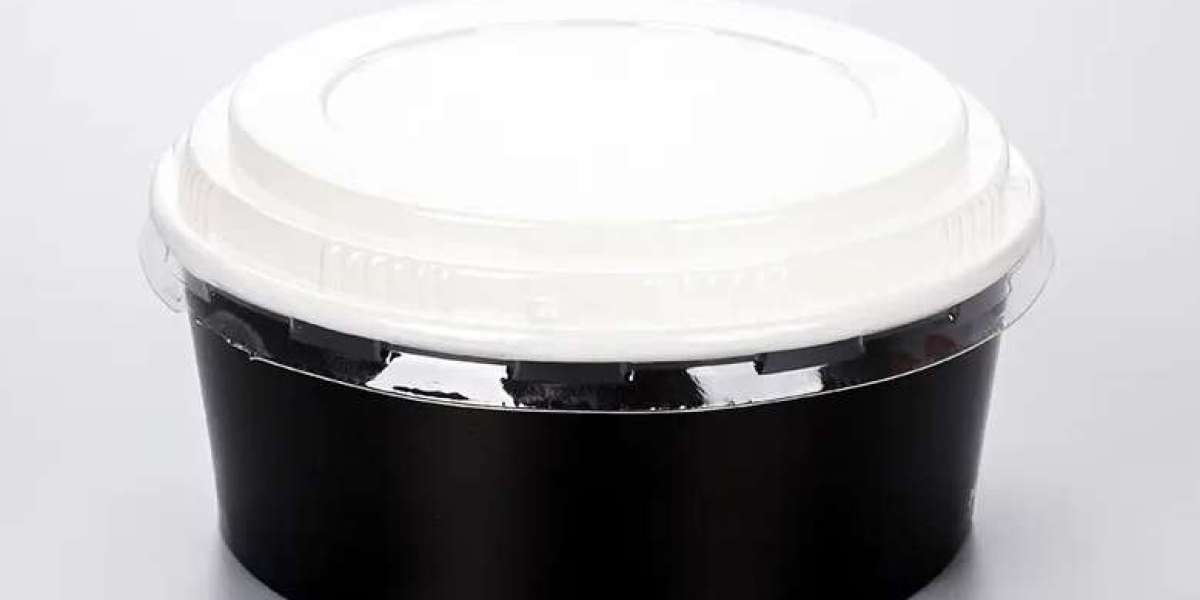
Paper Soup Buckets have become increasingly popular in the foodservice industry, not only for their convenience but also for their perceived environmental friendliness. With growing concerns about plastic pollution and sustainability, many businesses and consumers are asking whether these containers are biodegradable or recyclable. Understanding the materials and construction of paper soup buckets is essential to evaluating their environmental impact and ensuring that they are disposed of properly after use.
Material Composition and Its Environmental Implications
Most paper soup buckets are constructed from food-grade paperboard combined with a thin polyethylene (PE) or polylactic acid (PLA) lining. The paperboard itself is typically biodegradable and can be recycled under the right conditions. However, the inner lining, which prevents leakage and maintains structural integrity, can affect the bucket’s recyclability. PLA is compostable under industrial conditions, while conventional PE linings are more challenging to recycle and may require specialized facilities. The combination of paper and lining materials determines whether the bucket can fully decompose in a natural environment or be processed through standard recycling streams.
Biodegradability of Paper Soup Buckets
Biodegradability refers to the ability of a material to break down naturally by microbial activity. The paperboard component of soup buckets is inherently biodegradable, and it can decompose over time when exposed to moisture, heat, and microorganisms. PLA-lined buckets also offer partial biodegradability, although industrial composting conditions are typically required for complete decomposition. Buckets with traditional PE coatings may degrade very slowly and contribute to environmental pollution if not properly disposed of. Businesses seeking truly eco-friendly options often choose PLA-lined or uncoated paper buckets for enhanced biodegradability.
Recyclability and Collection Challenges
Recycling paper soup buckets can be complicated due to the combination of materials. While clean paperboard is widely recyclable, the presence of a PE lining can hinder the recycling process, as separating the plastic from the paper is not feasible in most municipal facilities. Some advanced recycling plants are equipped to handle coated paper products, but these are not universally available. PLA-lined buckets are generally more compatible with industrial composting programs rather than traditional paper recycling. To maximize environmental benefits, foodservice providers should check local recycling guidelines and consider separate waste streams for coated paper products.
Environmental Advantages
When properly composted or recycled, paper soup buckets reduce reliance on single-use plastics, lower carbon footprint, and contribute to sustainable packaging practices. Even with linings, paper-based containers tend to have a smaller environmental impact compared to traditional plastic alternatives, particularly if sourced from responsibly managed forests and processed using eco-friendly methods. Educating consumers on proper disposal methods further enhances their positive environmental effects.
Best Practices for Disposal
To ensure maximum sustainability, businesses should clearly label paper soup buckets with disposal instructions. Buckets should be free of excessive food residue before recycling, and if industrial composting facilities are available, PLA-lined containers should be directed there. Selecting biodegradable coatings and avoiding non-recyclable plastics whenever possible ensures that the buckets serve both functional and environmental purposes.
Paper Soup Buckets can offer significant environmental benefits, but their biodegradability and recyclability depend on the materials used and local disposal infrastructure. While the paperboard component is naturally compostable and recyclable, the inner linings, especially PE, may limit these options. PLA linings provide a more sustainable alternative under industrial composting conditions. By choosing eco-friendly materials and following best disposal practices, foodservice providers can leverage paper soup buckets to reduce plastic waste and promote sustainable packaging solutions.