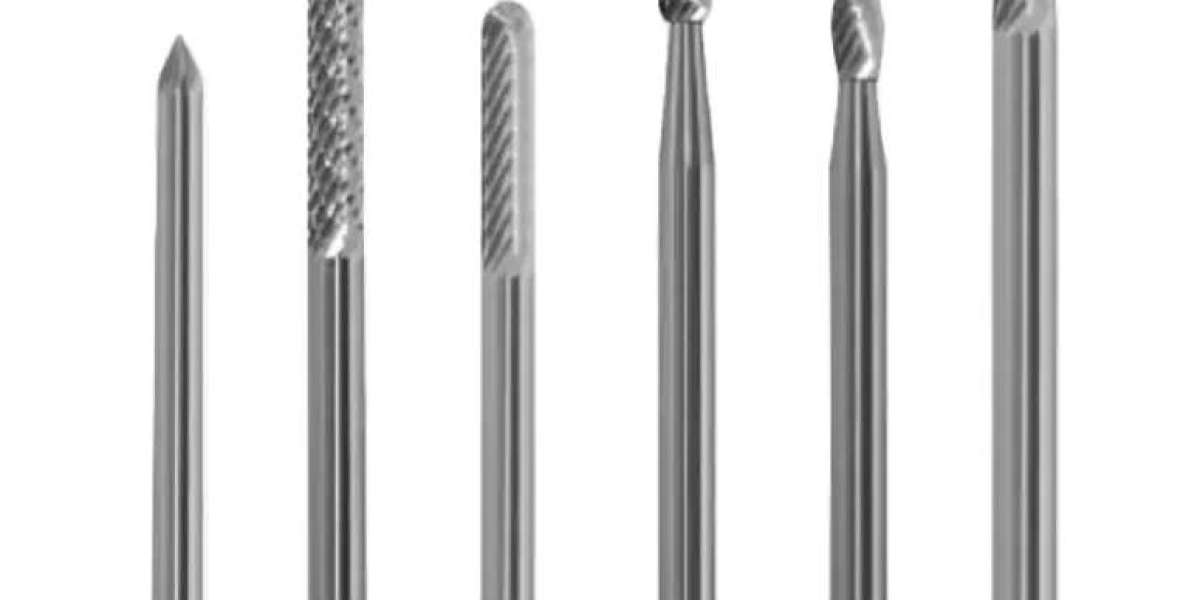

Introduction to Precision Rotary Tools
Precision rotary tools are widely used in industries requiring detailed and accurate machining, including metalworking, jewelry making, dental applications, and electronics. Their ability to perform fine cuts, engravings, and surface finishing makes them indispensable in precision tasks. However, achieving consistent stability and accuracy requires careful attention to tool selection, operational technique, and equipment maintenance. Without proper handling, even small vibrations or misalignments can lead to defective workpieces and reduced productivity.
Importance of Tool Selection
The first step in maintaining stability and precision is selecting the appropriate rotary tool for the task. Different bit types, sizes, and materials are optimized for various operations and workpiece materials. Using a tool that matches the hardness and density of the material prevents deflection, uneven cutting, and excessive wear. Precision rotary tools designed for high-speed, low-vibration operation provide superior stability, reducing the likelihood of errors in delicate machining tasks. Choosing the correct tool ensures a balance between cutting efficiency and accuracy.
Proper Clamping and Workpiece Support
A stable workpiece is critical for maintaining precision during rotary operations. Securing the material with vises, clamps, or specialized holders minimizes movement that could lead to inaccurate cuts. Additionally, supporting longer or thinner workpieces with additional brackets or roller stands prevents flexing under pressure. Proper clamping not only enhances the tool’s accuracy but also reduces stress on the bit, allowing it to cut smoothly and consistently across the workpiece.
Speed and Feed Rate Control
Rotational speed and feed rate directly influence both stability and precision. High speeds can improve efficiency but may introduce vibrations that affect accuracy, while low speeds can reduce cutting efficiency. The feed rate must be carefully adjusted to allow the tool to engage the material without forcing it, which can cause chatter or deviation. Many modern precision rotary tools come with variable speed controls, enabling operators to fine-tune performance for optimal stability and precise results.
Vibration Reduction Techniques
Minimizing vibration is essential to maintain accuracy in precision rotary operations. Factors such as tool holder alignment, machine rigidity, and bit sharpness play a key role in vibration control. Regular inspection of tool mounts, tightening of loose components, and using high-quality collets or chucks help reduce movement. In addition, operators should adopt steady, controlled hand movements and avoid sudden changes in pressure or direction during machining. Reducing vibration preserves the integrity of the cut and enhances surface finish quality.
Maintenance and Tool Condition
The condition of both the rotary tool and its bits is crucial for consistent precision. Worn, dull, or misaligned bits can compromise stability and lead to inaccurate results. Routine maintenance, including cleaning, lubrication, and inspection for wear, ensures smooth operation. Properly maintained precision rotary tools operate more reliably, allowing operators to maintain consistent accuracy even during prolonged or intricate machining tasks.
Maintaining stability and precision with a Precision Rotary Tool involves selecting the right tool, properly securing the workpiece, controlling speed and feed rate, minimizing vibrations, and ensuring regular maintenance. By combining these strategies, operators can achieve accurate, high-quality results while protecting both the tool and the workpiece. Precision rotary tools, when used correctly, offer unparalleled control and efficiency for intricate and demanding machining applications.