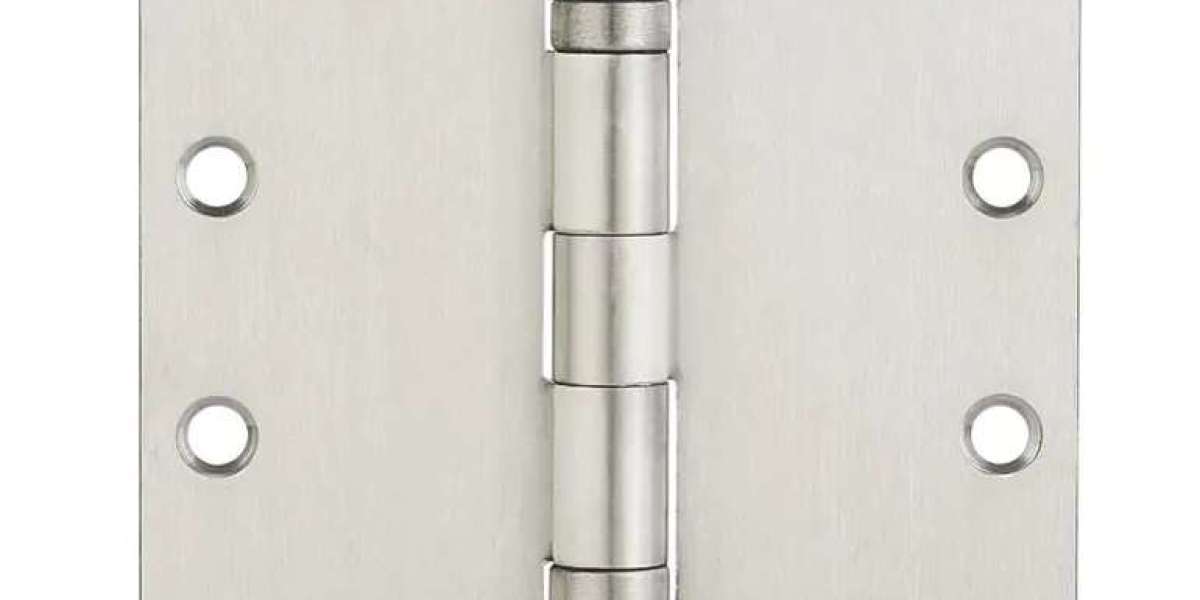

Introduction to Multi-Function Hydraulic Hinges
Multi-Function Hydraulic Hinges are widely used in high-end doors, cabinets, and specialized furniture due to their smooth motion control and durability. These hinges not only facilitate quiet and controlled opening and closing but also offer adjustable tension and damping functions. However, improper installation can result in hinge loosening or door deformation, which compromises both functionality and aesthetic appeal. Understanding best installation practices is essential for maintaining performance and extending the service life of the hinges.
Proper Preparation Before Installation
The first step in avoiding hinge loosening or door warping is thorough preparation. Accurate measurements of the door and frame are critical, as any misalignment can lead to stress on the hinge. The mounting surfaces should be clean, flat, and free from debris or warping. Pre-drilling pilot holes for screws helps prevent wood splitting or misaligned fastening, which could otherwise cause the door to sag or the hinges to loosen over time. Using a level and measuring tools ensures precise positioning before securing the hinges.
Correct Fastening Techniques
Proper fastening of Multi-Function Hydraulic Hinges is crucial to stability. Screws must be chosen according to the hinge specifications and the material of the door and frame. Over-tightening can distort the hinge or the door, while under-tightening may result in loosening during repeated use. It is recommended to tighten screws gradually in a cross-pattern approach, checking the alignment at each step. Using washers or reinforced screw plates for heavy doors can further reduce the risk of movement and enhance load distribution.
Ensuring Even Weight Distribution
Doors that are not properly balanced put excessive strain on the hinges, leading to deformation or loosening. Multi-Function Hydraulic Hinges are designed to support specific weight ranges, and distributing the load evenly is essential. For large or heavy doors, multiple hinges should be installed at strategic points to share the weight. Ensuring that the hinges are aligned along the vertical plane prevents undue stress on any single hinge and reduces the risk of warping the door over time.
Fine-Tuning and Adjustment
One of the main advantages of hydraulic hinges is adjustability. After initial installation, adjustments can be made to height, lateral position, and tension to ensure the door sits perfectly in the frame. Minor adjustments help prevent rubbing against the frame or uneven gaps, which are common causes of deformation. Following the manufacturer’s guidelines for adjustments is essential to maintain optimal hinge performance and avoid mechanical strain.
Regular Maintenance
Even with careful installation, periodic maintenance is necessary to prevent long-term loosening or door warping. Checking screws for tightness, inspecting hinge alignment, and lubricating moving parts ensures smooth operation and reduces stress on the door. Routine inspection allows early detection of any issues, such as minor misalignment or wear, which can be corrected before they escalate into serious problems.
Preventing hinge loosening or door deformation when installing Multi-Function Hydraulic Hinges involves careful preparation, correct fastening, even weight distribution, precise adjustments, and regular maintenance. Attention to these details ensures that the door operates smoothly, maintains its alignment, and benefits from the full advantages of hydraulic control. Proper installation not only preserves the aesthetic quality of the door but also extends the longevity of both the hinges and the door itself.