
Introduction to Auto Adjusting Welding Helmets
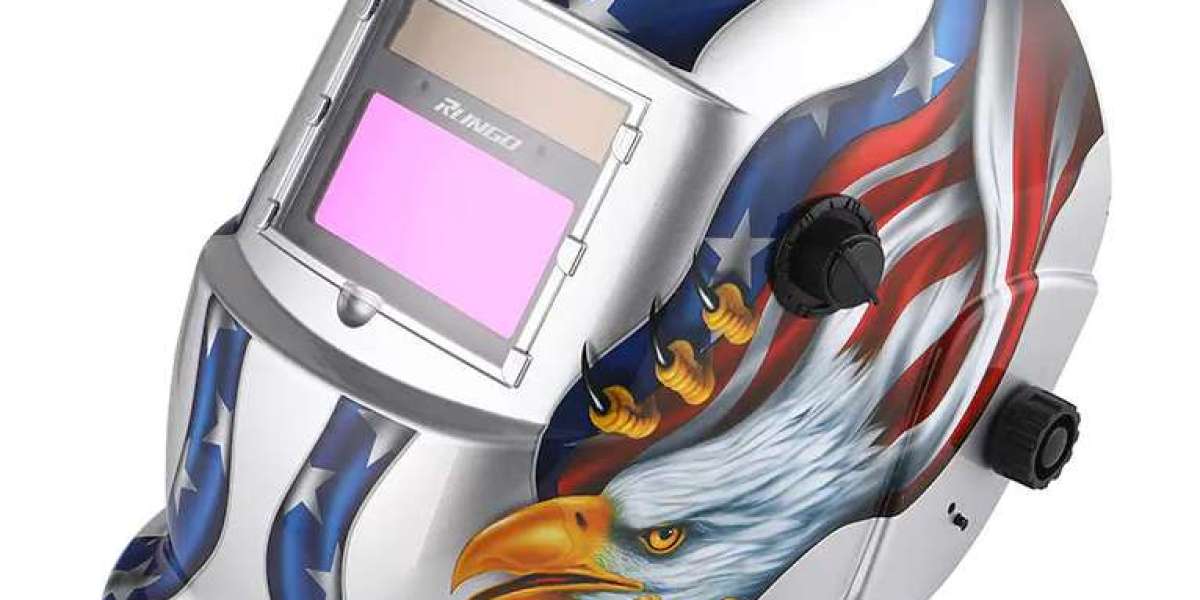
Welding can be physically demanding, and wearing protective gear for long periods can impact comfort and productivity. The Auto Adjusting Welding Helmet, equipped with automatic shade adjustment and ergonomic design, is designed to protect the eyes and face from harmful UV and infrared radiation. While the helmet offers advanced protection, a key consideration for welders is whether it is suitable for long-term use. This article explores the factors affecting comfort and usability when wearing an auto-adjusting welding helmet over extended periods.
Ergonomic Design and Weight Distribution
One of the primary considerations for long-term wear is the helmet’s weight and how it is distributed across the head. An Auto Adjusting Welding Helmet is typically constructed with lightweight, durable materials such as polycarbonate or fiberglass. These materials reduce the strain on the neck and shoulders during prolonged use. The helmet’s design also aims for balanced weight distribution, ensuring that the bulk of the weight does not rest solely on the front or back of the head. Properly balanced helmets help prevent fatigue, allowing welders to maintain focus and precision throughout long work sessions.
Adjustable Headgear and Fit
Comfort during extended wear is closely tied to how well the helmet fits. Auto Adjusting Welding Helmets usually feature adjustable headgear with multiple points of contact, including a headband, crown strap, and sometimes a neck strap. These adjustments allow welders to customize the helmet to their specific head size and shape, ensuring a secure yet comfortable fit. A poorly fitting helmet can cause pressure points, discomfort, or slippage, which may lead to distractions or even unsafe conditions. Proper adjustment of the headgear ensures stability and comfort, making long hours of welding more manageable.
Ventilation and Heat Management
Another factor influencing long-term comfort is ventilation. Welding generates heat, and helmets without sufficient airflow can become hot and uncomfortable over time. Many auto-adjusting helmets include built-in ventilation systems or breathable padding to help reduce heat buildup and moisture. Adequate airflow not only improves comfort but also minimizes sweating and skin irritation, which are common issues during extended welding sessions. Helmets with proper ventilation contribute to a cooler, more comfortable experience during prolonged wear.
Eye and Face Protection
In addition to comfort, an Auto Adjusting Welding Helmet provides essential protection for the eyes and face. The helmet’s auto-darkening feature protects against sudden flashes of bright light, reducing eye strain and fatigue. High-quality lenses offer consistent shading and optical clarity, which is crucial for reducing visual stress during long periods of welding. Proper protection helps maintain concentration and overall efficiency, allowing welders to perform safely and accurately over extended hours.
The Auto Adjusting Welding Helmet is generally well-suited for long-term use due to its ergonomic design, adjustable fit, and lightweight materials. Features such as ventilation and auto-darkening lenses further enhance comfort and reduce fatigue, making it easier for welders to work safely for extended periods. However, ensuring a proper fit and periodically taking short breaks can further improve comfort during long shifts. Overall, with correct adjustment and usage, an auto-adjusting welding helmet can be a reliable choice for welders who spend long hours on the job.