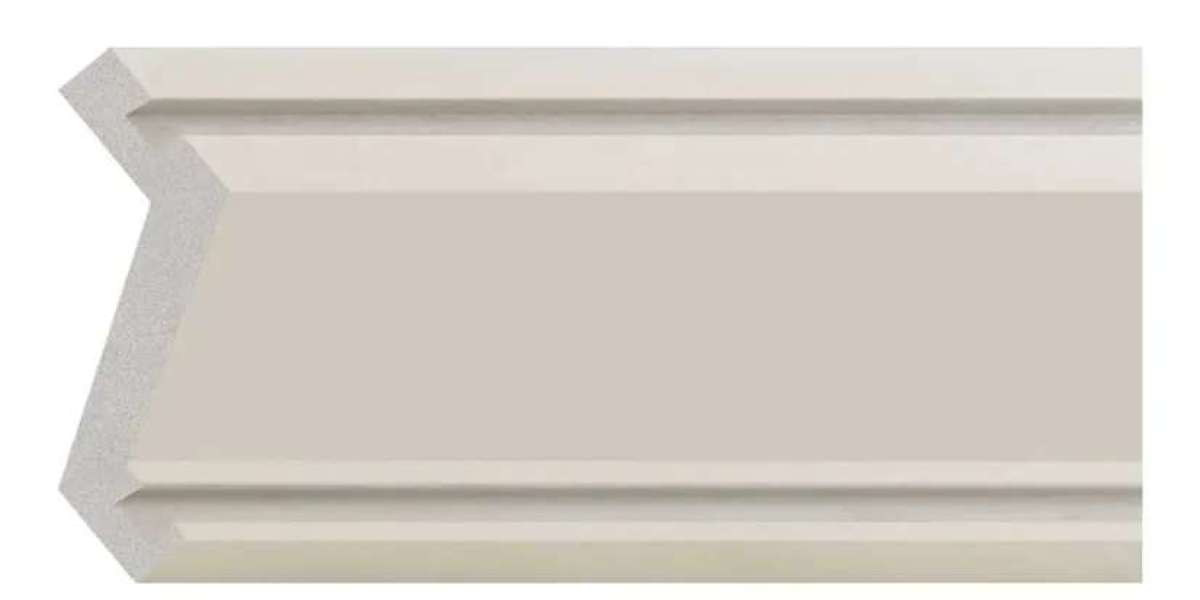

Introduction: Enhancing Appearance with Surface Finishes
MDF Framing Moulding has become a popular choice in interior design due to its smooth surface, uniform texture, and affordability compared to natural wood. One of the most frequently asked questions by homeowners and designers is whether its surface can be painted or laminated. Understanding the capabilities and limitations of MDF moulding in terms of finishing is essential for achieving both aesthetic appeal and long-term durability.
Painting MDF Moulding
MDF moulding is particularly well-suited for painting because of its smooth and dense surface. Unlike solid wood, MDF does not have natural grain patterns, knots, or imperfections that can interfere with paint adhesion. Before painting, it is generally recommended to apply a primer to seal the surface and improve the bonding of paint. Water-based or oil-based paints can be used depending on the desired finish, with glossy or matte coatings available. Proper preparation and multiple coats of paint result in a uniform, professional-looking surface, making MDF a versatile option for both traditional and modern interior styles.
Laminating MDF Moulding
In addition to painting, MDF moulding can also be laminated with thin decorative films or veneers. Laminating provides an opportunity to mimic the appearance of real wood or other textures while offering additional protection against scratches, stains, and moisture. The lamination process involves applying an adhesive layer and pressing the film onto the MDF surface. While this technique can significantly enhance aesthetic appeal, care must be taken to select high-quality laminates and proper installation methods to avoid peeling or bubbling over time. Laminating is often favored in areas where durability and easy maintenance are priorities.
Benefits of Finishing MDF
Finishing MDF moulding with paint or laminate not only improves its visual appeal but also contributes to its longevity. Painted or laminated surfaces are easier to clean and maintain, protecting the core material from minor moisture exposure and everyday wear. This makes MDF moulding a practical choice for living rooms, hallways, kitchens, and even commercial spaces. Furthermore, the wide range of paint colors and laminate textures allows designers and homeowners to achieve customized looks without the higher costs associated with solid wood.
Versatile and Customizable Option
MDF Framing Moulding is highly adaptable when it comes to surface treatments. Its smooth and uniform structure allows for high-quality painting and laminating, offering flexibility in design and function. Whether aiming for a sleek modern finish or a wood-like appearance, MDF moulding can meet diverse aesthetic and practical requirements, making it a valuable material in contemporary interior decoration.