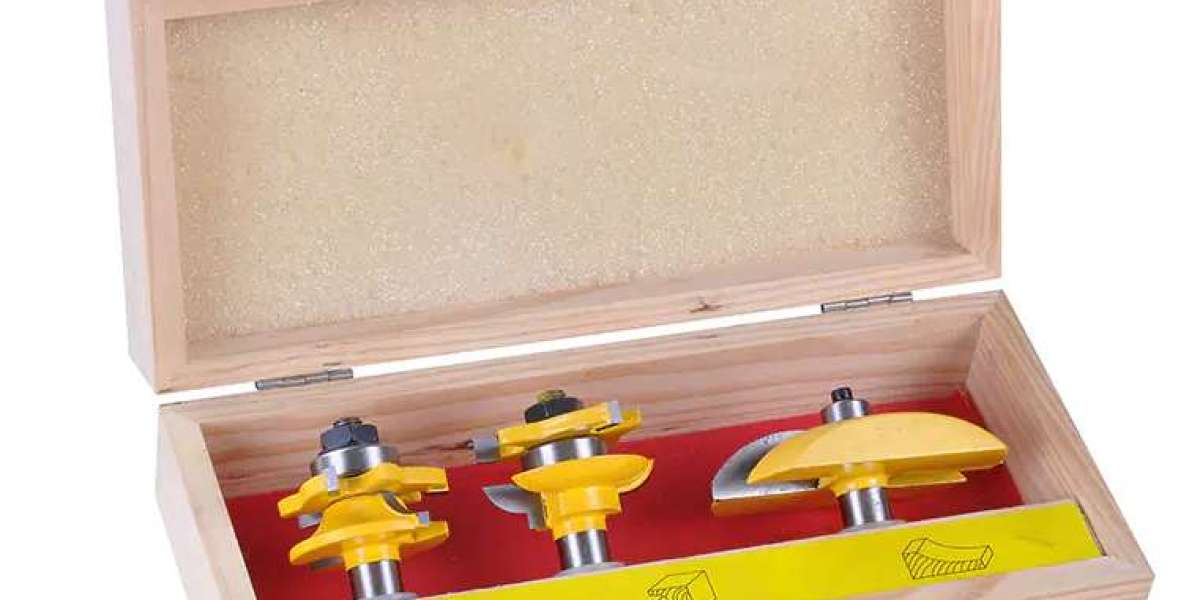

Introduction: Importance of Proper Use
A Milling Cutter for Wood is an essential tool for shaping, cutting, and finishing wood in both professional and DIY projects. However, improper handling can easily lead to breakage, causing damage to the tool, the workpiece, or even injury to the user. Understanding the factors that contribute to cutter breakage and adopting proper techniques is crucial for ensuring safety and prolonging the lifespan of the tool.
Selecting the Right Cutter and Material
The first step in preventing breakage is choosing the correct milling cutter for the specific wood type and project. High-speed steel or carbide-tipped cutters are commonly used, depending on the hardness of the wood. Using a cutter that is too small or weak for dense hardwood increases the risk of snapping. Similarly, using a cutter on unsuitable materials, such as metal or excessively dry wood, can cause undue stress. Ensuring the cutter matches the application reduces the likelihood of breakage.
Proper Speed and Feed Rate
Maintaining the correct rotation speed and feed rate is essential for preventing breakage. Excessive speed generates heat and can weaken the cutter, while too high a feed rate forces the tool into the wood, increasing stress on the cutting edges. Conversely, drilling too slowly can lead to uneven cutting and binding. Always refer to manufacturer recommendations for speed and feed for different wood types. Using a variable-speed router or milling machine allows better control, ensuring smoother cuts and reducing the risk of tool failure.
Correct Technique and Support
Proper technique also plays a critical role. Hold the workpiece securely and avoid forcing the cutter through the wood. Let the tool do the cutting, applying steady and moderate pressure. For deeper cuts, it is safer to make multiple passes rather than attempting a single, aggressive cut. Additionally, supporting the workpiece with clamps or a stable table prevents vibrations that could cause the cutter to twist or snap. A steady hand and controlled movements reduce stress on both the cutter and the wood.
Maintenance and Inspection
Regular maintenance significantly improves the durability of a milling cutter. Inspect the cutter for wear, chips, or cracks before each use. Dull cutters require more force and are more prone to breaking, so sharpening or replacing worn tools is necessary. Proper storage in a dry, protected environment prevents corrosion or accidental damage. Keeping the cutter clean and free of wood debris ensures smoother operation and reduces the risk of binding during cutting.
Safety and Longevity
Preventing breakage of a Milling Cutter for Wood requires proper selection, correct speed and feed rates, careful technique, and regular maintenance. By following these best practices, woodworkers can achieve clean, precise cuts while minimizing risks. Taking these precautions ensures both safety and long-term tool reliability, making woodworking projects more efficient and successful.