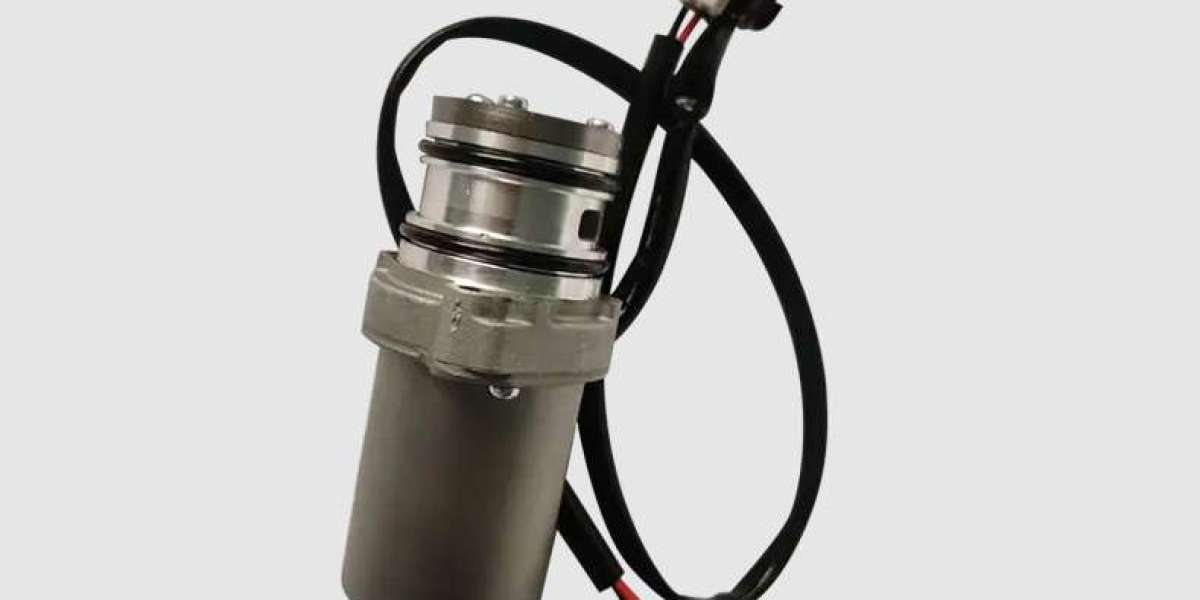

What Makes Steam Pump Motors Energy-Efficient?
A Steam Pump Motor is an industrial device that uses steam to generate mechanical power, which is then used to drive pumps. In many applications, such as power plants, water treatment facilities, and chemical processing, energy efficiency is a critical consideration. As industries look for ways to reduce operational costs and improve sustainability, Steam Pump Motors offer a compelling solution. Their ability to convert thermal energy from steam into mechanical power can lead to significant energy savings, making them an attractive choice for many industrial settings.
Efficient Conversion of Steam Energy
The primary advantage of using a Steam Pump Motor is its ability to efficiently convert steam energy into mechanical power. Unlike other motors, which may require electricity or more complex energy sources, steam motors leverage the abundant and often cost-effective steam produced in many industrial processes. By using steam, which is typically a by-product of other operations, these motors help companies optimize the use of available resources, leading to reduced reliance on external power supplies. This efficient energy conversion ensures that more of the steam’s energy is directly translated into useful mechanical output, which is essential for pump operations.
Reduced Electricity Consumption
One of the main benefits of Steam Pump Motors in terms of energy efficiency is their ability to reduce electricity consumption. In many industrial plants, electricity is the most expensive form of energy. Traditional electric motors require a constant supply of electricity to function, often leading to high operational costs. Steam, on the other hand, is often cheaper and can be produced through waste heat recovery or from renewable energy sources. By using steam to power the motor, industries can significantly cut down on their electricity usage, leading to lower energy costs and a reduced carbon footprint.
Moreover, because Steam Pump Motors can operate independently of the electrical grid, they are particularly useful in remote locations or areas where the electricity supply is unreliable. In these scenarios, the steam-powered motor can provide a stable, efficient source of power, making it both an economically and environmentally sound choice.
Long-Term Energy Savings
Over the long term, Steam Pump Motors offer significant savings due to their durability and efficiency. Steam systems tend to have a longer lifespan compared to electric motors, requiring less frequent maintenance and replacement. This longevity translates into lower maintenance costs and fewer operational disruptions, which further contribute to energy savings. Additionally, the efficiency of steam motors can be optimized by adjusting their speed and operational parameters based on the specific needs of the application. This adaptability ensures that energy is not wasted and that the motor operates at peak performance.
Another important factor is the ability of steam systems to harness waste heat from other processes. In industries like power generation and chemical manufacturing, steam is often a by-product of heat or chemical reactions. Instead of letting this heat go to waste, companies can use it to generate steam that powers Steam Pump Motors, thus creating a closed-loop system that maximizes energy use and minimizes waste. This integration of steam-powered motors with existing processes is one of the reasons why they are so energy-efficient.
Contribution to Sustainability Goals
In today’s world, sustainability is a key consideration for many industries. Steam Pump Motors contribute to this by reducing reliance on non-renewable energy sources and decreasing overall energy consumption. By making use of waste steam or renewable steam sources, these motors help to lower a company’s carbon footprint, making them a valuable tool in meeting sustainability targets. Furthermore, the efficiency of these motors aligns with global efforts to reduce energy waste and improve environmental impact.
Why Choose a Steam Pump Motor for Energy Efficiency?
The Steam Pump Motor offers numerous advantages in terms of energy efficiency. By converting steam into mechanical power, reducing electricity consumption, and leveraging waste heat, steam-powered motors provide a cost-effective and sustainable solution for industries that rely on pumping systems. Their ability to operate independently of the electrical grid, along with their long lifespan and low maintenance needs, makes them a reliable and economical choice. As businesses continue to focus on energy savings and sustainability, steam pump motors are becoming an increasingly valuable component of industrial operations.
Current Type: DC
Motor Type: Permanent magnet brushed motor
Applicable Products: Hydraulic pump, Hydraulic system
Used for forklifts, lifting platforms, tail lifts, and medical beds