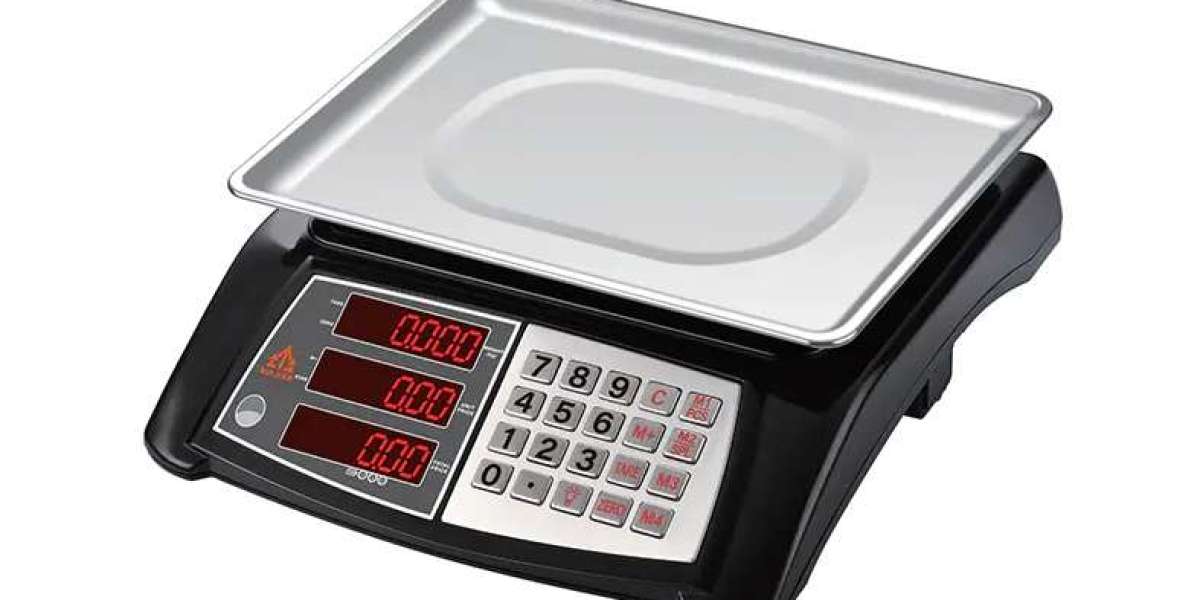

How to Clean and Maintain Commercial Electronic Scales
Commercial electronic scales are essential tools in a variety of businesses, from retail to logistics. To ensure their accuracy and longevity, proper cleaning and maintenance are crucial. Regular care not only helps to prevent mechanical issues but also keeps the scale functioning at its best, ensuring reliable weight measurements. This article explores how to properly clean and maintain a commercial electronic scale.
Cleaning Your Commercial Electronic Scale
Cleaning a commercial electronic scale is relatively simple, but it’s important to do so regularly to prevent dirt, dust, and other debris from affecting its performance. When cleaning, always turn off the scale and disconnect it from any power source to avoid electrical issues.
Start by wiping down the scale’s surface with a soft, lint-free cloth to remove dust and loose dirt. If necessary, lightly dampen the cloth with water or a mild cleaning solution. Avoid using harsh chemicals or abrasive materials, as they can damage the scale’s surface or internal components. For areas around the load cell and weighing platform, use a gentle brush or compressed air to remove any buildup, especially around the edges where dust can accumulate.
The weighing platform is particularly important to keep clean, as even small particles can affect the accuracy of measurements. Make sure there are no residues from food, liquids, or other substances on the scale, as these can cause the platform to become slippery or uneven, leading to inaccurate readings.
Maintaining the Load Cell and Sensors
The load cell, which is the part of the scale that measures the weight, is the most sensitive component of a commercial electronic scale. Over time, dirt, moisture, or physical damage can impair its function, leading to inaccurate readings. It’s important to check the load cell regularly for any signs of damage, such as cracks or corrosion.
To keep the load cell functioning properly, ensure it’s free from any dust or moisture. If your scale is used in an environment with high humidity, consider using a protective cover to shield the scale from moisture. Additionally, avoid placing heavy or unevenly distributed weights on the scale, as this can damage the load cell over time.
Calibration and Regular Inspections
Proper calibration is vital for maintaining the accuracy of your commercial electronic scale. Even with routine cleaning, the scale may need recalibration periodically to ensure its readings remain accurate. Calibration should be done according to the manufacturer’s guidelines or, for more complex models, by a professional technician. Most commercial scales require calibration after extended use or if they have been moved to a new location where conditions, such as temperature or humidity, are different.
In addition to calibration, it’s important to perform regular inspections of your scale’s mechanical parts. Check for loose screws, misalignments, or any signs of wear and tear. A simple visual inspection can often prevent more serious issues down the line. It’s also important to ensure that the scale’s display and buttons are functioning properly, as electrical components can wear out over time.
Proper cleaning and maintenance are key to ensuring that a commercial electronic scale remains accurate and reliable throughout its lifespan. Regular cleaning, including wiping down surfaces and maintaining the load cell, helps to prevent dirt and debris from affecting performance. Regular calibration and inspections ensure that the scale continues to provide accurate measurements and that any potential issues are caught early. By investing time in proper care, businesses can extend the life of their scales, avoid costly repairs, and ensure smooth, efficient operations.