
Understanding Roll Mouth Cupcake Liners
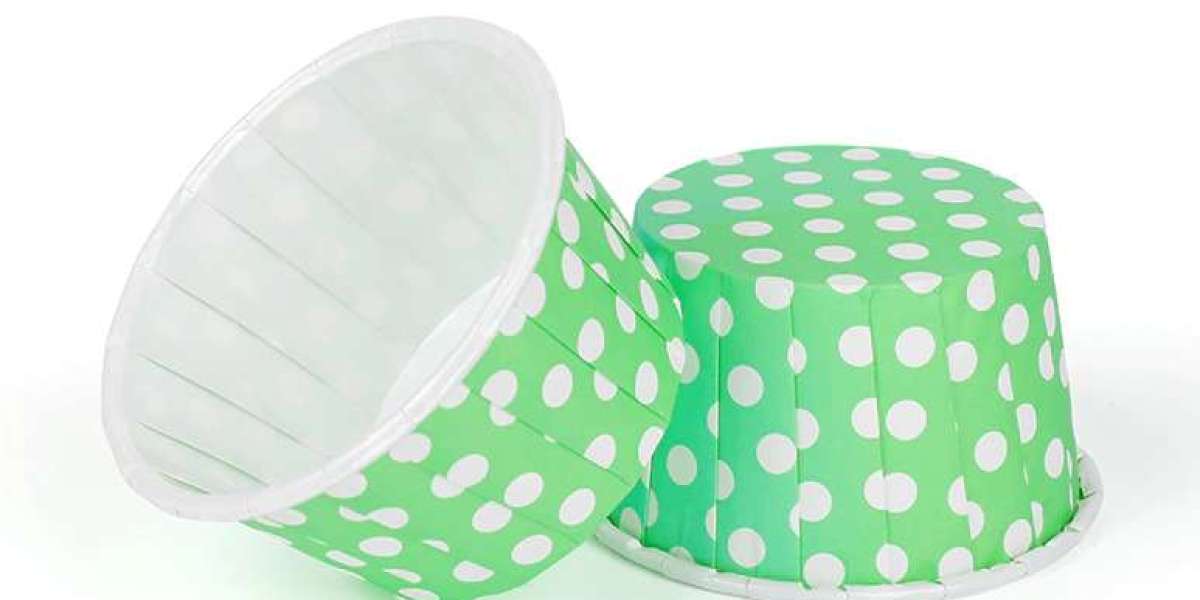
Roll mouth cupcake liners are widely used in both home and commercial baking due to their distinctive rolled rim design. This structural feature strengthens the edge of the liner, helping it maintain shape during filling and baking. Roll Mouth Baking Paper Cupcake Liners are commonly made from high-quality greaseproof paper and are designed to offer better performance than standard flat-edge paper liners. A frequent concern among bakers is whether these liners can effectively resist oil and prevent leakage, especially when used with rich, high-fat recipes.
How Grease Resistance Works in Baking Paper
Grease resistance in paper liners depends largely on the type of paper and any surface treatments applied during manufacturing. Baking paper used for cupcake liners is typically processed to reduce porosity, limiting the absorption of oils and moisture. In roll mouth designs, the paper is often thicker and more compact, which further enhances its ability to block grease migration. This construction helps prevent oil from seeping through the liner and staining the outside surface during baking.
Advantages of the Roll Mouth Design
The rolled rim does more than improve appearance. It adds rigidity to the liner walls, reducing the likelihood of collapse when filled with dense or oily batter. This added strength also helps contain melted fats as the cupcake bakes, minimizing the chance of oil pooling at the base or leaking onto baking trays. Because of this, Roll Mouth Baking Paper Cupcake Liners are often favored for professional use where consistency and clean presentation are essential.
Suitability for High-Fat Recipes
High-oil and high-butter recipes, such as chocolate cupcakes, muffins with nuts, or cheese-based batters, present greater challenges for liners. In these cases, standard thin paper liners may become saturated, leading to greasy surfaces and weakened structure. Roll mouth liners made from greaseproof paper are generally well-suited for such recipes, as their enhanced density and surface treatment slow oil penetration. While no paper liner is completely oil-proof, these liners perform reliably for most high-fat formulations used in bakeries and cafés.
Visual Appearance After Baking
One of the most noticeable effects of oil seepage is discoloration. Liners that absorb grease often appear translucent or unevenly darkened after baking, which can detract from product appeal. Roll mouth liners tend to retain their color and pattern better than ordinary paper liners, especially when paired with proper baking temperatures and cooling practices. This makes them a popular choice for display baking and retail packaging.
Factors That Influence Performance
Even with high-quality liners, baking conditions play an important role. Extremely high baking temperatures, excessive fat content, or prolonged baking times can increase oil migration. Proper portioning and avoiding overfilling help liners perform as intended. Selecting liners from reputable manufacturers ensures that the paper quality and grease resistance meet food packaging standards.
Making the Right Choice for Your Baking Needs
For bakers who frequently work with rich, oily recipes, roll mouth paper liners offer a practical balance between performance, convenience, and presentation. They provide effective grease resistance for most applications while remaining easy to use and disposable. By understanding their material properties and limitations, bakers can confidently choose liners that support clean results and professional-quality baked goods.