
Introduction to Pump Materials
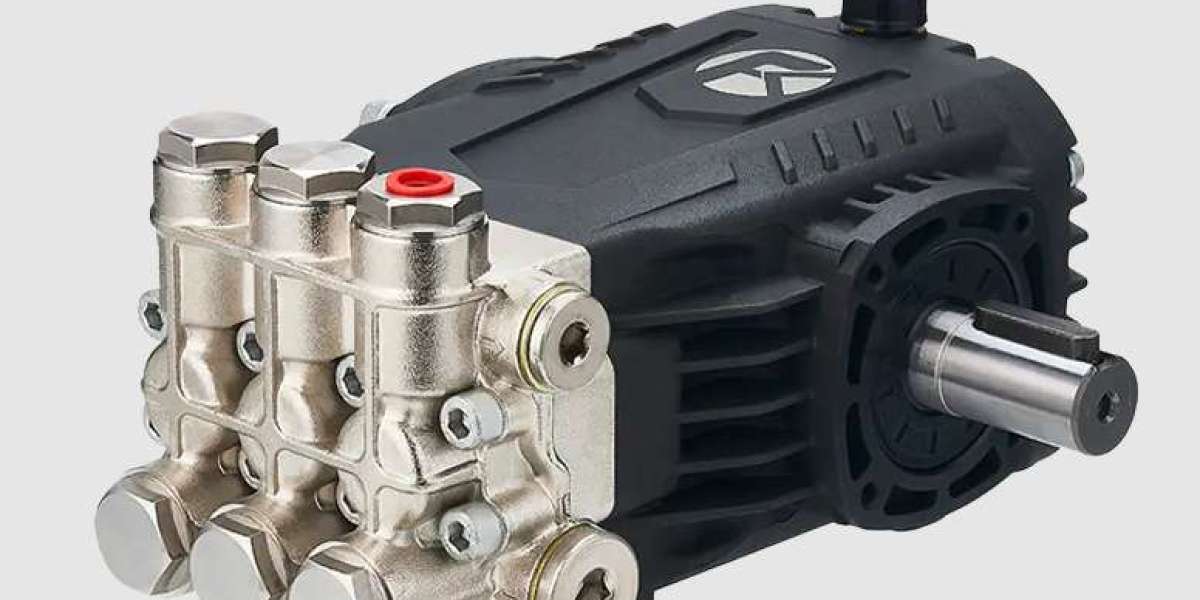
Choosing the right pump material is critical for ensuring reliability, durability, and efficiency in industrial applications. While cast iron pumps have been used for decades due to their affordability and structural strength, the Stainless Steel Pump offers several advantages that make it a superior choice in many demanding environments. Understanding these benefits helps engineers and operators make informed decisions when selecting pumps for various applications.
Superior Corrosion Resistance
One of the primary advantages of stainless steel over cast iron is its exceptional corrosion resistance. Cast iron is prone to rust and degradation when exposed to water, chemicals, or acidic fluids, which can reduce pump lifespan and compromise performance. Stainless steel, on the other hand, forms a protective oxide layer that prevents corrosion and maintains structural integrity. This makes stainless steel pumps ideal for applications in chemical processing, food and beverage production, and water treatment, where exposure to corrosive media is common.
Enhanced Durability and Longevity
Stainless steel pumps are generally more durable than cast-iron pumps under harsh operating conditions. They can withstand high pressures, temperature fluctuations, and abrasive fluids without cracking or deteriorating. While cast iron pumps are strong, they are more brittle and susceptible to chipping or breaking under impact or thermal stress. The robustness of stainless steel ensures longer service life, reducing the need for frequent replacements and maintenance.
Hygiene and Safety Benefits
In industries where hygiene and cleanliness are critical, stainless steel pumps have a clear advantage over cast iron. Stainless steel surfaces are smooth and non-porous, which minimizes bacterial growth and makes cleaning easier. Cast iron, especially when coated or painted, can develop cracks and pits that trap contaminants. For food, pharmaceutical, and beverage applications, using stainless steel pumps ensures product safety and compliance with strict sanitary standards.
Reduced Maintenance Requirements
Due to their corrosion resistance and durability, stainless steel pumps typically require less maintenance than cast iron pumps. They are less prone to rust, scaling, or pitting, which reduces downtime and maintenance costs. Cast iron pumps may need protective coatings, frequent inspections, or part replacements to prevent failure in corrosive environments. Investing in stainless steel pumps can save both time and money over the life of the equipment.
Versatility in Applications
Stainless steel pumps are versatile and suitable for a wide range of liquids, including acidic, alkaline, and abrasive fluids. Cast iron pumps are limited in handling certain chemicals due to their susceptibility to corrosion. The adaptability of stainless steel pumps allows them to operate effectively in diverse industrial sectors, from chemical plants and water treatment facilities to food processing and pharmaceutical manufacturing.
Compared to cast iron pumps, the Stainless Steel Pump offers superior corrosion resistance, durability, hygiene, reduced maintenance, and versatility. While cast iron may remain a cost-effective option for less demanding applications, stainless steel pumps provide long-term reliability and performance, making them the preferred choice for industries that require consistent, safe, and efficient fluid handling.