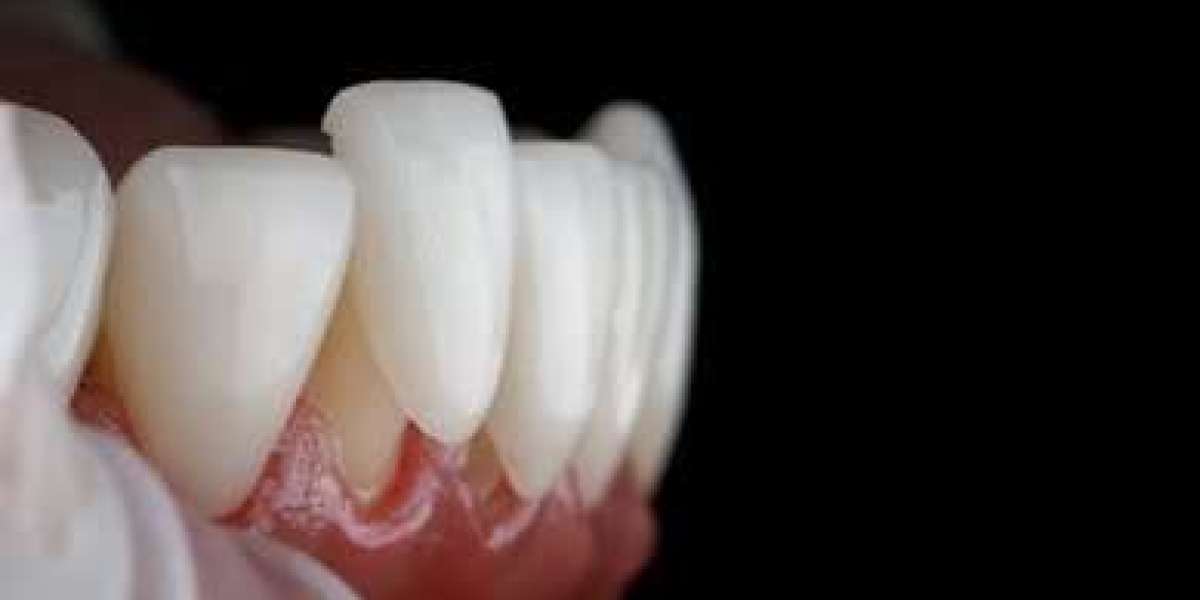

What Exactly is a Dental Crown?
Think of a dental crown as a protective cap that fits over your damaged tooth like a custom-made helmet. It's designed to look, feel, and function just like your natural tooth. Whether your tooth has been weakened by a large cavity, cracked from biting something hard, or worn down over time, a crown can bring it back to life.
The beauty of modern dental crowns lies in their versatility. They don't just protect your tooth from further damage—they also restore its natural shape, improve your bite, and give you back the confidence to smile freely.
Understanding Your Crown Options: Which Type is Right for You?
Walking into a dental clinic and hearing about different crown materials can feel overwhelming. Let me break it down in simple terms so you can make an informed decision.
Porcelain Crowns: The Natural Look
If you're concerned about how your crown will look, especially on front teeth, porcelain crowns are your best friend. They're crafted entirely from dental-grade porcelain that mimics the translucency and color of natural teeth so well that even you might forget which tooth has the crown.
The catch? While they look fantastic, they're not quite as tough as some other materials. They work beautifully for front teeth where aesthetics matter most, but you might want to consider other options for back teeth that handle heavy chewing.
Ceramic Crowns: Beauty Meets Function
Ceramic crowns are similar to porcelain but offer slightly better strength. They're an excellent choice if you have metal allergies or simply prefer an all-ceramic restoration. The material blends seamlessly with your surrounding teeth, making them virtually invisible.
Metal Crowns: The Workhorses
Let's be honest—metal crowns aren't winning any beauty contests. But what they lack in aesthetics, they make up for in durability. Made from gold alloys or other strong metals, these crowns can withstand enormous chewing forces and rarely chip or break.
They're perfect for back molars where appearance isn't a priority but strength is essential. Many dentists love them because they require minimal removal of your natural tooth structure.
Porcelain-Fused-to-Metal: The Best of Both Worlds
Want strength and good looks? PFM crowns combine a metal base for durability with a porcelain outer layer for aesthetics. They're a popular middle-ground option that works well for both front and back teeth.
The only potential downside is that over time, the metal base might show through as a dark line near the gum line, especially if your gums recede slightly.
Zirconia Crowns: The Modern Marvel
Zirconia has become increasingly popular in recent years, and for good reason. This material is incredibly strong—strong enough for back teeth—yet can be made to look quite natural. It's biocompatible, meaning your gums will love it, and it's resistant to wear.
If you're looking for a crown that combines durability with decent aesthetics and you don't mind investing a bit more, zirconia might be your answer.
Resin Crowns: The Temporary Solution
Resin crowns are typically used as temporary solutions while your permanent crown is being made. They're affordable and quick to produce, but they're not meant to last long-term. They're more prone to staining and wear compared to other materials.
Why Choose Dental Crowns? The Real Benefits
Beyond the obvious benefit of saving a damaged tooth, crowns offer several advantages that can improve your quality of life:
They protect vulnerable teeth: After a root canal or when a tooth has a large filling, crowns prevent fractures and further damage. Think of them as insurance for your tooth.
They restore full functionality: That annoying discomfort when chewing on one side? Gone. Crowns let you eat your favorite foods without worry or pain.
They boost your confidence: There's something powerful about smiling without self-consciousness. A well-fitted crown can restore not just your tooth, but your social confidence too.
They're long-lasting: With proper care, a quality crown can last 10-15 years or even longer. That's excellent value for your investment in your oral health.
The Cost Factor: What to Expect in Pune
Let's talk numbers. Dental crown costs in Pune can start from as low as Rs. 900 for basic options, but typically range from Rs. 2,000 to Rs. 15,000 or more depending on the material you choose.
Here's what influences the price: the type of material (metal is usually cheaper than zirconia), the complexity of your case, the location of the tooth, and the expertise of the dental clinic you choose. Premium materials and experienced specialists naturally command higher prices, but they also often deliver better long-term results.
The key is finding a clinic that offers transparent pricing and doesn't surprise you with hidden costs. Always ask for a detailed estimate before proceeding with treatment.
Finding the Right Dental Clinic in Pune
When searching for a "dental crown specialist near me," don't just go with the first result. Your smile deserves better than a hasty decision. Here's what to look for:
Experience matters: Choose a clinic with dentists who have substantial experience in crown procedures. Ask about their training and how many crowns they've placed.
Technology counts: Modern dental technology ensures better fitting crowns and more comfortable procedures. Digital impressions, for instance, are more accurate and pleasant than traditional molds.
Reviews tell stories: Check online reviews and testimonials. Real patient experiences can give you insights into the clinic's service quality and patient care.
Transparent communication: A good dental clinic will explain your options clearly, answer all your questions patiently, and never pressure you into unnecessary treatments.
Life After Your Crown: Caring for Your Investment
Getting a crown isn't the end of the journey—it's the beginning of a new chapter for that tooth. Here's how to make sure your crown lasts as long as possible:
Maintain excellent oral hygiene just as you would with natural teeth. Brush twice daily, floss regularly, and don't skip those dental check-ups. Your crown might be artificial, but the tooth underneath and the surrounding gums are very much alive and need care.
Avoid using your teeth as tools. That means no opening packages, cracking nuts, or chewing ice. These habits can damage even the strongest crowns.
If you grind your teeth at night, talk to your dentist about a night guard. Grinding can wear down your crown over time and potentially cause it to crack.
Be mindful of what you eat, especially in the first few days after getting your crown. Stick to softer foods initially and avoid anything extremely hard or sticky.
The Bottom Line
Dental crowns have come a long way from the obvious "fake teeth" of decades past. Today's crowns are sophisticated dental restorations that can seamlessly blend with your natural teeth while providing strength and protection.