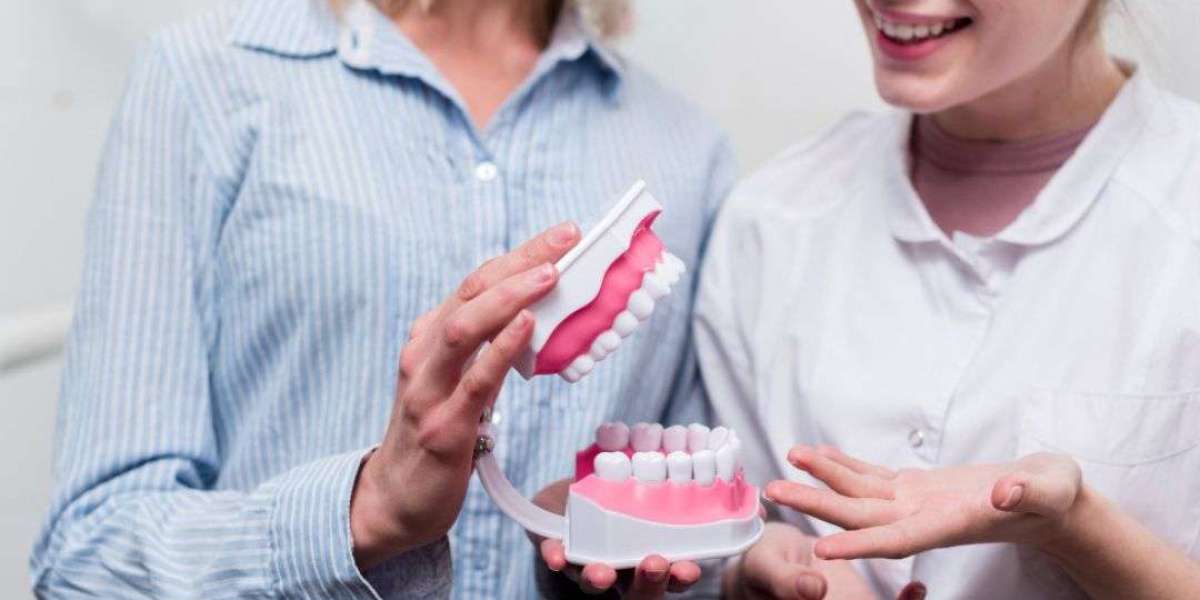

Dental Implants vs Dentures: A Complete Long-Term Oral Health Guide
Missing teeth don’t just affect your smile—they impact chewing, speech, jawbone health, and overall confidence. When choosing a tooth replacement, most people consider dental implants or dentures, but the long-term oral health effects of each option are very different.
What Are Dental Implants?
Dental implants are permanent tooth replacements where a titanium post is surgically placed into the jawbone. This post acts like a natural tooth root and supports a crown, bridge, or full arch restoration.
Key Features of Dental Implants:
- Fixed and non-removable
- Stimulate jawbone growth
- Look and function like natural teeth
- Designed to last decades with proper care
What Are Dentures?
Dentures are removable appliances used to replace missing teeth. They can be partial or complete, depending on how many teeth are lost.
Key Features of Dentures:
- Removable and affordable initially
- No surgery required
- May loosen over time
- Require regular adjustments
Long-Term Oral Health Comparison
Jawbone Health
Dental implants actively preserve jawbone density by mimicking natural tooth roots. Dentures, on the other hand, do not stimulate the bone, leading to gradual bone loss and facial sagging over time.
Comfort & Stability
Implants remain stable during eating and speaking. Dentures may slip, cause sore spots, and require adhesives, especially after years of use.
Gum & Tooth Protection
Dental implants don’t rely on neighboring teeth for support. Dentures can place pressure on gums and surrounding teeth, increasing irritation and wear.
Durability
Implants often last 20+ years or even a lifetime. Dentures typically need replacement every 5–8 years due to wear and jawbone changes.
Cost: Short-Term vs Long-Term Value
Dentures are more affordable initially, but repeated replacements, adjustments, and adhesives add long-term costs. Dental implants cost more upfront but offer better value over time due to their durability and minimal maintenance.
Aesthetic & Confidence Impact
Dental implants look and feel natural, allowing you to smile, laugh, and eat confidently. Dentures may feel bulky and can affect speech clarity and self-confidence.
Which Option Is Better for Long-Term Oral Health?
If long-term oral health, bone preservation, and comfort are priorities, dental implants are the superior choice. Dentures remain a suitable option for patients seeking a non-surgical or budget-friendly solution, but they require ongoing care and adjustments.
Final Verdict
Both options restore smiles, but dental implants provide unmatched long-term benefits for jawbone health, stability, and quality of life. A consultation with a dental specialist can help determine the best choice based on your oral condition and health goals.