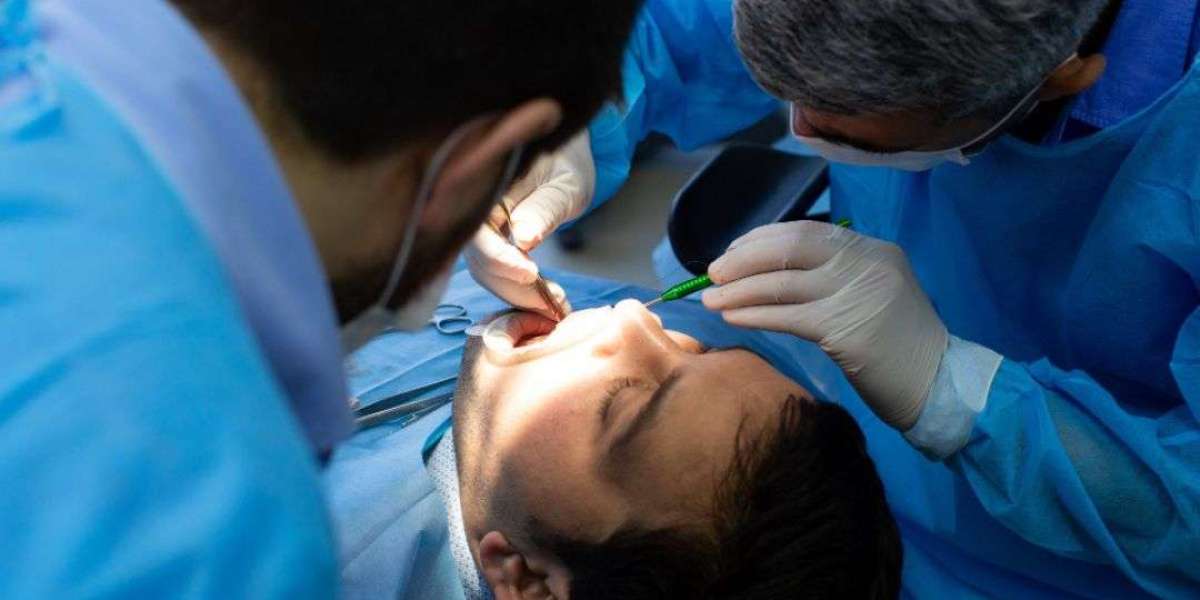

Dental Implant Care After Surgery: What You Need to Know
Dental implant surgery is a safe and effective solution for replacing missing teeth, but proper post-surgery care is crucial for successful healing and long-term results. Following the right aftercare routine helps reduce discomfort, prevents infection, and ensures your implant integrates well with the jawbone.
- Manage Pain and Swelling
Mild pain, swelling, or discomfort is normal after dental implant surgery. Your dentist may prescribe pain relievers or recommend over-the-counter medication. Applying an ice pack on the outside of the face for short intervals during the first 24 hours can help reduce swelling.
- Follow Proper Oral Hygiene
Keeping your mouth clean is essential, but be gentle:
- Avoid brushing the surgical area for the first 24 hours
- Rinse gently with warm salt water after meals
- Use a soft-bristled toothbrush
- Avoid strong mouthwashes unless prescribed
Maintaining oral hygiene prevents infection and promotes faster healing.
- Eat Soft and Nutritious Foods
Stick to soft foods for the first few days after surgery, such as:
- Yogurt
- Soup
- Mashed vegetables
- Smoothies (without a straw)
Avoid hot, spicy, crunchy, or hard foods that may irritate the surgical site.
- Avoid Smoking and Alcohol
Smoking and alcohol can significantly slow down the healing process and increase the risk of implant failure. It’s best to avoid both for at least one to two weeks after surgery—or longer if advised by your dentist.
- Limit Physical Activity
Heavy exercise and strenuous activities should be avoided for a few days post-surgery. Rest allows your body to focus on healing and reduces the chance of bleeding or swelling.
- Watch for Warning Signs
Contact your dentist immediately if you experience:
- Persistent pain or swelling
- Excessive bleeding
- Signs of infection such as pus or fever
- Implant loosening
Early attention can prevent complications.
- Attend Follow-Up Appointments
Regular follow-up visits allow your dentist to monitor healing and ensure the implant is integrating properly with the bone. Never skip these appointments.
Final Thoughts
Proper dental implant care after surgery plays a vital role in the success of your treatment. By following your dentist’s instructions, maintaining oral hygiene, and adopting healthy habits, you can enjoy a strong, natural-looking smile for years to come.