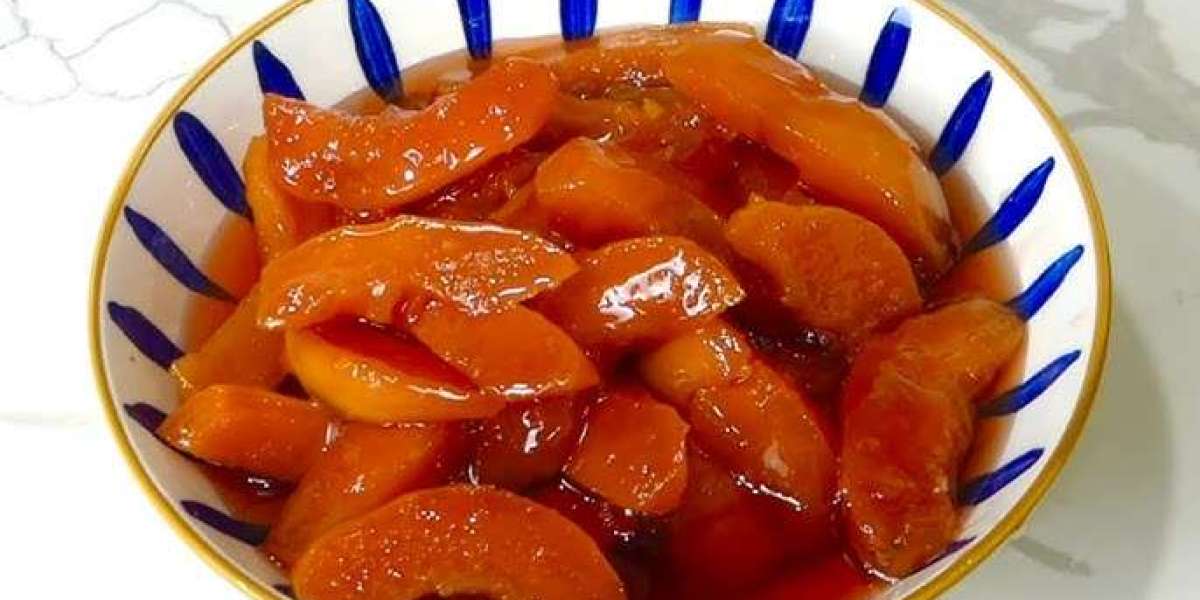

Quince murabba holds a special place in South Asian kitchens, especially in colder regions of Pakistan where traditional foods are still valued for both taste and health. Prepared from ripe quince, this sweet preserve has been part of winter diets for generations. Rich flavor, thick texture, and medicinal benefits make it a must-have seasonal delicacy.
Quince fruit in Pakistan is locally known as bahi and is mostly available during autumn and early winter. Although not eaten raw very often due to its hard texture, quince becomes incredibly aromatic and delicious once cooked into murabba.
Understanding Quince Fruit in Pakistan
Local Availability and Regions
Quince fruit in Pakistan is grown mainly in northern areas such as:
Swat
Gilgit-Baltistan
Quetta
Parts of Khyber Pakhtunkhwa
Cool climate and fertile soil help produce high-quality quinces with strong aroma and firm flesh. Markets usually start offering fresh quince from October to January, making this period ideal for preparing murabba.
Taste and Texture Profile
Raw quince tastes slightly sour and astringent, which is why it is rarely eaten fresh. Cooking transforms its pale flesh into a beautiful golden or reddish hue while releasing a floral fragrance. When preserved properly, quince murabba becomes soft, glossy, and syrupy with a balanced sweet taste.
Cultural Importance of Quince Murabba
Traditional Winter Food
Quince murabba has long been considered a warming food in Pakistani households. Elders often recommend it during winter mornings with paratha or roti. Traditional Unani and Ayurvedic systems also praise quince for its healing properties.
Role in Desi Hospitality
Serving murabba with breakfast or offering it to guests reflects cultural generosity. Homemade murabba, especially from quince fruit in Pakistan, is considered superior to store-bought varieties due to purity and authentic flavor.
Health Benefits of Quince Murabba
Digestive Support
Quince murabba is widely used to improve digestion. Natural fibers and pectin help regulate bowel movement and soothe the stomach.
Boosts Immunity in Winter
Vitamin C content in quince supports immunity, making murabba helpful during flu and cold season. Traditional households often use it as a natural remedy for sore throat and cough.
Heart and Energy Benefits
Iron and antioxidants present in quince fruit in pakistan help improve blood circulation and reduce fatigue. Consuming a small amount daily provides steady energy without heaviness.
How Quince Murabba Is Made at Home
Ingredients Commonly Used
Fresh quince fruit
Sugar
Water
Lemon juice
Optional spices like cloves or cardamom
Preparation Process
Cleaning and Cutting
Quince fruit is thoroughly washed to remove fuzz. Peeling is optional, but seeds are removed carefully. Fruit is sliced evenly for uniform cooking.
Cooking in Sugar Syrup
Slices are first boiled lightly, then cooked slowly in sugar syrup. Slow cooking helps absorb sweetness while retaining shape.
Achieving Perfect Texture
Proper murabba has a thick syrup consistency with soft yet intact fruit pieces. Lemon juice is added near the end to prevent crystallization.
Storage Tips for Long-Lasting Murabba
Proper Containers
Glass jars with airtight lids are best for storing quince murabba. Sterilized jars prevent spoilage and maintain flavor.
Shelf Life
When stored correctly, murabba made from quince fruit in Pakistan can last up to one year without refrigeration. Refrigeration further extends freshness after opening.
Quince Murabba vs Other Fruit Murabbas
Unique Flavor Profile
Compared to apple or carrot murabba, quince murabba has a deeper aroma and slightly tangy sweetness. This uniqueness makes it highly desirable among traditional food lovers.
Nutritional Advantage
Quince contains higher pectin and antioxidants than many common fruits. Murabba prepared from it retains much of this nutritional value.
Buying Quince Fruit in Pakistan
Market Availability
Local sabzi mandis and winter fruit stalls commonly sell quince. Farmers’ markets in northern areas often offer fresher and more aromatic varieties.
Selecting Quality Fruit
Look for firm fruit with yellow skin and minimal blemishes. Strong fragrance indicates ripeness and better flavor for murabba.
Modern Uses of Quince Murabba
Breakfast and Snacks
Spread on toast, served with paratha, or eaten with yogurt, quince murabba adapts easily to modern meals.
Dessert Pairings
Creative cooks now use quince murabba as a topping for cakes, custards, and ice cream, giving traditional flavor a modern twist.
Growing Demand for Quince Fruit in Pakistan
Interest in Traditional Foods
Health-conscious consumers are returning to traditional foods, increasing demand for quince fruit in Pakistan. Homemade and organic murabba varieties are gaining popularity online.
Small-Scale Business Opportunity
Seasonal availability and long shelf life make quince murabba an excellent product for home-based businesses, especially in rural areas.
Final Thoughts
Quince murabba represents more than just a sweet preserve; it reflects tradition, health wisdom, and seasonal living. Made from locally grown quince fruit in Pakistan, this timeless recipe continues to nourish families during winter months. Rich taste, medicinal benefits, and cultural value make it a treasure worth preserving in modern kitchens.
For anyone looking to reconnect with traditional Pakistani food heritage, quince murabba remains a perfect place to start.