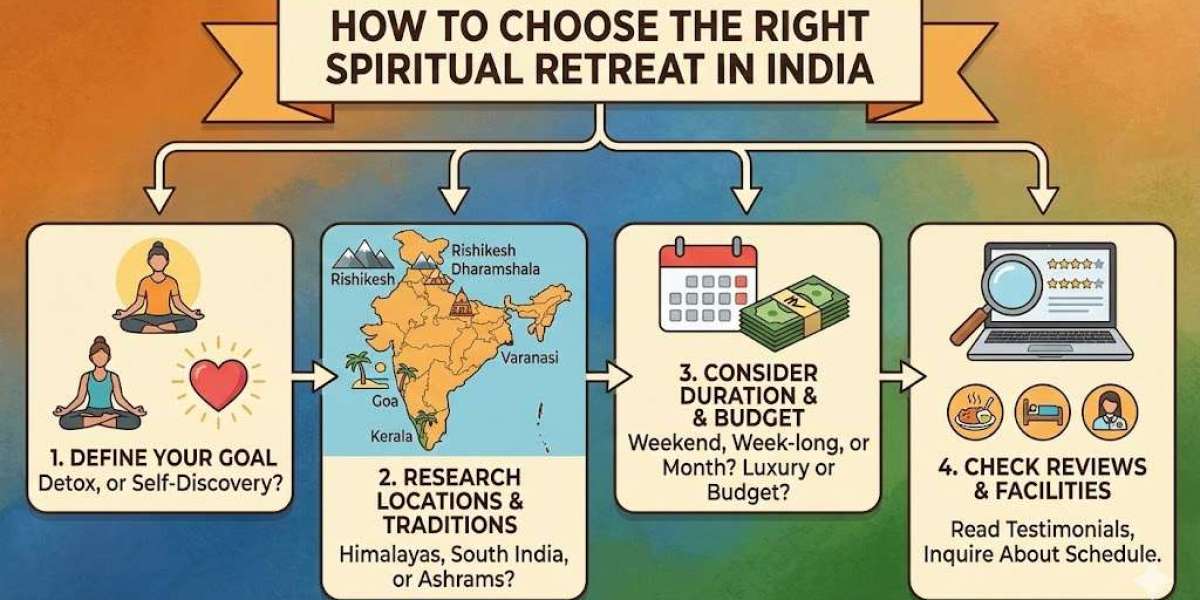

India has long been regarded as the spiritual heart of the world. From the Himalayas to the southern ashrams, seekers from across the globe travel here in search of inner peace, self-discovery, and healing. With hundreds of options available today, choosing the right spiritual retreat in India can feel overwhelming. Each retreat offers a unique philosophy, practice style, and environment, making it essential to select one that aligns with your personal goals.
This guide will help you choose the right retreat, especially if you are exploring meditation retreats in India for the first time.
1. Identify Your Purpose Clearly
Before selecting a retreat, ask yourself why you want to attend one. Your intention plays a crucial role in narrowing down options.
Common goals include:
Deep meditation and mindfulness practice
Stress relief and mental detox
Spiritual growth or self-inquiry
Yoga and holistic healing
Digital detox and silence
If your main goal is inner stillness and awareness, a meditation-focused spiritual retreat in India may be ideal. If physical well-being and breathwork are equally important, yoga-based retreats may suit you better.
2. Understand Different Types of Spiritual Retreats
India offers a wide variety of retreats, each rooted in different traditions and practices.
a. Meditation Retreats
Meditation retreats in India often focus on Vipassana, mindfulness, Zen, or guided meditation. These retreats emphasize silence, self-observation, and mental clarity.
b. Yoga and Wellness Retreats
These retreats combine yoga, meditation, Ayurveda, and healthy living. They are ideal for those seeking balance between body, mind, and soul.
c. Ashram-Based Spiritual Retreats
Ashrams follow traditional spiritual discipline, daily routines, chanting, and teachings from Indian philosophies. They often provide a deeply immersive experience.
d. Silent and Mindfulness Retreats
Perfect for introspection, these retreats restrict external communication and help participants reconnect inwardly.
Understanding these formats will help you choose the right spiritual retreat in India based on your comfort level and expectations.
3. Choose the Right Location
India's diverse geography offers a range of spiritual environments, and the location significantly impacts your retreat experience.
Himalayas (Rishikesh, Dharamshala): Ideal for meditation, silence, and spiritual learning
South India (Kerala, Tamil Nadu): Known for Ayurveda, yoga, and serene ashrams
Goa: Combines spirituality with nature and a relaxed atmosphere
Central & North India: Home to ancient temples and traditional meditation retreats
For meditation retreats in India, quieter, nature-rich locations often offer deeper focus and fewer distractions.
4. Check the Retreat's Authenticity and Lineage
With the growing popularity of wellness tourism, not all retreats offer genuine spiritual depth. Research the retreat's background carefully.
Look for:
Experienced teachers or spiritual guides
Clear philosophy and teaching lineage
Transparent daily schedules and practices
Real participant reviews and testimonials
An authentic spiritual retreat in India will focus on inner transformation rather than luxury alone.
5. Consider Duration and Commitment Level
Retreats range from weekend programs to month-long immersions.
Short retreats (3–7 days): Suitable for beginners or busy schedules
Medium retreats (10–14 days): Allow more profound meditation and habit formation
Long retreats (21–30 days or more): Best for serious spiritual seekers
Meditation retreats in India, especially silent or Vipassana retreats, often require a minimum commitment to experience their benefits entirely.
6. Review Accommodation and Lifestyle
Spiritual retreats vary widely in terms of comfort. Some offer basic ashram-style living, while others provide modern amenities.
Ask yourself:
Are you comfortable with simple living and shared spaces?
Do you prefer private rooms and structured meals?
Is vegetarian or sattvic food mandatory?
Choosing a retreat that aligns with your comfort level will help you stay focused on your spiritual journey rather than physical discomfort.
7. Evaluate Costs and Inclusions
Costs for a spiritual retreat in India can range from donation-based programs to premium retreats.
Check what's included:
Accommodation and meals
Daily meditation or yoga sessions
Workshops or spiritual talks
Airport transfers or excursions
Some meditation retreats in India operate on a donation basis, emphasizing accessibility and simplicity over profit.
8. Assess Your Readiness Mentally and Physically
Spiritual retreats, especially meditation-intensive ones, can be emotionally and mentally challenging.
Prepare yourself for:
Silence and self-reflection
Reduced external stimulation
Structured routines and discipline
If you're new, choose a beginner-friendly meditation retreat in India that offers guidance and gradual progression.
9. Read Reviews and Speak to Past Participants
First-hand experiences provide valuable insights that brochures cannot. Look for:
Honest online reviews
Testimonials on the retreat's website
Recommendations from yoga or meditation communities
This step helps ensure your chosen spiritual retreat in India aligns with what it promises.
Conclusion
Choosing the right spiritual retreat in India is a profoundly personal decision. By understanding your intention, researching retreat styles, evaluating authenticity, and selecting the right environment, you can ensure a meaningful and transformative experience.
Whether you are drawn to silent meditation retreats in India or holistic spiritual programs, the right retreat can help you reconnect with yourself, find inner peace, and return to daily life with clarity and purpose.
A thoughtfully chosen spiritual retreat is not just a getaway—it is an investment in your inner well-being.