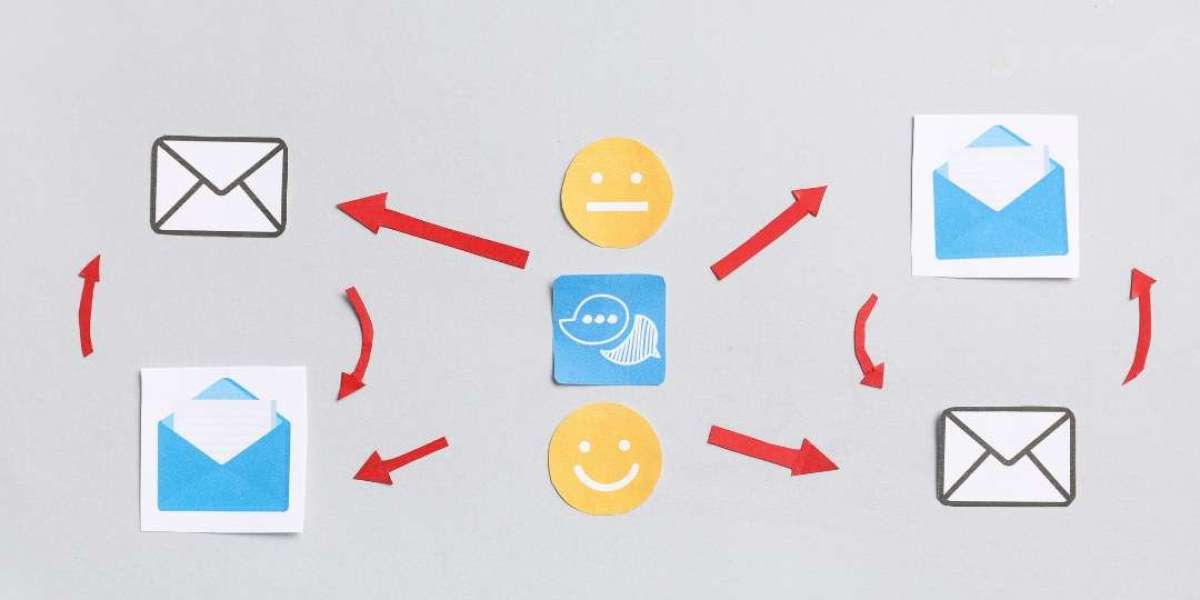

Why Reducing Email Bounces Is Critical
High email bounce rates can hurt the success of your marketing campaigns. When emails fail to reach recipients, engagement decreases, and your sender reputation may be negatively affected. One of the most effective ways to reduce email bounce rates is to adopt proactive strategies that ensure messages reach valid and active addresses. Addressing bounces early helps maintain deliverability and boosts overall campaign performance.
Understanding Hard and Soft Bounces
Email bounces are categorized as hard or soft. Hard bounces occur when an address is permanently invalid, such as a deactivated account or incorrect domain. Soft bounces happen due to temporary issues, including full inboxes, server problems, or message size limitations. Knowing the difference allows marketers to decide whether to retry or remove addresses to maintain a healthy list.
Maintaining a High-Quality Email List
A clean email list is vital for reducing bounce rates. Remove inactive, invalid, or duplicate addresses regularly. Segmenting your list by engagement or interest ensures messages reach the right recipients. Using double opt-in confirmation during subscription guarantees only engaged, valid users are added, minimizing bounce risks.
Using Email Verification Services
Email verification tools prevent bounces by checking addresses before sending campaigns. They detect invalid, disposable, or temporary emails, keeping your list clean and reliable. Verification improves deliverability, engagement, and sender reputation, making it an essential step for every email marketing strategy.
Segmenting Your Audience for Relevance
Segmentation improves email relevance and reduces bounce risk. Group contacts by behavior, demographics, or purchase history to deliver targeted campaigns. Engaged recipients are less likely to bounce. Segmentation also allows for re-engagement campaigns that revive inactive users or safely remove them from your list.
Creating Engaging and Compliant Content
High-quality email content reduces bounce risk. Avoid broken links, large attachments, poor formatting, and spam-like language. Focus on concise, relevant, and personalized messaging. Responsive design ensures emails display correctly across devices, minimizing the likelihood of bounces.
Maintaining Sender Reputation
A strong sender reputation improves inbox placement. Frequent bounces, complaints, or sending to unengaged recipients can harm credibility. Authentication protocols like SPF, DKIM, and DMARC signal legitimacy to ISPs. Trusted senders experience fewer bounces and maintain better deliverability over time.
Routine List Cleaning Practices
Regularly cleaning your email list removes inactive or problematic addresses. List cleaning prevents unnecessary bounces, improves engagement metrics, and protects sender reputation. Removing non-responsive contacts keeps campaigns focused and effective.
Analyzing Bounce Reports
Bounce reports provide insights into failed deliveries. Soft bounces may be retried, while hard bounces should be removed. Analyzing patterns, such as issues with specific domains, helps refine targeting and optimize content strategies for future campaigns.
Automating Email Campaigns
Automation reduces human error and improves consistency. Tools can manage segmentation, scheduling, and verification automatically. Automated re-engagement campaigns maintain an active subscriber base and help lower bounce rates over time.
Optimizing Sending Frequency and Timing
Sending emails too often can overwhelm recipients, leading to bounces or unsubscribes. Optimizing frequency and timing based on user behavior improves engagement and deliverability. Consistent sending patterns help maintain inbox placement and reduce bounce risk.
Using Feedback Loops
Feedback loops notify marketers about complaints and bounces from email providers. Using this data allows quick removal of problematic addresses and campaign adjustments. Feedback loops are essential for sustaining list health and maintaining low bounce rates.
Testing Campaigns Before Full Launch
Test small segments before large-scale campaigns to identify potential issues. Check formatting, links, attachments, and rendering across different email clients. Deliverability testing ensures higher inbox success and fewer bounces when sending to the full list.
Educating Subscribers
Subscriber education reduces accidental bounces. Encourage users to whitelist your domain, update contact information, and engage regularly. Clear communication about email frequency and content expectations improves engagement and lowers bounce risk.
Choosing the Right Email Service Provider
A reliable ESP provides tools for list management, bounce handling, segmentation, and reporting. Quality providers enhance deliverability, reduce bounce rates, and ensure campaigns reach valid recipients effectively.
Tracking Long-Term Metrics
Monitoring bounce rates, engagement metrics, and subscriber trends provides actionable insights. Historical data helps refine campaigns, maintain list hygiene, and ensure continued high deliverability. Long-term tracking ensures campaigns reach the right recipients consistently.
Conclusion Paragraph (Integrated Naturally)
Reducing email bounce rates requires consistent attention to list quality, content relevance, and deliverability strategies. Verification, segmentation, and automation are essential. By educating subscribers, monitoring feedback, and using trusted tools, marketers can minimize bounces, protect sender reputation, and achieve effective, sustainable email marketing campaigns.
LeadSkope is a comprehensive, AI‑powered lead-generation platform designed to help businesses grow by capturing, enriching, and engaging with high-quality prospects. With a suite of powerful tools, LeadSkope empowers sales and marketing teams to scale their outreach and drive conversions efficiently.